How American McGee Used 'Dildo Snails' to Shut Down EA's 'Sexy Alice' Pitch
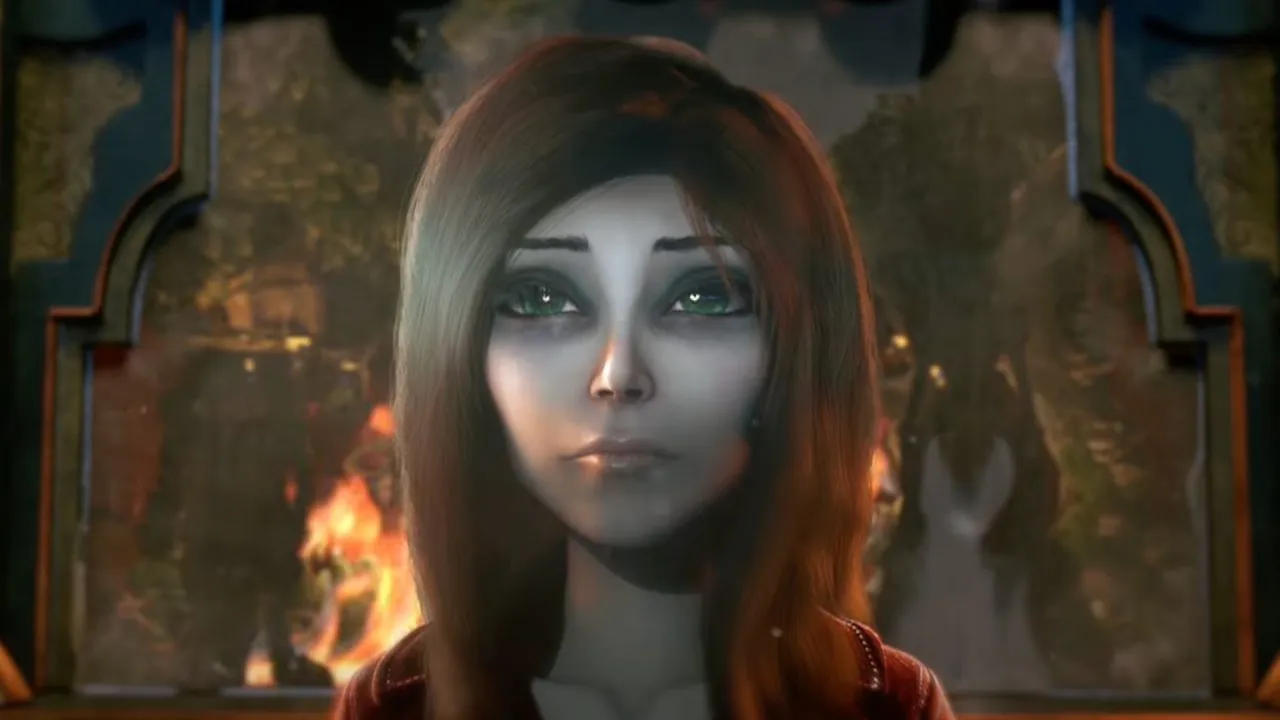
American McGee has shared a behind-the-scenes tale from the making of Alice: Madness Returns that’s equal parts hilarious and revealing: when marketing pressure mounted to make Alice bloodier and “sexier,” he answered with a deliberately absurd concept involving “dildo snails,” a tongue-in-cheek escalation that instantly shut the request down. It’s a punchline with a purpose, showing how a strong creative boundary can protect a character’s identity, and how easily games can lose the plot when marketing and development pull in different directions.
Let’s set the stage. Alice: Madness Returns lives in the liminal space between nightmare and fantasy. It’s about trauma, identity, and the fragile power of imagination. The game’s best moments aren’t defined by buckets of blood or shock-for-shock’s-sake set pieces; they’re built on crooked storybook vistas, unsettling soundscapes, and an ever-present sense of dread. Alice’s outfits are theatrical and strange, more about theme than allure. The design language often leans whimsical, grotesque, and melancholic, not titillating.
But at the time, the publisher’s marketers reportedly wanted something different. As McGee has described, there was pressure for a more explicit, blood-soaked tone, along with nudges to punch up Alice’s “sex appeal.” It’s the kind of ask that can sound harmless in a meeting room yet smash headlong into the narrative’s moral core. Madness Returns is, among other things, a story where Alice contends with abuse and exploitation. Turning her into a poster child for edgy gore or suggestive visuals undermines the point of her journey.
Enter the infamous snails. Rather than argue in circles, McGee took the request to a satirical extreme. If sexier is what they wanted, he would show them exactly why that path didn’t fit, via a piece of concept work so cheekily over-the-top that it highlighted the absurdity of the whole idea. The result did its job. The “sexy Alice” push evaporated, and the team moved forward with the mood and message they believed in.
It’s a funny anecdote, but it’s also a case study in creative leadership. Three takeaways jump out:
- Protect your pillars early. If a studio defines tone, themes, and red lines at the outset, it’s much easier to hold that line when late-stage ideas threaten to derail the vision.
- Satire can be a scalpel. Sometimes a well-aimed, humorous exaggeration communicates the cost of a bad idea faster than a slide deck ever could.
- The audience knows when you flinch. Players can sense when a character is being bent out of shape to serve a trend. Cohesion is the quiet magic that turns a cool level into a lasting memory.
If you remember the early promotional teasers for Madness Returns, you might recall a very different vibe from the final game, glossy hair flips, tidy aprons, graphic splashes of red. Those clips looked slick, but the released game chose intimacy over spectacle. Fear lives in the creak of a floorboard, the distant mutter of a voice that might be imagined, and the way an environment suggests rot without having to wallow in it. That restraint made the moments of genuine horror hit even harder.
The pressure to “sex up” a character is hardly unique to Alice. It’s an old reflex in entertainment: when in doubt, sharpen the edge and shorten the skirt. But it’s worth asking what you lose when you go that route. With Alice, the stakes were higher than a costume tweak. She’s a survivor navigating a hostile world, making her into a bombastic femme fatale muddies the empathy the narrative asks of the player. In short: if everything is spectacle, nothing is sincere.
From a marketing perspective, misalignment usually starts with good intentions. Teams want clear hooks and bold imagery that test well in a thirty-second clip. The trick is finding a hook that flows from the work’s soul. Madness Returns already had one: a dark fairytale of self-reclamation staged as a tour through a shattered Wonderland. The Caterpillar dress. The glinting knives. The toybox turned menacing. That’s plenty iconic without turning Alice into a pin-up.
So what do we learn, practically, for studios navigating this dance between art and advertising?
- Build a shared language. Moodboards, sample cuts, and “never-ever” boards created by dev and marketing together reduce later friction.
- Ship with tone guardians. Empower a few people to veto anything, internal or external, that breaks character integrity.
- Prototype your promo. Cut early trailers from work-in-progress assets that actually reflect gameplay, not concept fantasies. Let the game teach your campaign what it wants to be.
- Celebrate constraint. If a pitch only works when you add gore or cheesecake, it may not be a strong pitch.
It’s also worth noting that McGee has spent years advocating for Alice as a character rather than a commodity. That protective stance resonated with a fanbase that came to the series for its empathy and edge, not just its blades and blood. When he later explored directions for a follow-up and even mused about spiritual successors, the appeal wasn’t “more shock,” it was “more honesty to this world and what it means.”
There’s a broader industry story here, too. We’re in a time when players devour dev diaries, peek behind curtains on social media, and celebrate studios that say “no” when a note feels wrong. The result is a healthier discourse about creative control. Marketers aren’t the villains; great marketing elevates a vision. But the vision has to come first. And sometimes, to protect it, you need a ridiculous, memorable example that makes everyone laugh, and then think.
The legacy of the “dildo snails” moment isn’t a crude joke; it’s a reminder that boundaries can be set with humor and resolve. Alice: Madness Returns shipped with a tone that felt truer to its heroine. The art direction favored the uncanny over the suggestive, the unsettling over the sensational. Players noticed. They always do.
In the end, that’s what makes this story so oddly uplifting. A creative team stared down a trend-chasing temptation and chose character over caricature. The lesson outlived the meeting, outlived the campaign, and turned into a bit of gaming folklore we still talk about, because it says something we all know to be true: a strong identity beats a cheap thrill every time.
What about you? Do you remember the first time Madness Returns’ art direction clicked for you, the level, outfit, or enemy design that sold you on its mood? And have you spotted other games where marketing and the finished experience felt miles apart? Sound off, and let’s trade some tales from the looking glass.