Sonic Producer: Indie Devs Teach AAA Studios How to Survive
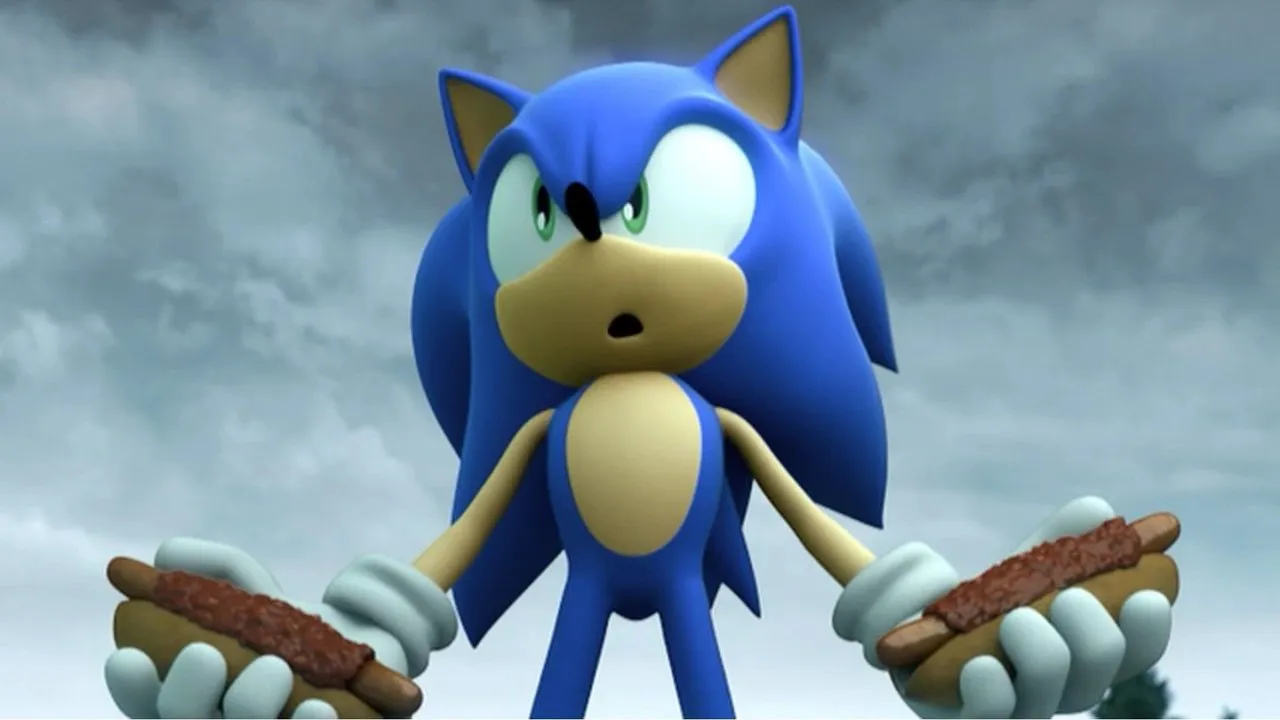
Takashi Iizuka’s latest comments tap into a growing truth across the games business: while AAA studios still dominate headlines with massive budgets and blockbuster launches, indie developers are often showing the industry how to move faster, take smarter creative risks, and survive in a market that gets more expensive every year. His perspective, especially coming from a longtime Sonic producer, highlights why partnerships between major publishers and smaller teams are becoming more common and why that trend could shape the future of game development.
For a lot of players, the idea makes immediate sense. Big-budget games are larger than ever, but they are also slower, riskier, and far more expensive to produce. A single AAA release can take years of development, absorb enormous staff resources, and carry sales expectations that would make anyone nervous. If the game lands, it can be a massive win. If it stumbles, the fallout can be brutal.
That pressure is exactly what makes Iizuka’s point so interesting. He’s essentially saying what many fans and developers have been noticing for years: indie studios are often better positioned to turn fresh ideas into real, playable experiences at speed. They can experiment without every decision needing to justify a giant budget. They can try unusual concepts, pivot when needed, and release games that feel energetic and original.
In the case of Sonic, that mindset feels especially relevant. Sonic has always been a franchise built on momentum, style, and immediacy. So seeing Sega collaborate with indie talent on projects like Sonic Pico Park feels like more than a novelty. It feels like a natural fit. Smaller teams often bring a focused design philosophy, and that can be a huge advantage when working with a series that thrives on strong mechanics and sharp identity.
This also fits a much bigger trend across the industry. Major publishers are increasingly willing to hand beloved properties to smaller developers, especially when those teams have a proven creative voice. That kind of collaboration can produce games that feel less weighed down by committee-driven design and more in tune with what players actually enjoy. Instead of trying to make every project an all-encompassing, ultra-expensive forever game, companies can explore side projects, spin-offs, and genre experiments with less risk.
And honestly, that sounds healthy.
Players have been feeling AAA fatigue for a while now. Huge games can be incredible, but they can also feel bloated, overly safe, or too polished to the point of losing personality. Indies, on the other hand, often succeed because they know exactly what they want to be. They don’t need to appeal to everyone. They just need a strong hook, smart execution, and enough charm to stand out.
That “smaller team energy” Iizuka talks about is something gamers can feel when they pick up a good indie title. It’s not just about budget. It’s about intent. There’s often a clarity to indie games that makes them memorable. Whether it’s a puzzle game, a horror experiment, a retro platformer, or a co-op chaos machine, the best indie releases have a confidence that comes from not trying to be everything at once.
What makes Iizuka’s comments even more compelling is his comparison to the movie industry. Big entertainment companies across media are dealing with the same core issue: giant investments are no longer guaranteed to create giant success. Sometimes a smaller, weirder, more creative project breaks through and captures the audience in a way a heavily marketed blockbuster can’t. That parallel feels very real in gaming right now.
We’ve seen countless examples where a modest project builds a passionate community, dominates online conversation, and ends up having more cultural impact than a much more expensive release. Players respond to games that feel alive, surprising, and fun. Budget helps, sure, but it doesn’t replace ideas.
For AAA publishers, that creates an awkward but necessary challenge. They still need major tentpole games. Those massive flagship releases are not going away. But if every project is treated like a billion-ring gamble, the creative and financial strain becomes unsustainable. Learning from indies doesn’t mean abandoning scale. It means understanding efficiency, flexibility, and the value of focused creativity.
That’s why these collaborations matter. They are not just side stories or quirky experiments. They may be part of a survival strategy for the modern industry. Working with smaller teams lets publishers test ideas without betting the whole castle. It helps franchises stay fresh. It opens the door for new design approaches. And maybe most importantly, it reminds major companies that speed, imagination, and personality still matter.
For Sonic fans, this could be especially exciting. The franchise has room to stretch in weird and playful directions, and indie partnerships might be one of the best ways to make that happen. Not every Sonic release needs to be a giant mainline event. Sometimes a smaller project with a clever concept can generate just as much enthusiasm.
At the end of the day, Iizuka’s comments don’t read like a criticism of AAA so much as a reality check. Big studios are under intense pressure, and the old model of spending more and more money for bigger and bigger hits looks shakier than ever. Meanwhile, indie developers keep proving that smart ideas, quick execution, and creative confidence can still win big.
That lesson is one the entire industry should probably take seriously. In a market where survival depends on connecting with players, being fast, inventive, and focused might matter more than being massive.