Sandfall's Debut RPG Clair Obscur Scores 12 BAFTA 2026 Nominations
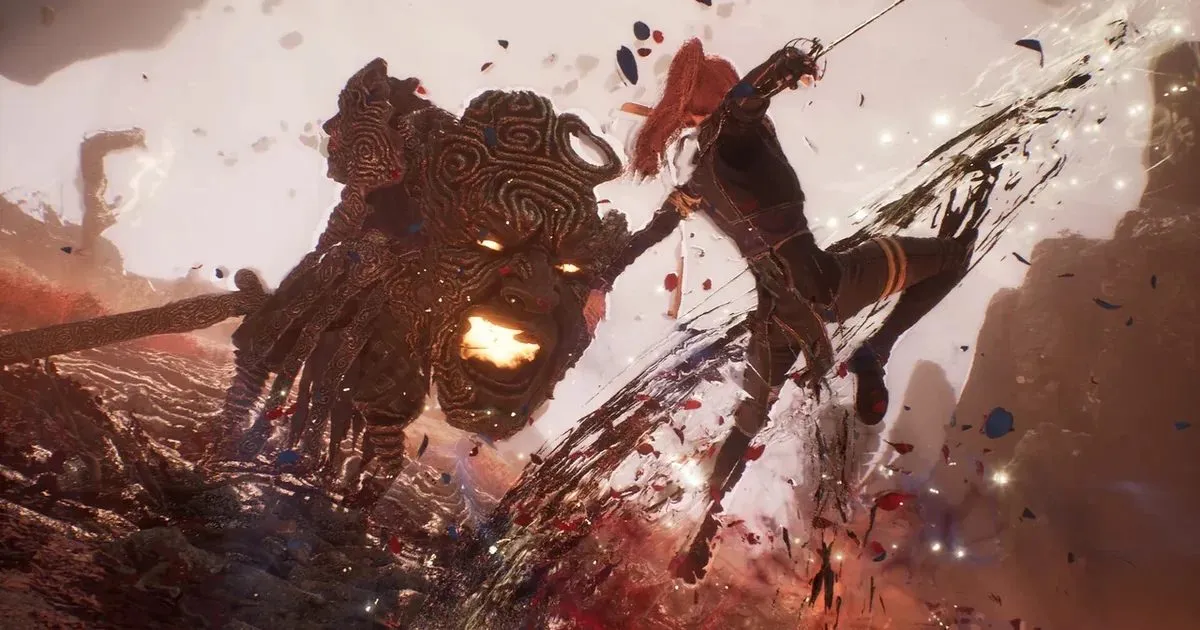
Sandfall Interactive’s first-ever release, Clair Obscur: Expedition 33, has stormed the 2026 BAFTA Games nominations with 12 nods, including Best Game and both performance categories, placing it squarely at the center of this year’s awards conversation. Episodic standout Dispatch followed with nine nominations, while Sucker Punch Productions’ Ghost of Yōtei secured a Best Game nomination among an impressive spread across technical and artistic fields. With 17 first-time studios recognized this year, the shortlist paints a picture of a shifting industry where bold ideas and fresh teams share the spotlight with established names.
It’s not every year that a debut RPG crashes the BAFTAs with this kind of force. Clair Obscur: Expedition 33 being named across narrative, game design, artistic achievement, audio, and both performance categories signals something more than just a well-produced role-playing game, it suggests a cohesive vision that resonates from script to soundscape. Performers Ben Starr and Jennifer English earned recognition in leading roles, while Charlie Cox and Kirsty Rider received supporting nominations, underlining the game’s character-driven core. When a newcomer arrives with this level of craft across so many disciplines, you can usually credit strong creative leadership and a team that knows exactly what story they’re trying to tell.
The Best Game race is shaping up to be a tight three-way duel. On one side you’ve got Clair Obscur, a debut with unmistakable momentum. On another, Dispatch, an episodic experience that clearly struck a chord across categories like music and debut game, showing how cleverly paced storytelling and format experimentation can still turn heads. Then there’s Ghost of Yōtei, a polished contender with nominations that span technical achievement, music, and animation, plus a leading-role nod for Erika Ishii, a sign that the game’s emotional beats and performance capture are anything but afterthoughts. Any one of these titles could win Best Game without raising an eyebrow, and that makes the ceremony all the more compelling.
The breadth of Clair Obscur’s nominations hints at the RPG’s balanced strengths. Narrative nods suggest deft worldbuilding and character arcs that go beyond tropey quests. Game design recognition usually means there’s an elegant loop under the hood, perhaps meaningful choices, considered pacing, or combat that feels as intentional as it does impactful. Artistic and audio picks point to a distinct atmosphere, the kind you can identify from a single screenshot or a few bars of music. Whether the team leaned into painterly palettes, striking silhouettes, or orchestral motifs, the cross-category spread implies an identity that’s impossible to miss.
Performance categories deserve a special shout-out this year. The presence of multiple leading and supporting nominations across these games underlines how central acting has become to modern game storytelling. We’re long past the days when VO was a bonus, now it’s often the beating heart of a narrative experience. Strong performances don’t just sell cutscenes; they anchor moral choices, reframe gameplay stakes, and give voice to the player’s own anxieties and hopes. If you’ve ever hesitated at a dialog wheel because the delivery made you feel something, you already understand why these categories matter.
Zooming out, the stat that quietly steals the show is the number of first-time studios among the nominees: 17 out of 42. That’s a signal flare for where the medium is headed. New pipelines and tools are lowering barriers, but it still takes vision to stand out. Seeing studios like Sandfall Interactive shoulder-to-shoulder with household names reflects a reality players already feel: innovation is coming from everywhere. The industry is rebalancing, fewer safe bets, more creative risks, and a willingness to push beyond the formula.
So what should players watch for on awards night? A few storylines stand out:
- Best Game could hinge on the voters’ appetite for innovation versus polish. Clair Obscur brings the “lightning in a bottle” energy that debuts sometimes capture; Dispatch has narrative momentum and format daring; Ghost of Yōtei offers the complete-package execution across craft disciplines.
- The performance categories look fiercely competitive. If you’re a fan of narrative-forward games, keep an ear out for acceptance speeches that talk about collaboration between actors, directors, animators, and audio teams, these awards celebrate a team sport.
- Artistic and audio achievements are likely to be bellwethers. When a game wins in those areas and pairs them with design or narrative noms, it often foreshadows a strong Best Game case.
Predictions? It’s hard to call without seeing the final ballots, but the shape of the nominations hints at a split: Clair Obscur feels poised to collect at least one of the “big three” (Best Game, Narrative, or Game Design) and to land something in performance or art. Dispatch reads as a strong candidate for debut and music, possibly stealing a narrative or performance surprise. Ghost of Yōtei looks particularly dangerous in technical achievement and animation, with a very real shot at Best Game depending on how cohesive voters feel its overall package is.
However it shakes out, the 2026 BAFTA Games nominations are a testament to craft meeting courage. Players gravitate to experiences that feel both authored and alive, and this slate suggests we’re getting plenty of both. Between a debut RPG punching above its weight, an episodic thriller redefining format, and a technical showcase that marries spectacle with soul, there’s a lot to celebrate, and a lot to play if you haven’t already.
Circle April 17, 2026 on your calendar. When the envelopes open in London, we’ll learn whether Clair Obscur’s remarkable nomination run converts into trophies, whether Dispatch pulls off a narrative coup, and whether Ghost of Yōtei’s mastery across the board claims top honors. No matter who wins, the real headline is clear: the medium is thriving, and new voices are leading the charge.