PlayStation Makes Narrative Single-Player Games Exclusive to PS5 Again
PlayStation appears to be tightening its strategy around blockbuster narrative games, with reports indicating that major single-player titles will once again be treated as true PS5 exclusives, at least for the foreseeable future. For players on PC, that means the recent era of faster cross-platform releases may be cooling off, while Sony seems to be doubling down on the idea that prestige story-driven adventures are still one of the biggest reasons to buy into its console ecosystem.
If that sounds like a familiar move, that’s because it is. Sony has spent years building its modern identity around polished, cinematic single-player experiences. These are the games that tend to dominate showcases, fuel fan debates, and end up as the centerpiece of the platform’s marketing. Think big budgets, dramatic trailers, emotional character arcs, and the kind of production values that scream premium first-party exclusive.
According to the latest reporting, PlayStation leadership has decided that narrative-driven games from its studios will remain exclusive to PlayStation hardware, while multiplayer and live-service projects may still have a clearer path to PC. In other words, Sony seems to be drawing a line between the kinds of games that sell consoles and the kinds of games that benefit most from reaching the biggest possible audience.
From a business perspective, the logic is not hard to understand. Sony’s single-player releases are often positioned as system sellers. They are not just games, they are branding tools. They tell players what PlayStation is supposed to represent. If a major story-driven title launches on PC too quickly, some decision-makers apparently worry that it weakens the incentive to pick up a PS5 in the first place.
That tension has been at the center of platform strategy for years now. On one side, there’s the traditional console model: keep the biggest exclusives locked to your hardware to drive sales and maintain prestige. On the other, there’s the broader publishing model: put games in as many places as possible and chase a larger overall audience. Sony has experimented with both approaches, especially as PC ports of major first-party games became more common. But this latest shift suggests the company still sees narrative exclusives as too important to give up.
For PC players, this is obviously a frustrating development. The recent trend had started to create real momentum. Seeing more PlayStation titles reach PC helped build the sense that the walls around console ecosystems were getting a little shorter. Even when releases were delayed, there was at least some expectation that many of the big games would eventually make the jump. If that expectation is changing again, it’s going to disappoint a lot of players who were hoping Sony had fully embraced a wider release strategy.
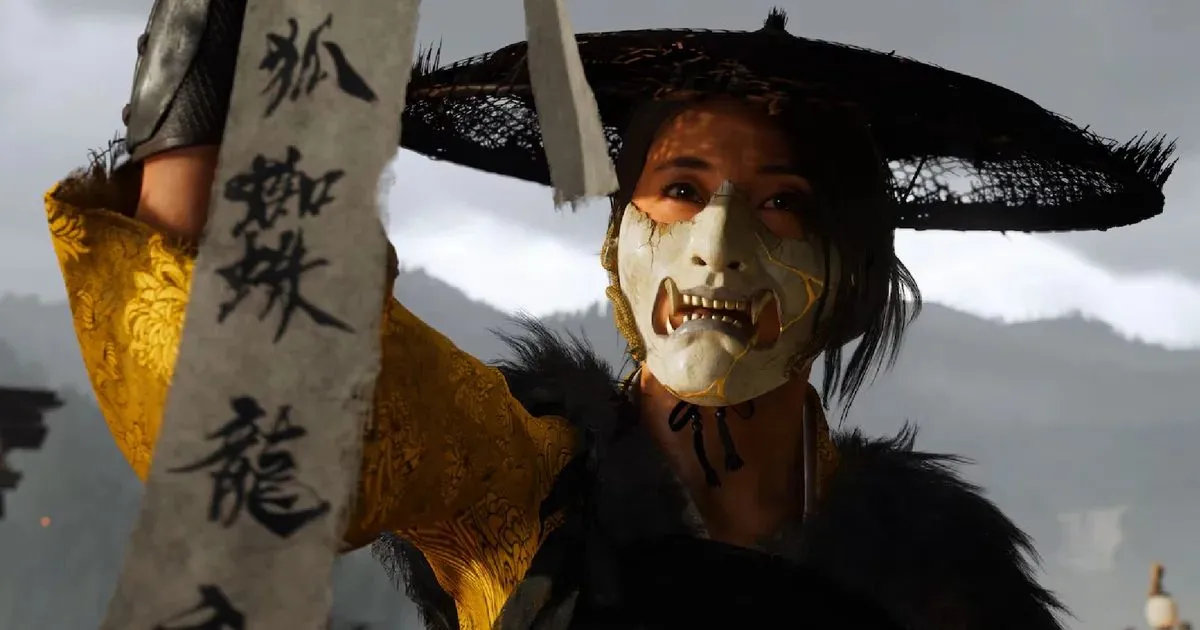
And let’s be honest, it’s not just about access. It’s about anticipation. Part of the excitement around PlayStation’s catalog on PC was the idea that some of the most talked-about single-player games in the industry might no longer be tied so closely to one box under the TV. The possibility of eventually playing titles like Marvel’s Wolverine, Saros, or Ghost of Yōtei on a high-end rig was part of the appeal. If those hopes are now fading, it changes the conversation around upcoming PlayStation projects in a big way.
That said, this move also says a lot about where Sony believes its strengths still lie. Live-service ambitions may come and go, but the company clearly still values the power of a big cinematic adventure to define an entire platform generation. Even with the industry shifting toward subscriptions, ecosystems, and multiplatform releases, Sony appears unwilling to loosen its grip on the genre that helped shape its identity.
There’s also an interesting contrast here with the broader direction of the gaming business. Microsoft has spent the last few years moving toward a more platform-agnostic strategy, bringing more games to more places and making hardware feel less central to the brand. Sony, meanwhile, seems to be taking the opposite lesson from the same market pressures. Rather than broadening access to everything, it is choosing to protect the content it believes matters most.
Whether that pays off will depend on how much players still care about exclusivity in 2025 and beyond. Hardware is expensive, backlogs are endless, and more people than ever are comfortable waiting. A game being exclusive can still create buzz, but it can also create resentment if audiences feel shut out for too long. Sony is betting that the value of making these games feel special outweighs the downside of limiting their reach.
For now, the message seems pretty clear. If you want PlayStation’s biggest narrative adventures at launch, PlayStation wants you on PS5. PC may still get some of Sony’s releases, especially in the multiplayer space, but the era of assuming every major first-party story game will arrive sooner rather than later may be coming to an end.
That will sting for some players, especially those who were enjoying the gradual collapse of old platform barriers. But it also reinforces something the industry never fully left behind: when it comes to prestige single-player games, exclusivity still matters, and Sony is not ready to let go of that weapon just yet.