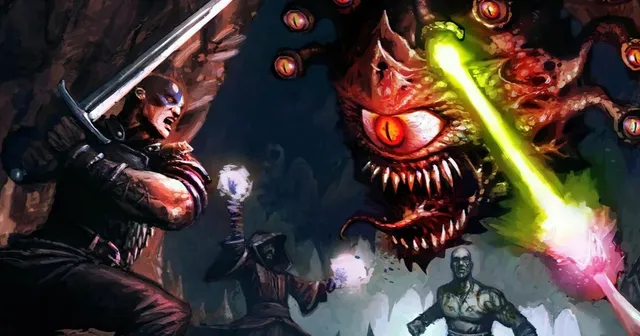
Pool of Radiance: Ruins of Myth Drannor Returns to Steam and GOG
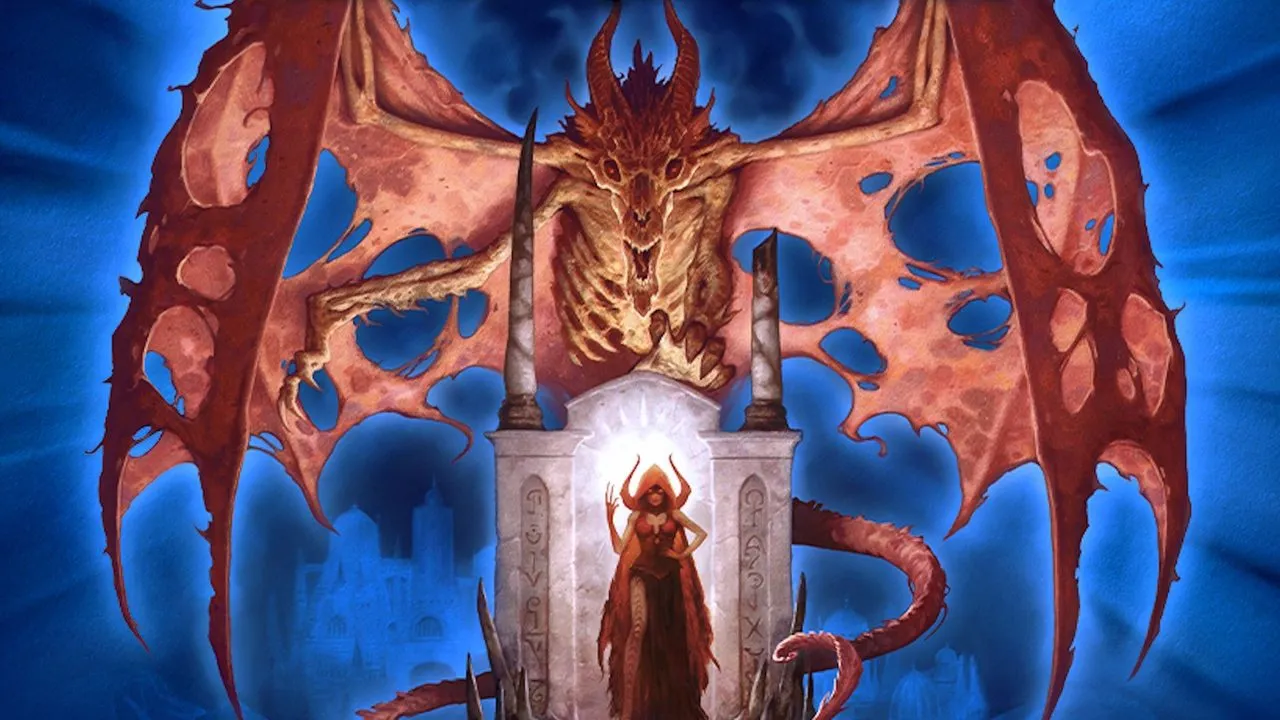
Pool of Radiance: Ruins of Myth Drannor is getting a new shot at life on Steam and GOG, and that alone makes it one of the more fascinating classic RPG stories of the year. This is not a beloved masterpiece making a victory lap, but a flawed Dungeons & Dragons adventure returning to modern storefronts with a chance to be judged on different terms by today’s retro-curious PC audience.
A surprising comeback for a forgotten D&D RPG
Some game re-releases arrive to thunderous applause. Others show up with a more confused reaction: wait, that game? Pool of Radiance: Ruins of Myth Drannor definitely falls into the second category, and honestly, that is part of what makes this news so interesting.
Originally released in 2001, the game landed during a golden moment for computer RPG fans. Isometric fantasy adventures were thriving, and anything carrying the Dungeons & Dragons name had a decent chance of drawing attention. On paper, Ruins of Myth Drannor looked like it had the right ingredients. It had the Forgotten Realms setting, a recognizable title, and the promise of party-based adventuring through one of the most iconic ruins in D&D lore.
But when players finally got their hands on it, the result was far less magical than many had hoped.
Why the original release struggled
Ruins of Myth Drannor never built the kind of reputation that keeps a game alive in glowing recommendation threads twenty years later. Instead, it became one of those titles people remember with a shrug, a wince, or a very specific story about bugs, crashes, and disappointment.
A big part of the problem was timing. In the early 2000s, RPG fans were comparing every fantasy adventure to giants of the genre. Games with rich companions, memorable writing, and intricate quest design were setting a very high bar. Against that backdrop, Ruins of Myth Drannor felt thin. It leaned heavily into combat, but lacked the depth, polish, and roleplaying spark players had come to expect from the best D&D games of the era.
That does not mean it had no ideas of its own. It just means those ideas got buried under technical issues and an overall sense that the game was chasing a trend instead of defining itself. For many players, it became less of a hidden gem and more of a cautionary relic from a time when the RPG boom produced as many misses as hits.
Why this re-release matters anyway
And yet, here we are, talking about it again.
That is the beauty of modern PC storefronts. Steam and GOG have created space for games that were once boxed up, forgotten, or trapped on aging hardware. A re-release is not just about convenience. It is also about context. A game that seemed mediocre in 2001 can become genuinely intriguing in 2026 because players are no longer measuring it against the exact same competition or expectations.
That is especially true for a niche audience that loves old-school experimentation, rough edges and all. There is a real appetite now for revisiting forgotten RPGs, not only to celebrate the classics, but also to examine the strange side roads the genre took along the way. Ruins of Myth Drannor might not suddenly become a masterpiece, but it could absolutely become a compelling historical curiosity, and sometimes that is enough.
The big question: what will be improved?
The most important detail, of course, is what this updated release actually changes.
Getting an old PC game to run smoothly on modern systems is the bare minimum, but it is still vital. If this version launches with better stability, improved compatibility, and fewer technical headaches, that alone could make a huge difference. A lot of older games were judged harshly not just because of design flaws, but because they were simply painful to run.
What remains to be seen is whether this re-release goes beyond compatibility. Will there be quality-of-life updates? Interface improvements? Better support for modern resolutions? Even a few smart tweaks could help players engage with the game on its own terms instead of fighting with twenty-year-old friction.
For a title like this, presentation matters. If the rerelease is handled carefully, it could become a much more approachable way to explore an unusual chapter of D&D gaming history.
A better fit for today’s audience?
There is also a strong chance that Ruins of Myth Drannor simply has a better audience now than it did at launch.
Back then, many players wanted the next genre-defining fantasy epic. Today, retro RPG fans are often happy to dig into oddball, uneven, and experimental games just to see what they were trying to do. There is more patience now for imperfect systems, dungeon-heavy design, and ambitious projects that never quite reached their potential.
That does not guarantee a glowing reevaluation. Some old games return only to confirm exactly why they were forgotten. But even that can be valuable. There is a difference between a bad game that offers nothing and a flawed game that reveals something interesting about its era. Ruins of Myth Drannor feels like it could easily land in the second category.
SNEG’s growing role in preserving PC history
This release also says something bigger about the current state of PC game preservation. Publishers like SNEG have been steadily bringing older titles back into circulation, giving them a second life for longtime fans and curious newcomers. That work matters, especially for games that are unlikely to get flashy remasters or mainstream attention.
Not every rerelease needs to be a prestige event. Sometimes the real win is simply making a game available again. Old strategy games, obscure horror experiments, forgotten RPGs, and strange action titles all deserve a place in the modern PC library, even if only a smaller crowd will appreciate them.
That wider preservation effort gives this Pool of Radiance comeback extra weight. It is not just one game returning. It is another piece of PC gaming’s weird and wonderful past becoming accessible again.
Final thoughts
Pool of Radiance: Ruins of Myth Drannor coming to Steam and GOG is the kind of announcement that sparks curiosity more than celebration, and that is perfectly fine. Not every comeback needs to be triumphant. Some are exciting because they offer a second look at something messy, ambitious, and historically overlooked.
For D&D fans, classic RPG hunters, and players who love digging through the genre’s forgotten corners, this rerelease could be worth watching closely. Maybe it will still feel clunky and underwhelming. Maybe it will reveal a few strengths that were easy to miss the first time around. Either way, its return is a reminder that gaming history is not just built on masterpieces. It is also built on fascinating misfires, and those deserve another roll of the dice too.