Matt Firor Says Gaming Boom-Bust Is Cyclical, Not Crisis Endgame
Matt Firor’s latest comments on the state of the games industry offer a mix of reassurance and realism: yes, layoffs and cancellations are painful, but he believes the industry is stuck in a familiar boom-and-bust cycle rather than marching toward some final collapse. At the same time, his take highlights a tougher truth for modern developers: even great games can struggle if players never hear about them.
The games industry has spent the last few years in a strange mood. Big-budget projects have been canceled, studios have been downsized, and wave after wave of layoffs has made even successful-looking companies feel unstable. So when a veteran like Matt Firor speaks up and says this is cyclical rather than apocalyptic, it is the kind of statement that gets attention fast.
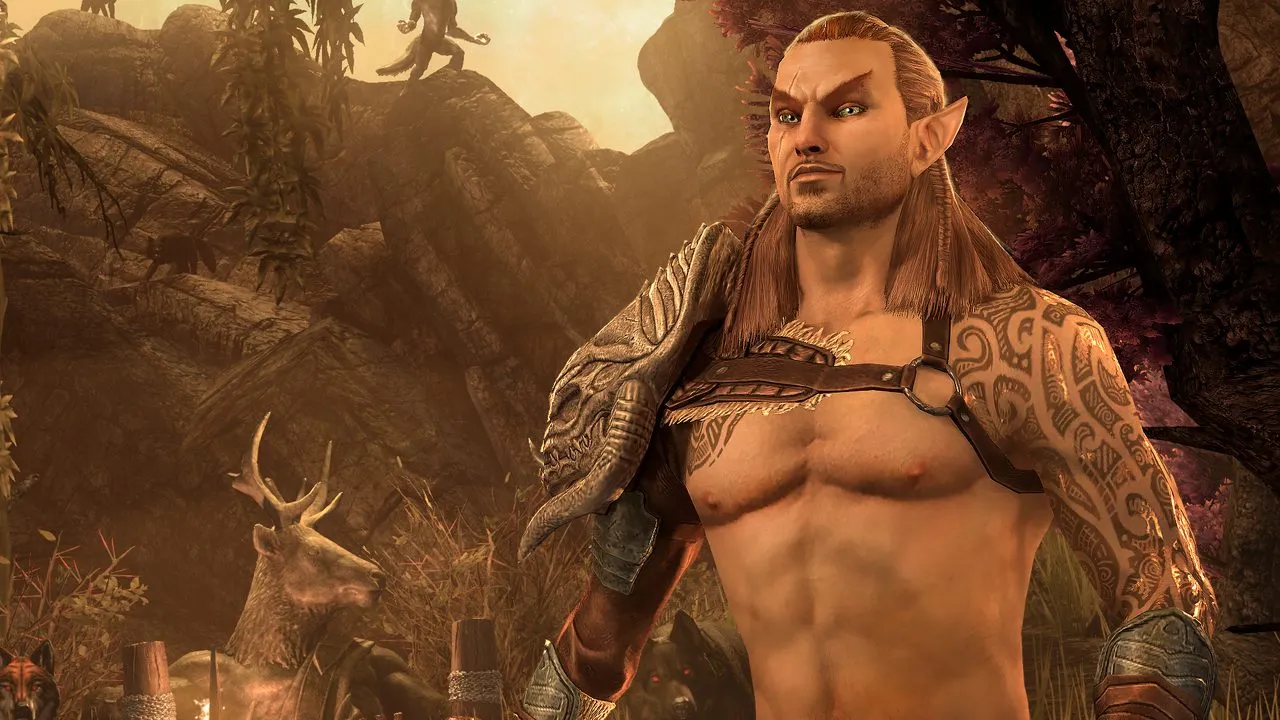
Firor, best known for his long history with online games and MMO development, recently reflected on both the shutdown of ZeniMax Online’s new MMO project and the wider economic anxiety hanging over gaming. His main point was simple: he has seen this kind of panic before.
That perspective matters. MMO veterans, especially the ones who were around in the late 1990s and early 2000s, lived through one of the most aggressively skeptical eras in gaming. Back then, publishers were already asking whether the market had room for another big online game. To hear Firor describe it, the argument sounded familiar even then: there are already enough games, players are already committed elsewhere, and no newcomer can break through.
History, of course, had other plans.
That older skepticism makes Firor’s comparison interesting, because it pushes back against the current idea that gaming has finally hit its hard ceiling. Today’s version of the argument says the hobby is mature, audience growth is slowing, and entertainment competition is fiercer than ever. Games are no longer just fighting each other for time and money. They are competing with streaming platforms, social apps, short-form video, and every other scrollable distraction on a phone screen.
It is not hard to see why that argument feels convincing. Player attention is fragmented. Development costs are enormous. And publishers seem more risk-averse than ever, which creates a brutal contradiction: companies want giant hits, but are increasingly nervous about funding the kinds of risks that can create them.
Firor’s answer is not that these problems are fake. It is that they are not necessarily permanent.
That distinction is important. Calling the current situation cyclical does not magically make layoffs less devastating, and it does not mean every closed studio is just part of some healthy correction. For developers, producers, artists, writers, QA staff, and support teams, the human cost is immediate and personal. “It’s cyclical” can sound comforting from a distance, but much less so if your project just got canceled.
Still, there is something useful in Firor’s refusal to treat the moment like an unbeatable end state. Games have always had a talent for reinventing themselves. Entire genres rise, disappear, and then roar back with a new twist. Business models that look untouchable one year suddenly feel outdated the next. The market absolutely changes, but it rarely freezes in place forever.
Firor was also careful not to drift into easy optimism. When asked whether a truly great new MMO could still succeed, his response was measured rather than triumphant. Quality matters, sure, but quality alone is not enough. Discoverability remains one of the industry’s biggest headaches.
That might be the sharpest part of his whole argument.
Players often talk about gaming as though the best stuff naturally rises to the top, but anyone who spends time on PC storefronts, indie showcases, or niche communities knows that is not how it works. Incredible games can launch into near silence. Smart design, excellent writing, and polished systems mean very little if marketing is weak, timing is bad, or the release window is crowded with louder competitors.
For MMOs especially, that challenge becomes even harsher. These are not games that simply need to be bought once and enjoyed. They need active communities, social momentum, and enough visibility to convince players that the world is worth investing in. A good MMO is not just a product. It is a population problem. If too few players show up at the start, even strong ideas can collapse under their own loneliness.
That makes Firor’s “right game, right features, right crew to get the word out” formula feel brutally accurate. It is less romantic than saying great games always win, but it is probably a lot closer to reality.
For players, the bigger question is what all this means going forward. The good news is that gaming is still too broad, too global, and too creatively restless to run out of interesting ideas. There will keep being new worlds to explore, new genres to obsess over, and weird breakout hits that nobody predicted. That part of the medium still feels durable.
The more uncomfortable question is whether the people making those games can count on stable, dignified careers. That is where the current crisis feels more serious than just another market wobble. A cyclical downturn is one thing. Years of insecurity, shrinking teams, and constant restructuring is another.
So Firor’s comments land somewhere between hope and warning. He is pushing back on the doom-heavy narrative that gaming’s best days are over, and his own career gives that optimism some real weight. But he is also acknowledging that success is never guaranteed, and in today’s market, being good is only part of the battle.
For MMO fans and industry watchers alike, that may be the most honest takeaway. The sky probably is not falling forever. But that does not mean the storm is over.