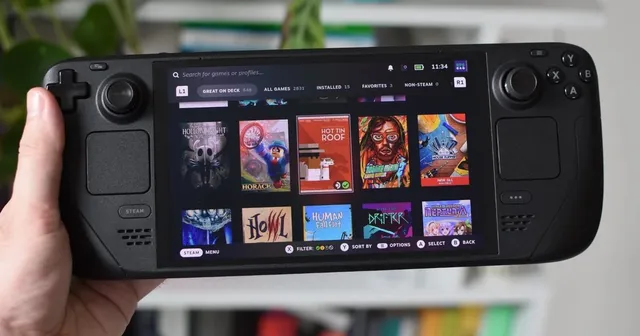
Steam Controller Release Date Leaked: Possible May 4 Launch
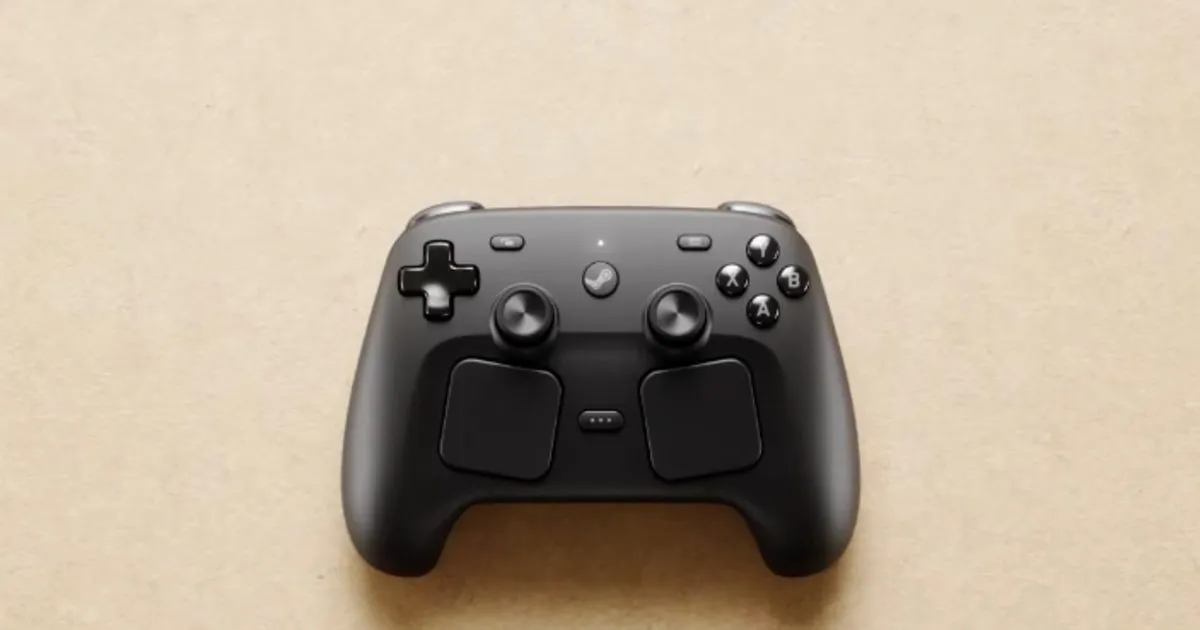
A now-hidden report from a Japanese outlet appears to point to a May 4 launch for Valve’s new Steam Controller, and a flurry of recent breadcrumbs, from a briefly posted unboxing video to public records of large controller shipments, suggest something is indeed brewing. None of it is confirmed by Valve yet, but the clues are stacking up. Here’s what the timing could mean, what we might expect from the pad itself, and how it could slot into Valve’s broader hardware strategy.
What actually happened
- A now-unavailable article from a reputable Japanese gaming site listed May 4 as the controller’s release date. That is not official, but it is the most concrete date we have seen float around.
- Around the same time, watchers noticed a Valve-uploaded unboxing video that briefly appeared and then vanished from public view. Classic pre-launch jitters or scheduling mishap? Either way, it added fuel to the fire.
- Community sleuths also surfaced shipping records pointing to a sizable batch of wireless controllers moving through logistics channels earlier this month.
Individually, these could be coincidences. Together, they paint a picture we have seen many times in hardware rollouts: previews go live, assets quietly slip, pallets move, and then an official announcement lands. If May 4 is the day, it would make sense given the cadence of recent previews and the growing drumbeat of chatter.
Why May 4 makes sense
- The calendar aligns with a typical “preview now, ship soon” playbook.
- Early May is a friendly window before the mid-year crush of game showcases, giving the controller a bit of spotlight.
- It gives Valve time to seed units to creators and gather real-world feedback just ahead of a broader summer marketing cycle.
Of course, “makes sense” is not the same as “confirmed.” Valve can and will shift dates if production, firmware, or certification timelines require it.
What we might expect from the new Steam Controller Valve’s first Steam Controller carved its own path with trackpads, deep customization, and gyro aiming. If this new model is indeed imminent, it likely doubles down on flexibility while smoothing out pain points from the original.
Reasonable expectations and wishes:
- Precision input options: Expect a mix of traditional sticks and trackpads, with refined haptics to simulate texture and resistance on the pads.
- Gyro aiming by default: Gyro has become a favorite for fine adjustments in shooters, especially when paired with stick or trackpad input.
- Back buttons or paddles: Extra assignable inputs are now a staple on enthusiast controllers.
- Strong Steam Input integration: Per-game profiles, action layers, radial menus, and chorded mappings are Valve’s secret sauce. The hardware should feel like an extension of those tools.
- Wireless flexibility: Ideally dual-mode connectivity (for example, low-latency 2.4 GHz dongle plus Bluetooth) to cover PC, Steam Deck, and living room setups. Battery life and sleep behavior will matter a lot here.
- Durability and feel: Hall effect sensors for sticks would be a crowd-pleaser to reduce drift, though we will have to wait for official specs.
Until Valve reveals the full sheet, treat any specific claim as rumor. The safe bet is a controller that keeps Valve’s trademark configurability while pushing comfort and reliability forward.
Where this fits in Valve’s hardware puzzle The controller would be one pillar in a larger living room and PC ecosystem strategy. There is ongoing talk around a so-called Steam Machine style device, a compact, living room-friendly PC with ambitions like 4K output at high frame rates using FSR to help smooth performance. Reports of delays tied to component availability and pricing anxiety in the current market hint at a moving target. Against that backdrop, launching the controller first is smart: it stands alone for desktop and couch play, yet remains a natural companion to any future box Valve ships.
For PC gamers today, the upside is clear. Steam Input has matured into a best-in-class layer for remapping, accessibility tweaks, and per-title configurations. A first-party controller designed around that software could make the whole experience simpler, more discoverable, and more consistent across games.
Who should keep an eye on this
- Couch-first PC players: If your rig lives under a TV or you regularly stream to the living room, low-latency wireless and smart layout options can be game changers.
- Shooter and action fans: Gyro plus stick or trackpad hybrid control can offer a surprising skill ceiling once you dial in a profile.
- Strategy and sim tinkerers: Radial menus, layers, and trackpad mouse emulation can make genres traditionally bound to keyboard and mouse more comfortable on the couch.
- Accessibility-minded players: Steam Input’s remapping depth often lets players tailor controls to their needs in ways standard pads cannot.
What to watch for next
- Store page movement: A public product page, even a placeholder, is usually a harbinger.
- Steam Client updates: Beta branches sometimes hint at new device support, haptics tuning, or pairing flows.
- Certification breadcrumbs: Regulatory databases can reveal model numbers and radio details before launch.
- Creator previews and impressions: Expect a wave of hands-on content within days of any formal unveil.
- Retail SKU sightings: Inventory systems and shelf tags often leak dates and prices ahead of the press release.
Should you wait or buy something else now
- If you are controller-less and need one immediately, the usual suspects from console ecosystems remain excellent and widely supported on PC.
- If you are controller-curious and can hold out a couple of weeks, waiting makes sense. Worst case, you get clarity on features and price; best case, you land a pad purpose-built for Steam’s feature set.
Final thoughts Leaks always come with caveats, but the signs here point in a consistent direction: Valve appears close to flipping the switch on a new Steam Controller, and May 4 is a plausible landing spot. Whether you loved the original’s wild approach or bounced off its quirks, a second swing with today’s advances in haptics, gyro, and input software could be compelling. Keep your expectations measured until Valve speaks, keep an eye on the telltale signals, and maybe, just maybe, keep a little space open on your desk for something new.