IO Interactive Nearly Made 007 First Light an Ensemble Bond Game
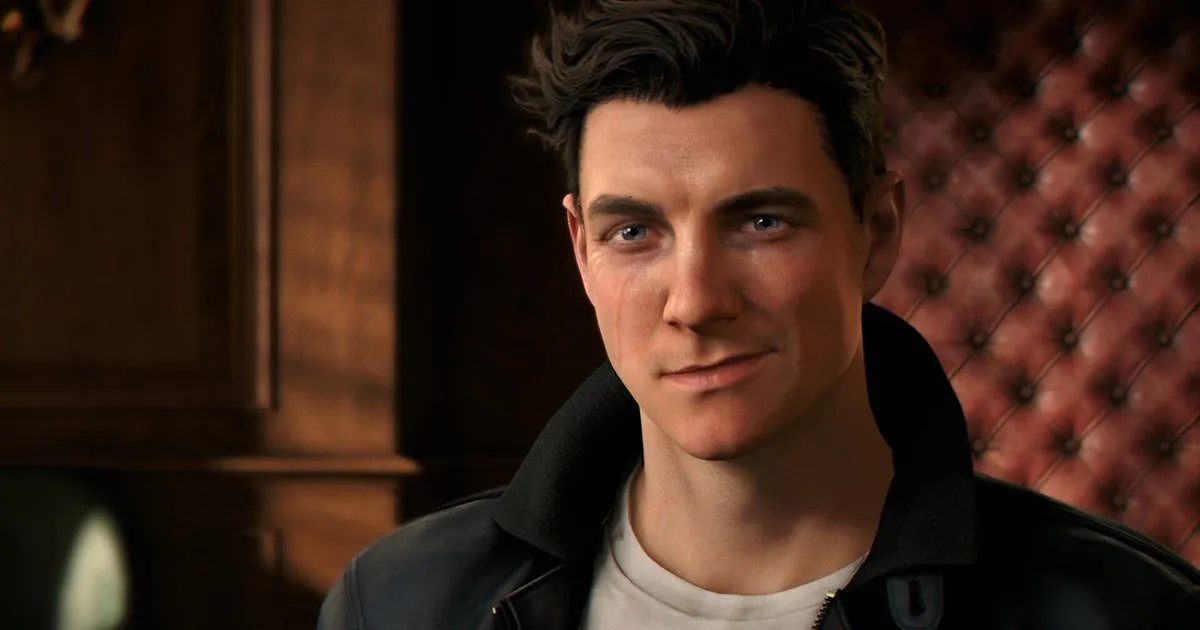
IO Interactive nearly took 007 First Light in a very different direction, with an early version of the story built around multiple double-O agents instead of putting James Bond alone at the center. In comments to Eurogamer, lead writer Michael Vogt described a version of the game that teased a team-focused Bond story before flipping that setup into a harsher, more personal journey for 007.
That twist says a lot about what IO Interactive seems to want from its Bond game. On the surface, the opening training material suggests camaraderie, competition, and a broader spy network where Bond is one talented operative among many. It paints a picture of a game that could have leaned into squad dynamics, overlapping field roles, and maybe even a rotating cast of agents with different specialties.
Instead, the story veers hard in the opposite direction.
Vogt told Eurogamer that the early training sequence was designed as a false promise. The setup makes it look like this will be an ensemble story, with double-O agents operating together during the Slovakia section, only for that expectation to collapse when most of them are killed. Bond survives, and that survival becomes a defining part of the character arc. Rather than rising through pure swagger or effortless skill, this Bond is shaped by shock, loss, and the burden of being the one who walked away.
That is a much more dramatic foundation than a standard secret agent power fantasy, and it helps explain why the team moved away from the ensemble idea. A cast of multiple active double-Os might have been fun, especially in a game from a studio known for systems-driven level design and memorable character interplay. But focusing the narrative around Bond as the last man standing gives the story a sharper emotional spine.
Vogt said the shift turns the game from "fun and games" into something more serious. That change lands after the explosion, when Bond is forced to understand what the job really costs. The warning about short life expectancy stops feeling like clever spy banter and starts sounding like the truth. That moment of realization, paired with what Vogt described as possible survivor's guilt, appears to be a key piece of First Light's version of Bond.
It is an interesting move because Bond stories often thrive on confidence, spectacle, and cool detachment. First Light, at least from these remarks, seems more interested in the point where the mask slips. Bond still gets the training, the action, and the rise to elite status, but the game ties that rise to trauma and maturity. He does not just become the top agent because he is destined for it. He becomes the top agent because everyone else is gone, and he has to live with that.
That kind of narrative framing could give the game a different tone from many Bond adaptations. It also feels like a natural fit for IO Interactive. The studio has built much of its modern reputation on Hitman, a series that balances style with ruthless consequences. Bringing some of that tonal discipline into Bond makes sense, especially if the goal is to tell an origin story that feels earned rather than automatic.
The abandoned ensemble concept is still fascinating to think about. A Bond game centered on several double-O agents could have opened the door to rivalries, branching missions, and a broader look at MI6 field operations. It might even have made Bond feel less mythic and more like part of a machine. But there is a risk there too. Splitting focus across a wider cast can dilute the central fantasy, and with a character as iconic as Bond, that is a dangerous trade.
By pulling back to a single protagonist, IO seems to have found a cleaner route. The supporting agents still matter because their presence creates the expectation of a team, and their deaths give the story its rupture. In that sense, the ensemble idea was not really discarded, it was transformed into the setup for Bond's isolation. The game gets to use the feeling of a larger cast without giving up the singular focus audiences expect.
That also makes the training montage more than just an exciting opening. If players responded well to it, as Vogt suggested, that is probably because it sells a version of the story that feels lively and full of possibility. Then the rug pull hits harder. Good spy fiction lives on reversals, and this sounds like a very Bond-like one, even if it starts from an unusual premise.
There is also something smart about using this event as a rite of passage. Rather than making Bond instantly polished, First Light appears to let him learn through catastrophe. He grows up because the fantasy breaks. For a character who can sometimes feel untouchable, that vulnerability could be one of the game's biggest strengths.
If anything, these comments make First Light more intriguing. The version that nearly existed sounds bold, but the version that survived sounds more focused, more emotionally grounded, and possibly more memorable because of it. Sometimes the best creative decisions come from narrowing the lens, and in this case, Bond may be better off standing alone, even if that was not always the plan.