How Free Lives Took a Risk on Dressmaker and Landed a Sleeper Hit
Published today · view counts update daily
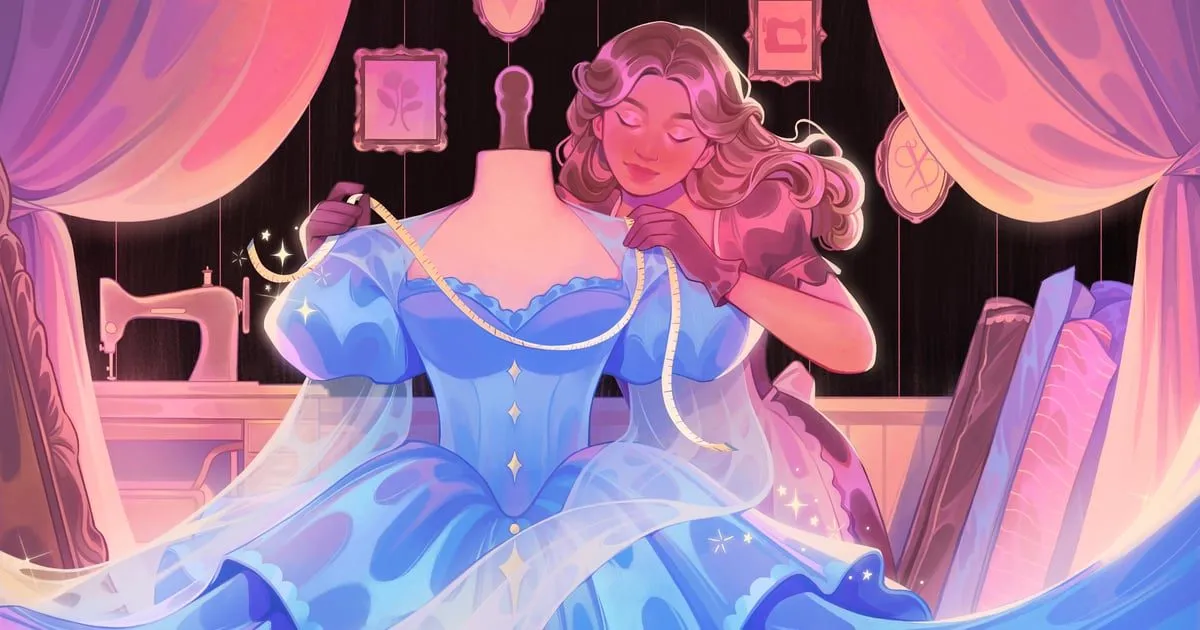
Dressmaker, from Cozy Lives and Free Lives, has become one of the sleeper indie hits of 2026, but early prototype data gave the team little reason for confidence. Programmer and designer Ruan Rothmann says the studio's testing process sent mixed signals, and that the decision to proceed took debate, caution and a limited scope.
The game has collected thousands of "overwhelmingly positive" reviews on Steam and has sparked conversation among developers about audiences the industry may be overlooking. Behind the scenes, though, Free Lives was not sure the game would find players at all.
A process built on prototypes
Free Lives has spent years developing a way to decide which ideas deserve full development. Rothmann says nobody can "reliably intuitively tell" whether a game will be creatively and commercially viable, so the studio adopted a set of heuristics. "We try to be as empirical as possible in our approach," he said.
Every pitch needs a playable prototype, usually hosted on itch.io. The studio then looks at three things:
- Whether the prototype gains traction on the platform, in engagement and downloads.
- Whether it gets a response on social media, through mini-trailers or gameplay clips.
- Whether content creators make videos of it unprompted, especially videos that outperform their usual view counts.
Rothmann acknowledged a downside: if an influencer plays an early prototype two years before release, interest can be hard to "regenerate." He also stressed these are not "hard and fast rules," so subjective judgment remains "inevitable." The stakes explain the caution. "The worst possible outcome in game development is spending years on a game that nobody wants," he said. "Besides the obvious financial implications, even if your studios survives, it's devastating for morale."
Weak signals for Dressmaker
Dressmaker did not clear that bar easily. The first prototype, which came out of an internal game jam, "wasn't quite playable," but it was enough for test posts on Instagram. The reaction justified releasing a free itch.io prototype, which reached 10,000 downloads in its first month.
That is low by Free Lives' standards. Another of its prototypes, Stick it to the Stickman, passed 100,000 downloads. Dressmaker drew no organic content creator interest, and no publishers got in touch. The team had also never made a cozy game, which made the numbers harder to read.
There was a counterpoint, though. Stick it to the Stickman had been downloaded far more often, yet it underperformed after its Steam release. That made the team question whether itch.io was still a reliable predictor of Steam success.
So Free Lives ran another social media push and contacted a few influencers. Instagram and TikTok again showed an audience excited about a dressmaking game, and the studio went ahead under a limited scope.
What the studio took from it
Asked whether the experience taught the team anything, Rothmann was candid. "I don't think we've figured that out just yet!" he said. He did name one lesson: "We now know that you need multiple corroborating signals in order to trust that a project has appeal, and that any one single metric can be quite unreliable." Some prototypes, he added, have gained strong social traction and then failed to convert into downloads or Steam sales.
Free Lives is not trying to turn development into a predictable assembly line. Rothmann said the studio wants to make "culturally relevant, standout hit games," and that "we don't want to simply tread water by breaking even on a project to project basis." That means more risk: he expects the studio's next games to be "likely to again, be so completely different than anything else we've done."
"And the development scene is changing faster than ever before," he added. "So who knows?"