Housemarque Veteran Harry Krueger Talks Cosmic Division, Lean Studio & AI
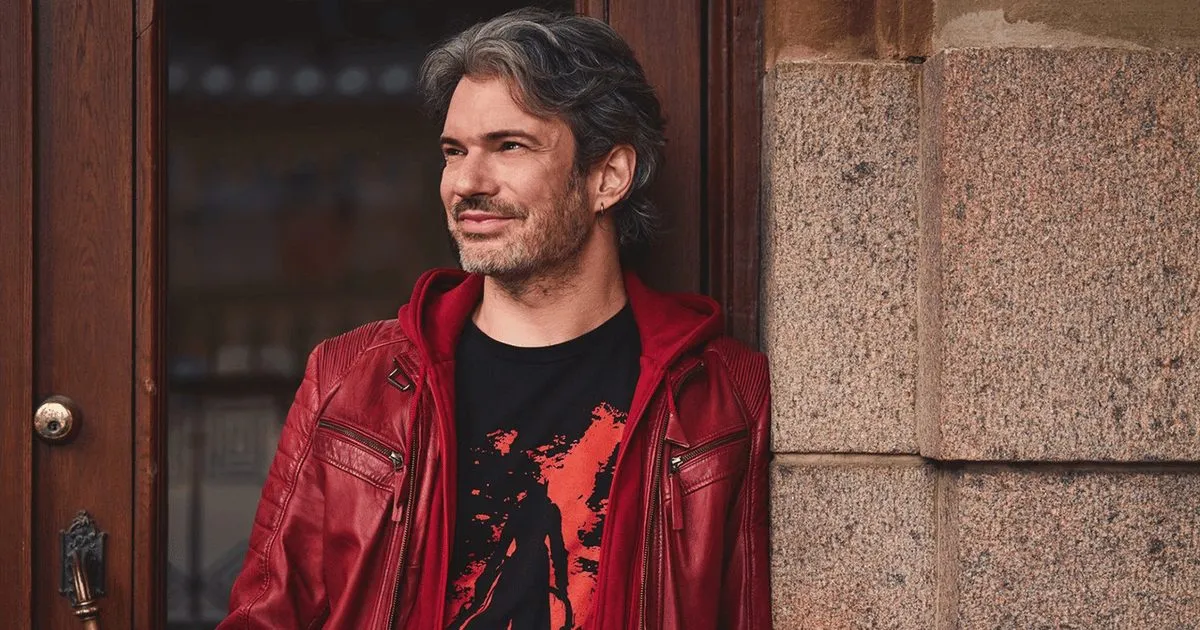
Harry Krueger’s new studio, Cosmic Division, is already saying a lot with very little: small team, big ambition, careful growth, and a grounded view on generative AI. The former Housemarque creative lead is pitching a “lean and mean” future where the game comes first, scope stays under control, and technology serves creativity instead of replacing it. For players and developers alike, that makes Cosmic Division one of the more interesting new studios to watch.
A New Studio With a Clear Identity
When an industry veteran leaves a well-known studio after a long run, it always raises a big question: what comes next? In Harry Krueger’s case, the answer is Cosmic Division, a newly formed indie team with a philosophy that feels refreshingly direct.
Krueger, known for his work at Housemarque, is not chasing the usual startup story of explosive expansion, huge headcount, and endless scaling. Instead, he’s talking about longevity. His goal appears to be building what he calls a “forever studio,” a place designed to last rather than burn bright and burn out.
That idea alone stands out in today’s games industry. Too often, studios expand rapidly during good times only to face layoffs, restructuring, or closure when the market shifts. Against that backdrop, Cosmic Division’s early messaging feels measured, maybe even quietly rebellious. This is not a studio trying to win headlines with size. It wants to win by staying sharp.
“The Game Is the Boss”
One of the strongest ideas Krueger carries from his Housemarque years is simple: the game is the boss.
That mindset says a lot about how Cosmic Division may approach development. It suggests fewer ego battles, less attachment to bad ideas, and more willingness to cut, test, refine, and rebuild until something truly clicks. For anyone who loves polished action games, that’s a promising sign.
Great games rarely emerge fully formed. They come from iteration, from experiments that fail, from surprising discoveries made halfway through development. Krueger’s comments point to a team culture that understands that process deeply. Rather than forcing a grand vision into existence at any cost, the goal seems to be listening to what the game actually needs.
That approach has been behind some of the industry’s most memorable experiences. It’s not glamorous in a press release, but it’s often what separates a good idea from a great final product.
Small Team, Big Swing
Cosmic Division reportedly has just a handful of employees right now, and Krueger does not seem eager to grow beyond a relatively compact size. Even with long-term ambitions, the ceiling he’s describing is modest compared to the ballooning team sizes seen across AAA development.
That matters for more than budget reasons.
Smaller teams can move faster. They can make decisions without drowning in layers of approvals. They can prototype ideas quickly, throw out the weak ones, and double down on the mechanics that feel exciting. In theory, that makes them better positioned to take creative risks.
There’s also a practical side to this strategy. Games have become extremely expensive to make, and expectations can spiral out of control fast. By keeping the studio lean, Cosmic Division may have a better shot at staying flexible while still aiming high. It’s a balancing act between ambition and restraint, and honestly, more studios could probably benefit from trying it.
Sustainability Without the Buzzword Fog
“Sustainability” has become one of those words that can mean almost anything in the games business. Sometimes it’s used sincerely. Other times it shows up right before bad news.
What makes Krueger’s use of the term more interesting is that he ties it directly to scope, staffing, and responsibility. Instead of treating sustainable growth like a vague corporate slogan, he frames it as a discipline. Don’t hire beyond what the project actually needs. Don’t inflate the studio just because growth looks impressive from the outside. Don’t let creative ambition spin into chaos.
That’s a much more concrete definition, and it feels rooted in lessons the industry keeps learning the hard way.
There’s a strong argument that smaller, well-aligned teams can produce better work than giant groups struggling under impossible expectations. Chemistry, trust, and clear direction are hard to scale. Cosmic Division seems to know that already.
The AI Question
Of course, no modern studio conversation feels complete without generative AI entering the chat.
Krueger’s take is probably the most sensible middle ground you could ask for. He doesn’t dismiss AI outright, but he also doesn’t talk about it like a miracle machine that will suddenly solve development. Instead, he frames it as a tool that might help reduce friction in certain workflows.
That distinction is important.
Games are not assembled from efficiency alone. They need taste, judgment, timing, and a strong creative point of view. They need people who know when something feels wrong, even if it works on paper. AI may help teams move faster in some areas, but it cannot replace the human instinct behind great design.
For a small studio especially, the temptation to rely heavily on automation could be strong. Yet Cosmic Division’s position sounds cautious rather than reckless. Open-minded, yes. Dogmatic, no. In the current climate, that’s probably the healthiest stance possible.
Why Players Should Care
Right now, Cosmic Division is more of a philosophy than a fully revealed game. But that philosophy matters.
Players are increasingly aware of the conditions under which games are made. Studio culture, team stability, production bloat, and creative burnout all shape the final experience, whether we see it directly or not. A studio that prioritizes agility, thoughtful scope, and craftsmanship could end up making games that feel more focused and confident.
And coming from someone with Krueger’s background, there’s reason to pay attention. Housemarque built a reputation on gameplay-first design, responsive action, and memorable intensity. If Cosmic Division carries even part of that DNA into something new, it could become one of the most exciting indie studios on the horizon.
Final Thoughts
Cosmic Division is still early in its journey, but its direction already feels distinct. Harry Krueger isn’t promising endless growth, flashy disruption, or tech-driven shortcuts. He’s talking about discipline, experimentation, strong team chemistry, and building a studio that can survive for the long haul.
In a games industry that often seems caught between overspending and overcorrecting, that kind of clarity is genuinely compelling.
Whether Cosmic Division’s first project becomes a breakout hit remains to be seen. But the studio’s guiding ideas already make it worth watching. A lean team with a sharp creative focus, a healthy respect for constraints, and a realistic view of AI might be exactly the kind of story the industry needs right now.