Former Take-Two AI Chief Says Generative AI Is Overhyped
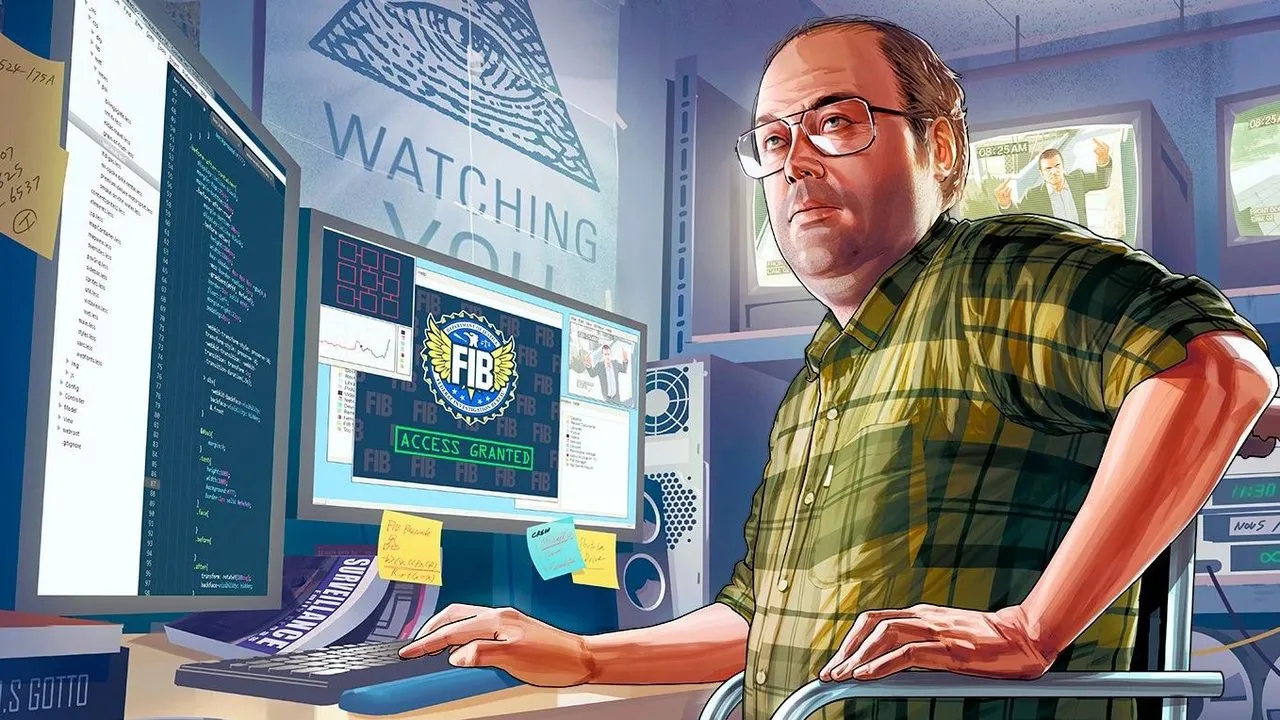
Luke Dicken, the former head of AI at Take-Two Interactive, has delivered a blunt assessment of generative AI in game development, arguing that the technology is being oversold and that many of its promised gains have not been proven in practice. In an interview with The Side Quest, Dicken said studios risk chasing hype, building pipelines around expensive third-party tools, and adding AI features that do not actually improve how games are made or played.
Dicken’s comments stand out because they come from someone who held a senior AI role at one of the largest publishers in the business. Before that, he worked at Zynga as a data scientist and later as director of applied AI, giving him a long view of how machine learning has been discussed inside game companies.
His criticism starts with how generative AI is perceived by developers and players. He said many creatives see its use as "an abdication of intentionality" and, in many cases, "an abdication of authorial intent." That concern cuts to a core issue in game development, where designers usually shape experiences very deliberately, from pacing and dialogue to mechanics and tone.
Dicken also said player sentiment is not easy to read. He noted that audiences in North America and Europe appear more hostile to generative AI, while Asian audiences seem more accepting, at least anecdotally. He added that online reactions may not reflect the broader market, and said he does not have a firm answer on whether anti-AI sentiment is mainstream or concentrated among a vocal minority.
Where he sounds most skeptical is on practical use. Games, he argued, are curated experiences, and generative systems do not automatically make them better just by producing more material. Speaking about AI-generated dialogue, he said, "Games are curated experiences. When you look at a dialogue tree and there's three options, yeah, you could make that 50, 100, we could have made it 100 options without generative AI." His point was that more choices do not matter if only a small number of them meaningfully serve the player or the game’s structure.
He raised similar doubts about productivity claims around AI coding tools. Dicken said people often repeat dramatic claims about engineers becoming vastly more productive, but those claims are rarely backed by rigorous internal study. He argued that individuals are not always reliable judges of their own output, and that companies should be measuring results objectively rather than assuming the tools work as advertised.
His sharpest remark was aimed at the broader AI sales pitch. "If any of this shit actually did what people are billing it as, they would not be talking about it," Dicken said in the interview. He compared the current market to a gold rush where vendors are eager to sell pickaxes instead of demonstrating that they have actually found gold.
That skepticism extends to the business risks. Dicken warned that companies can become locked into AI vendors whose pricing may rise once the tools are embedded deep in production pipelines. He compared that danger to the kind of pricing backlash that hit Unity, arguing that game companies may be drifting into a similar dependency problem with generative AI services.
Even with all of that criticism, Dicken did not dismiss the technology outright. He said AI will likely have some long-term impact on the industry, but he does not expect a revolution on the scale often promised by investors and vendors. Instead, he framed it more like the adoption of tools such as Maya, important and useful in some contexts, but not a force that will overturn game development by itself.
His final point may be the most relevant one for studios still experimenting with AI: a game needs a clear thesis, and every tool used in development should support it. For Dicken, the problem begins when AI is added to satisfy investor pressure rather than to make a better game.