Best Hide-and-Seek Spots in Meccha Chameleon: All Maps Guide
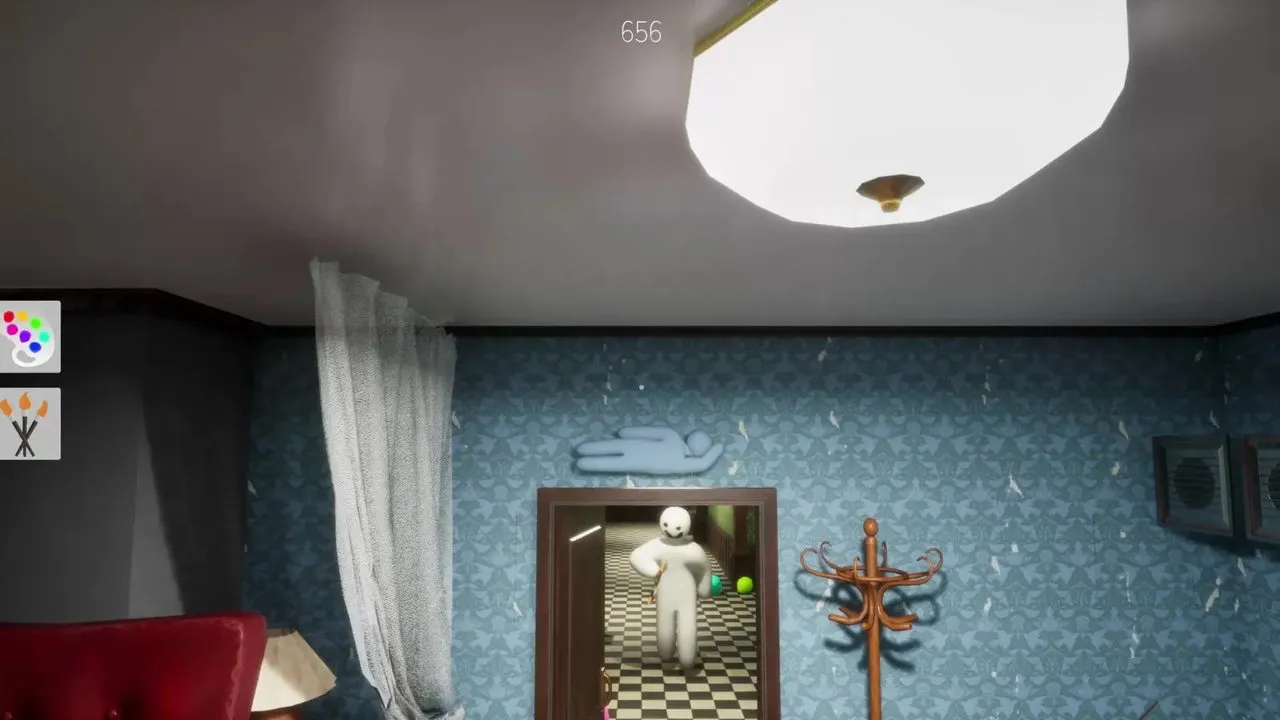
If you want to survive longer in Meccha Chameleon, the best hiding spots are the ones that combine smart camouflage, awkward angles, and low player traffic, and this guide breaks down the strongest hide-and-seek positions across every map so you can stop panicking when the seeker gets close and start disappearing like a true color-shifting pro.
Meccha Chameleon has exploded in popularity for a good reason. It takes a simple party-game idea and turns it into a tense little mind game where patience, positioning, and paint choice matter just as much as fast reactions. You are not just hiding behind an object and hoping for the best. You are blending in, reading the room, and trying to predict where the seeker will check first.
That is what makes good hiding spots so satisfying in this game. A great location is not always the most obvious corner or the deepest shadow. Sometimes the strongest place to hide is somewhere visible at a glance but easy to overlook because your colors match perfectly and your shape does not stand out.
Before getting into map-by-map recommendations, there are a few universal rules that make any hiding spot better.
What makes a great hiding spot in Meccha Chameleon?
The best spots usually have three things going for them:
- A background with easy-to-match colors
- Enough clutter to break up your outline
- A position that seekers do not naturally stare at for long
You should also remember that overcommitting to a “perfect” location can backfire. If a spot looks too ideal, experienced seekers often check it early. Sometimes a decent hiding place with excellent camouflage works better than the most famous trick spot on the map.
A few quick tips before each round:
- Paint yourself to match the largest nearby surface, not the smallest detail
- Avoid moving once the seeker starts closing in
- Tuck yourself near props with similar shapes or edges
- Do not always hide in the same type of place every round
- Use weird vertical spaces whenever the map allows it
Now let’s talk maps.
Map 1: The best all-around hiding map
This map feels like the most forgiving one in the game because it gives hiders lots of surfaces, color variety, and prop density. If you are learning Meccha Chameleon, this is probably the best place to experiment.
Top spots on this map
1. Beside stacked props or containers
Anywhere with layered objects is fantastic. If there are boxes, barrels, or decorations grouped close together, try blending into the side that matches your paint. These areas are strong because the seeker often scans the top and front first, not the narrow side angles.
2. Near painted walls with visual noise
Walls that have patterns, stains, signs, or uneven colors are much better than plain surfaces. If you can cling to one and match the dominant tone, your body outline becomes much harder to read.
3. Corners behind map decoration
A corner alone is not enough. The trick is finding one with some extra environmental clutter like plants, signs, pipes, or small objects. These details help break your silhouette and make you look like part of the scenery.
Why this map works so well
The biggest advantage here is flexibility. Even if your first choice gets taken, there are usually backup spots nearby. You are not locked into one obvious hide zone, which makes this map much more forgiving for solo queue players or chaotic lobbies.
Map 2: The weakest hiding map, but still usable
This one tends to be tougher for hiders. The environment usually feels more open, and the best spots are more limited. That does not mean it is hopeless, though. It just means you need to be more precise with your paint and positioning.
Best spots on this map
1. Thin edge positions near large objects
If there is a big object with a side panel or narrow edge, try sticking close to the least visible side instead of directly hiding behind it. Seekers often circle big props quickly, but they can miss a well-camouflaged hider hugging the side.
2. Low-traffic background zones
Every map has areas players naturally ignore. On this one, look for parts of the map that feel visually boring. Flat backgrounds are risky, but if the seeker is focused on the flashy center areas, a dull side section can become a sneaky choice.
3. Spots near similarly colored floor decor
This map may not have your favorite hiding locations, but if there are rugs, markings, shadows, or low objects on the ground with similar colors to your paint, you can make yourself surprisingly hard to notice.
How to play this map better
Do not rely on the environment alone. This is the map where your camouflage matters the most. Pick a color scheme quickly, commit to it, and avoid high-profile props that scream “check here.”
Map 3: A top-tier map for creative hiders
This is easily one of the best maps in Meccha Chameleon if you enjoy tricking seekers instead of just disappearing into the background. It usually offers more layered geometry and more playful sightlines.
Strong spots to try
1. Elevated ledges or unusual vertical spaces
Players often check eye-level first. If the map allows you to hide slightly above or below the expected line of sight, that alone gives you a huge advantage. Verticality is your friend here.
2. Between decorative objects with similar colors
Look for clusters of objects where your body shape can pass as part of the environment. If there are grouped statues, signs, cushions, or blocks, these areas can become incredible if your paint matches even loosely.
3. Side walls near busy central routes
This sounds risky, but it works because seekers moving through central lanes are often focused on obvious corners and deep hiding zones. A subtle blend on a nearby wall can be overlooked if you stay still.
Why this map is so fun
This map rewards confidence. You can hide in places that feel almost too exposed, but that is exactly why they work. Many seekers expect hiders to run deep into the map, not blend into a spot that is technically in plain view.
Map 4: Solid and dependable
This map may not be as flashy as the strongest one, but it has enough strong hiding places to make it reliable. It is the kind of map where good fundamentals beat gimmicks.
Best locations here
1. Background corners with matching paint
Simple but effective. If the corner color is easy to imitate and the lighting is not too bright, this can still win rounds consistently.
2. Near environmental objects with uneven shapes
Anything jagged, layered, or oddly shaped helps. The more the environment disrupts your outline, the less likely a seeker is to immediately recognize you.
3. Outer edges of the map
Players often spend too much time around the middle because it has the most props. That makes quieter edge sections more valuable than they first appear, especially if the colors there are easy to copy.
Best strategy for this map
Think safe, not flashy. This is a map where patient hiding usually beats risky trick plays. Choose a believable spot, match the color cleanly, and trust the camouflage.
Common mistakes that ruin good hiding spots
Even the best location can fail if you make one of these mistakes:
Picking the right spot but the wrong color
A strong hiding place means nothing if your paint is slightly off and your body pops against the background.
Hiding somewhere popular every round
Good seekers learn patterns fast. If you found one amazing spot, save it for when players are least expecting it.
Moving too late
Once a seeker is nearby, panic movement usually gives you away instantly. Commit early.
Choosing symmetry over disguise
A spot might look neat and tucked away, but if your shape stands out too cleanly against the environment, it is not actually good.
Final thoughts
Meccha Chameleon is at its best when you stop treating hiding like a simple game of cover and start treating it like visual deception. The strongest spots are not always the deepest, darkest, or weirdest. They are the ones that make the seeker’s brain skip over you for just one extra second.
If you are deciding where to focus, Map 1 and Map 3 usually offer the best hiding potential, while Map 2 demands the most precise camouflage. Map 4 sits nicely in the middle and rewards disciplined play. No matter which map you get, though, the winning formula stays the same: match the environment, break your outline, and hide where people do not want to spend time looking.
Master that, and you will not just hide in Meccha Chameleon. You will vanish.