Australia’s Under-16 Social Media Ban Is Already Failing, Report Says
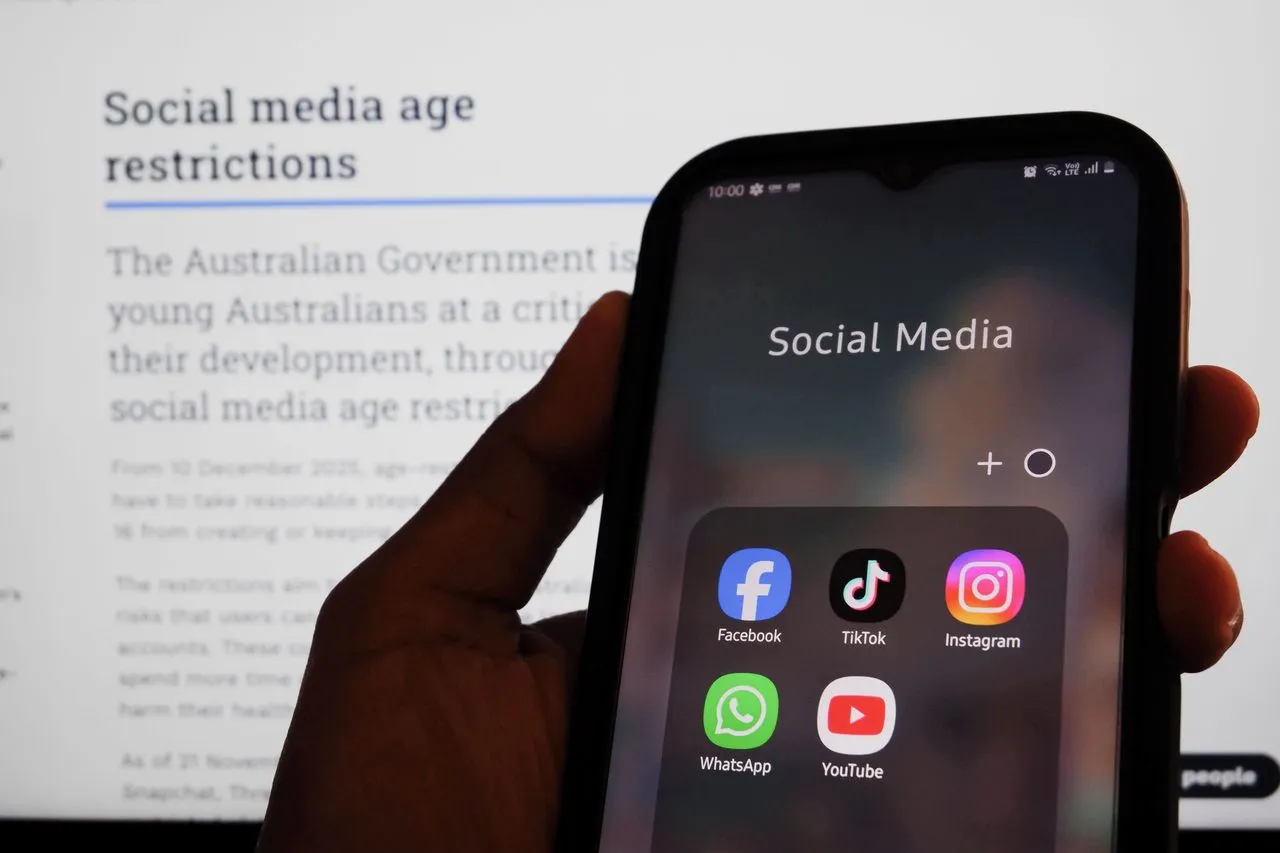
Australia’s under-16 social media ban was supposed to draw a hard line around online safety, but early reports suggest the reality is far messier. For gamers, stream watchers, and online communities that live across platforms like YouTube, TikTok, Instagram, and Discord-style spaces, the story is less about one country’s rulebook and more about a growing problem: how do you enforce age limits online when the systems behind them are inconsistent, easy to dodge, or barely switched on at all?
According to recent reporting, software testers created dozens of accounts after the ban rolled out and found that most major platforms did not meaningfully verify age at sign-up. That’s a huge red flag, especially when these services are some of the biggest digital hangouts for younger players. If a platform simply accepts a birthdate entry without asking for proof, then the law may exist on paper while the actual barrier is little more than a text box.
That gap between policy and practice is where this story becomes especially relevant for gaming audiences. Gaming culture doesn’t just happen inside games anymore. It spills into streaming sites, social apps, video platforms, and community servers. A teenager who can’t officially sign up for one service may still be able to watch clips, join chats, follow creators, or participate in fan spaces somewhere else with almost no friction. In other words, banning access is one thing. Building a system that actually works across the modern internet is a completely different boss fight.
What makes the situation more troubling is that reports suggest some test accounts were not challenged at all, despite using an age that should have triggered checks. If true, that points to a reactive system rather than a proactive one. Some companies may be relying on account behavior, posting patterns, or engagement signals to guess whether someone is underage. But that approach feels shaky from the start. A quiet account that mostly lurks, watches shorts, or scrolls content can still be exposed to material it probably should not see.
For players and parents, this creates a false sense of security. A legal restriction sounds strong. It sounds decisive. But if platforms are not consistently verifying users at the front door, then enforcement depends on guesswork, moderation, and after-the-fact detection. That is not exactly reassuring when we are talking about minors navigating algorithm-driven feeds.
There is also the obvious technical problem: workarounds. Anyone who has spent time online knows that age gates are rarely unbeatable. In gaming spaces, people are already familiar with how quickly communities discover bypass methods. Whether it is using different images, borrowed IDs, alternative devices, VPNs, or weirdly creative tricks involving games and 3D models, the internet tends to treat restrictions like puzzles. And gamers, for better or worse, are very good at solving puzzles.
That creates a strange arms race. Regulators want safer online spaces for kids. Platforms want to avoid penalties while keeping onboarding smooth for legitimate users. Meanwhile, users who want access will test every crack in the wall. The result is a system where stricter checks can become more invasive for everyone, while still not fully stopping determined users. That tension is probably the hardest part of the whole debate.
From a gaming perspective, there is another layer to this: community fragmentation. Younger players often follow esports clips on YouTube, communicate through social features, share game memes on short-form video apps, and keep up with patch notes or creators across multiple platforms. If some services enforce age checks aggressively while others barely do anything, users will simply migrate to the weakest gate. That does not solve the safety issue. It just redistributes it.
And then there is the content problem. If even one platform serves inappropriate material to a supposedly underage profile, that undermines confidence in the broader system. Content moderation and age verification are related, but they are not the same thing. A platform can claim to have safety tools while still failing to stop harmful recommendations. For young users, the danger is not only whether they can create an account, but also what an algorithm decides to place in front of them once they do.
None of this means the goal is pointless. Protecting younger users online is a worthwhile aim, and most gamers would probably agree that better guardrails are needed. Online spaces can be funny, creative, and supportive, but they can also be hostile, manipulative, and way too easy to access without context or protection. The issue is that broad legal bans sound much simpler than the technology needed to support them.
Right now, Australia’s move looks like a reminder that legislation alone cannot carry the whole load. If companies are inconsistent, if verification tools are clumsy, and if bypasses spread faster than fixes, then the result is a rule that looks tough but performs weakly. For gaming communities watching from the sidelines, this matters because the same questions are coming for every online platform tied to play, streaming, chat, and creator culture.
The real challenge is not just keeping under-16s off certain apps. It is building systems that are accurate, privacy-conscious, hard to exploit, and realistic for millions of users. That is a huge ask. Until platforms can prove they are doing that reliably, stories like this will keep making one thing clear: the online safety debate is no longer just political. It is deeply technical, constantly evolving, and nowhere near solved.