Super Mario Galaxy Movie Passes $2 Billion at Box Office in Just Two Films
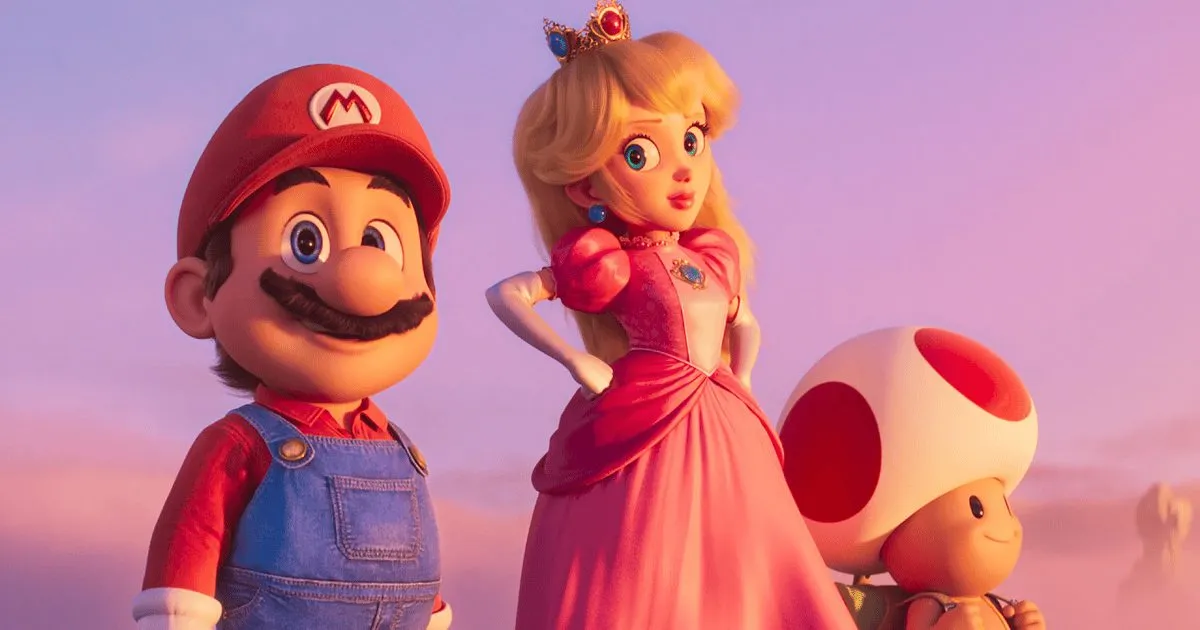
The Super Mario movie franchise has hit a huge new milestone, crossing the $2 billion mark worldwide with only two films released so far. With The Super Mario Galaxy Movie posting an impressive global box office total in its early run, Nintendo and its film partners have turned Mario into one of gaming’s biggest success stories on the big screen, even as the sequel continues to spark debate among critics and fans alike.
Nintendo’s cinematic momentum is looking stronger than ever. The Super Mario Galaxy Movie has raced out of theaters’ starting gate with a global box office haul of roughly $747 million, split between major domestic earnings and a powerful international showing. That would already be enough to call the film a major success on its own, but the bigger headline is what it means for the franchise as a whole.
When combined with the towering performance of the first Mario film, the series has now gone past $2 billion in worldwide box office revenue after just two entries. That is an enormous achievement for any movie franchise, but it feels especially notable for one rooted in video games. For years, game adaptations struggled to shake off a reputation for being risky bets or awkward attempts to translate beloved interactive worlds into passive entertainment. Mario has now become one of the clearest examples that things have changed.
The original film laid the groundwork with a massive theatrical run that brought in well over a billion dollars. It proved that Nintendo’s most iconic mascot could draw longtime fans, families, younger audiences, and plenty of curious moviegoers all at once. The sequel has followed that up with another strong performance, showing that the first movie’s success was not a one-off novelty. This is now a genuine film franchise with major global appeal.
A lot of that success comes down to how broad Mario’s reach really is. Few gaming characters have the same level of worldwide recognition. Mario is nostalgic for older players, instantly appealing to kids, and familiar even to people who barely touch games. That kind of crossover power is rare, and it gives Nintendo a huge advantage whenever it decides to bring its properties into other forms of entertainment.
What makes this even more interesting is that the box office success has not fully aligned with the critical response. While audiences have clearly shown up in big numbers, reviewers have been more mixed on the sequel. That gap between commercial reception and critical opinion has become part of the conversation around the movie. Some viewers seem happy to embrace the colorful spectacle, fast-paced adventure, and game-inspired fan service, while critics have questioned whether the film does enough beyond delivering recognizable characters and references.
That contrast is not exactly new for game adaptations, but Mario’s case stands out because of just how successful the films have been regardless. For Nintendo, Universal, and Illumination, the most important signal is probably the one being sent by audiences. Ticket sales at this scale suggest that people are connecting with these movies in a very real way, whether critics are fully on board or not.
There is also something worth noting about the timing. The entertainment industry has spent years chasing recognizable brands, but not every major IP can instantly become a box office juggernaut. Mario works because the character is more than just a logo. The games have spent decades building a world that feels playful, vibrant, and easy to adapt into family-friendly spectacle. Mushroom Kingdom action, colorful power-ups, familiar enemies, and a tone that stays accessible across generations all help make the leap from console to cinema feel natural.
For Nintendo, this opens up even bigger possibilities. If Mario can become a reliable theatrical powerhouse, the company’s other franchises suddenly look even more tempting as film candidates. Fans have already spent years imagining what a Zelda movie, a Metroid thriller, or even a Luigi’s Mansion spin-off could look like. Whether Nintendo rushes into that future or takes a careful, deliberate approach, the success of the Mario movies gives it far more confidence to expand.
At the same time, the sequel’s reception may serve as a reminder that financial success and creative praise are not always the same thing. If the franchise wants to keep its momentum going long term, future entries may need to balance crowd-pleasing fun with stronger storytelling and more memorable character work. Families and fans will absolutely show up for Mario, but maintaining excitement over multiple sequels often requires more than familiarity alone.
Still, from a gaming perspective, this is a milestone worth paying attention to. Mario is no longer just one of gaming’s biggest stars. He is now firmly established as a serious force in Hollywood too. Crossing $2 billion with just two films is not just impressive for a game adaptation. It is impressive, period.
For Nintendo fans, that likely means one thing above all else: Mario’s movie journey is probably just getting started. And if these early numbers are any indication, the next level could be even bigger.