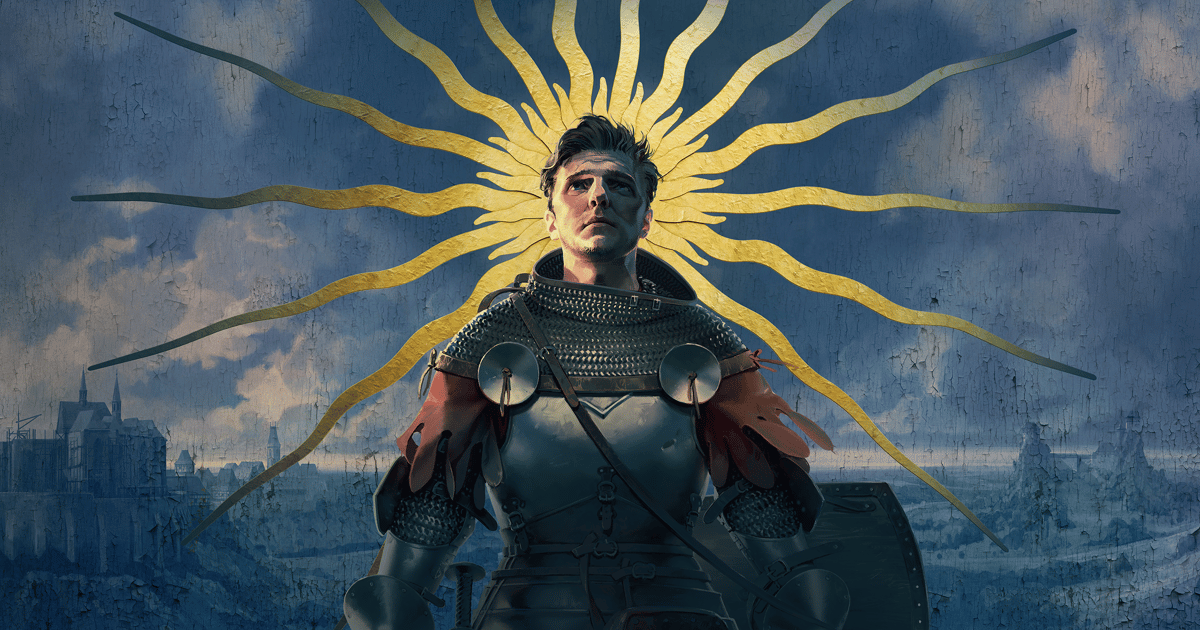
Slay the Spire 2 is off to a monster start. Third-party estimates suggest Mega Crit’s sequel has already generated more Steam revenue than both Hollow Knight: Silksong and Hades 2, and it managed that feat just weeks after launch. While official tallies will land later, the early momentum is undeniable: a single-platform, early access deckbuilder has crashed through expectations to become one of 2026’s standout success stories.
What makes this story so compelling isn’t just that an indie sequel is putting up big numbers—it’s how it did it. Slay the Spire 2 didn’t slide into the zeitgeist on a wave of cinematic trailers or blockbuster ad buys. It climbed the charts through player goodwill, smart iteration, and the kind of sticky design that keeps you saying “one more run” until 3 a.m. If you’ve followed the original game’s trajectory, you know how rare and special that cocktail is.
Let’s set the stage. These revenue comparisons are based on estimates, not official statements. That matters, because the word “revenue” can mean different things (gross vs. net, regional pricing differences, taxes, and platform cuts all complicate the math). But even with those caveats, the broad picture is crystal clear: Slay the Spire 2 is selling extraordinarily well, and it’s holding attention. It’s been a fixture among Steam’s most-played and best-selling titles since launch, implying a potent mix of unit sales and retention—two pillars of a healthy, growing community.
Why this sequel, and why now? A few reasons stand out:
- Trust banked from the original: The first Slay the Spire didn’t just popularize roguelike deckbuilders; it defined the modern standard. That kind of reputation pulls players in immediately.
- Early access done right: The team launched with a solid core, clear communication, and a roadmap-friendly foundation. When players believe their feedback matters, they stick around.
- Watchability and shareability: Runs make great stories. They’re bite-sized, high-drama, and perfect for streaming, short clips, and build-discussion threads.
- Systemic depth: New characters, card synergies, and meta progression give returning fans reasons to re-learn, re-theorycraft, and re-invest.
The most surprising comparison point, of course, is that we’re talking about revenue alongside giants like Silksong and Hades 2—two of the most anticipated and acclaimed indie sequels of the era. Both have enormous fanbases, critical cachet, and serious staying power. For Slay the Spire 2 to be in that conversation at all, let alone edging ahead in estimated earnings on Steam, says a lot about how deckbuilders have broken into the mainstream and how potent the Slay brand has become.
There’s also a lesson here about team size and development style. Mega Crit remains small by industry standards, and yet it’s competing with studios that are still considered lean compared to AA/AAA production. Smaller teams can move deliberately, focus on the fun, and avoid the cruft that sometimes creeps into larger projects. That’s not a guarantee of success—plenty of excellent indie games struggle for visibility—but when lightning does strike, it reminds everyone that polish and design clarity can be more powerful than raw scale.
It’s worth noting how much runway Slay the Spire 2 still has:
- Platform expansion: The current success comes from a single storefront. That leaves room for future gains as other platforms come into play.
- Version 1.0 pop: Well-run early access games often see a second sales surge at full release, especially if they’ve delivered consistent updates.
- Community momentum: Mods, challenge runs, speedrunning, and daily climb culture help keep the game’s ecosystem vibrant long-term.
As for the game itself, it leans into what the original did best—clean mechanics, screw-tight balance, and branching paths stuffed with tough decisions—while giving each new hero a more pronounced identity. The joy isn’t just in winning; it’s in discovering the line between a fragile, scrappy deck and a monstrous engine that snowballs through elites. When a card pool invites both cautious fundamentals and wild, high-variance gambits, you get stories worth telling. That’s the engine of word-of-mouth.
One thing many players appreciate: Early access doesn’t feel like a half-assembled chassis. Runs are already meaty, balance patches arrive in digestible waves, and the meta adjusts in visible, learnable steps. You can feel the push-and-pull between player discoveries and developer nudges. That ongoing dialogue keeps the meta from ossifying and gives everyone a reason to come back after each update, even if it’s just to see how your favorite archetype fared.
Let’s pivot to the tabletop for a second. The Slay the Spire board game is getting a new expansion, Downfall, and the crowdfunding response has been massive. The hook is brilliant: flip the script and play as bosses—Slime Boss, Hexaghost, Hermit, Guardian, and others—turning familiar encounters into asymmetric puzzles. It’s the kind of twist that feels obvious in hindsight but fresh in practice. If you missed the original board game, there are options to nab it again alongside the expansion, and yes, there are deluxe versions with physical goodies for collectors. The digital game’s momentum bleeding into the tabletop space is another sign that this universe has legs well beyond one platform or one genre.
So what should players watch for next?
- Character tuning and new relic/card pools that nudge underplayed archetypes into the spotlight.
- Event variety and map pacing tweaks to keep runs unpredictable without turning them chaotic.
- Quality-of-life improvements—run history, draft tools, and better clarity around edge-case interactions—that make deep play easier to recommend to friends.
- Mod support maturation. The first Slay the Spire thrived on community creativity; a robust pipeline here could extend Slay 2’s lifespan by years.
A gentle reminder before anyone crowns definitive champions: revenue is one lens, not the whole picture. Hades 2 and Silksong serve different rhythms of play and pull in communities for different reasons. Time played, conversion across platforms, long-tail DLC, and cultural footprint all matter too. What’s exciting is that all three games prove there’s room at the top for smartly scoped, lovingly designed experiences that respect players’ time.
No matter how the final numbers settle, Slay the Spire 2’s launch arc is a win for players and for the health of the indie scene. It rewards a model where teams build trust, ship early to learn, and tune for the meta like it’s a living organism. It’s proof that when you ignite the right feedback loops—strong design, watchable runs, frequent patches, and a community hungry to solve the puzzle—you don’t need a colossus behind you to tower over the charts.
If your deckbuilding instincts have been dormant, consider this your call to shuffle up again. The Spire is taller, meaner, and somehow more inviting than ever—and judging by the early returns, a lot of us are already halfway up the next floor.