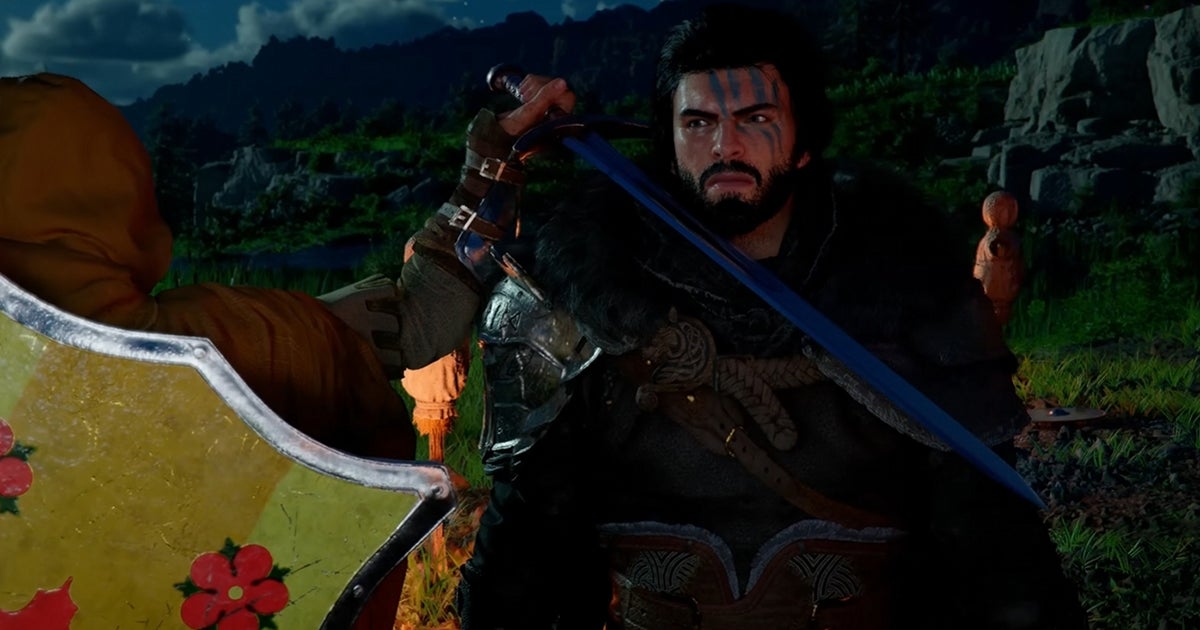
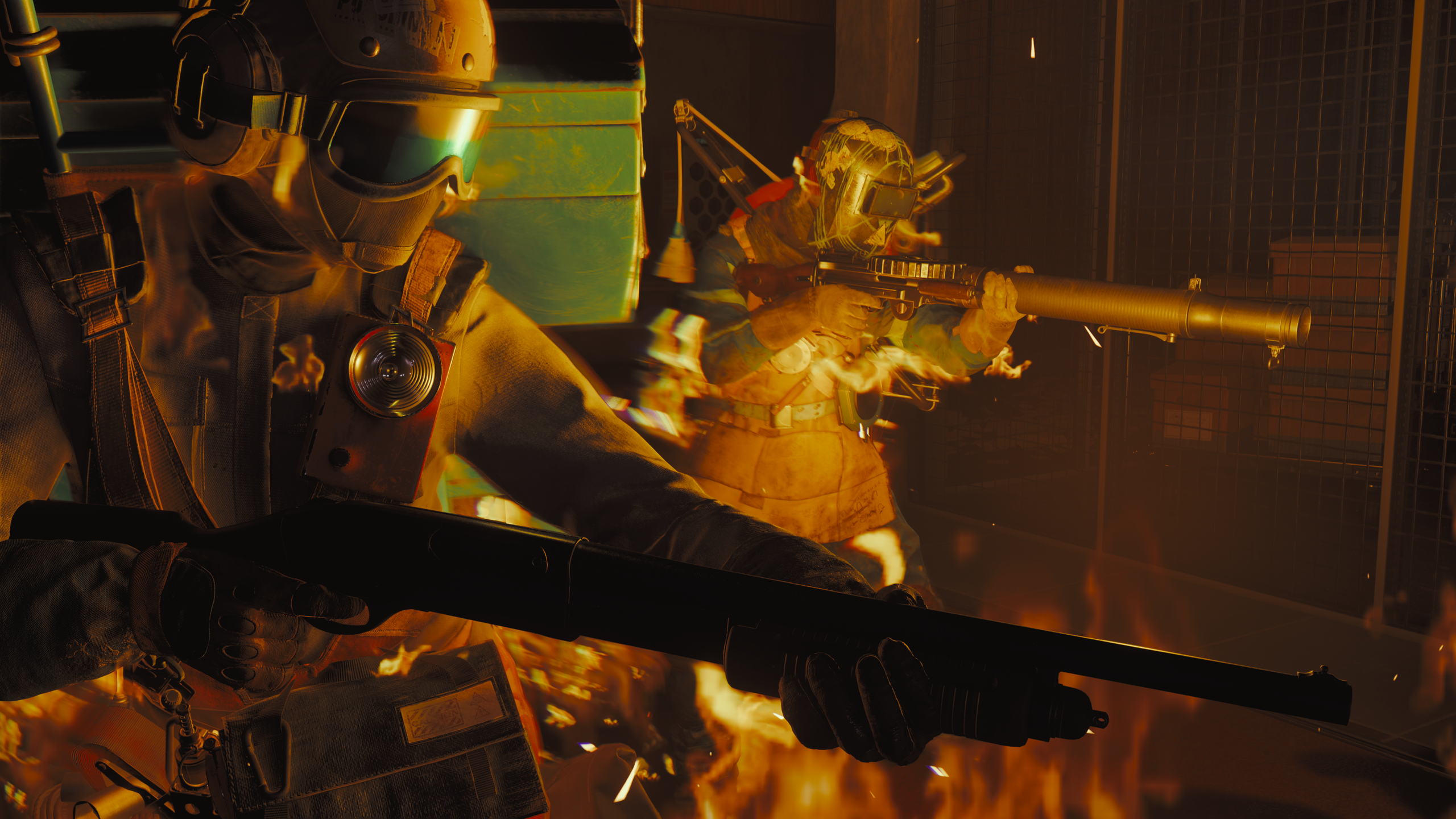
Slay the Spire 2’s launch absolutely exploded on Steam, peaking at around 430,000 concurrent players and eclipsing Bungie’s extraction shooter Marathon, which topped out near 88,000 on the platform. A playful congrats post from Mega Crit sparked chatter about indie power versus AAA muscle, and even the studio’s co-founder admitted the joke landed spikier than intended. The real story here isn’t about dunking—it’s about how a beloved design, a huge word-of-mouth tail, and a zero-friction single-player loop can supercharge a day-one Steam surge.
Launch day showdown: two games, one clock
Both games hit Steam at the same time, and the comparison was irresistible: an indie sequel with a ravenous roguelike fanbase versus a storied studio debuting a high-profile extraction shooter. On launch day, Marathon notched a respectable Steam peak in the high eighty-thousands. Slay the Spire 2, meanwhile, rocketed past the four-hundred-thousand mark, an eye-widening gap for anyone who follows platform charts.
Context matters. Marathon is fighting on multiple fronts with console audiences in the mix, whereas Slay the Spire 2 is currently focused on PC. The two genres also activate different habits: extraction shooters demand squad coordination, time slices large enough for full runs, and early meta learning; roguelike deckbuilders invite instant solo queues, quick retries, and “just one more floor” binges. On Steam, that friction difference shows up fast and loud.
A playful jab, a humble follow-up
Mega Crit’s social post congratulating the Marathon team landed with a wink, but when their co-founder reflected that the message “came off meaner than intended,” it cut through the console-war noise. That tone matters. The deckbuilding scene has always been scrappy and collaborative, and Mega Crit’s success didn’t arrive by victory lap—it arrived by years of updates, transparency, and an almost obsessive respect for player tinkering. The result: a sequel launch that felt like a reunion and a celebration rolled into one.
Why Slay the Spire 2 surged so hard on Steam
- Decisive trust from the original: The first game earned a reputation for razor-clean design, meaningful choices, and near-infinite replayability. That goodwill lowers hesitation on day one.
- Instant-on loop: Single-player, turn-based runs are perfect for “I have 15 minutes” and “I have 5 hours.” Steam thrives on loops that scale to whatever time a player has.
- Streamability: Watching a run is low-spoiler, high-drama content. Deck pivots, clutch topdecks, and boss routing produce highlight moments that convert viewers into buyers.
- Community literacy: Millions already “speak” Spire—relic synergies, draft heuristics, event risk/reward. That knowledge base makes a sequel feel welcoming, not intimidating.
- Iterative mastery: Every failed run teaches something. When the loss state is educational, concurrency tends to hold and even snowball as players chase the next high roll.
Marathon’s mountain to climb
Extraction shooters rarely launch fully formed. They need time to tune economy, map routing, time-to-kill, spawn safety, and out-of-raid progression—all while ensuring there’s a reason to queue up “one more drop.” That feedback loop is harder to nail on day one than a contained PvE roguelike. Add the genre’s reliance on squads and comms, plus the reality that Steam represents just one slice of Marathon’s audience, and the picture looks less like a loss and more like step one of a longer roadmap.
Does the Steam number still matter? Absolutely. It’s a pressure test for PC UX and first-session retention. But successful service shooters are marathons—iterative sprints toward stability, identity, and a tight seasonal cadence.
Indie power, explained
“Indie vs AAA” is an easy headline; the truth is more interesting:
- Scope clarity wins. Slay the Spire 2 delivers a focused promise: decisions, synergies, and run-to-run novelty. Players know exactly what they’re buying.
- Smooth onboarding is currency. If your first five minutes feel crisp and rewarding, Steam concurrency loves you. Spire’s tutorialization is largely emergent—it’s the game itself.
- Design density beats content bloat. In deckbuilders, a single well-crafted relic can birth dozens of new lines. That design efficiency multiplies on day one and keeps multiplying for years.
- Community rituals have momentum. Daily climbs, seeded races, challenge runs, and no-hit attempts convert hype into habit, and habit into a towering concurrent line.
The vibes matter
One reason the “meaner than intended” comment resonated is that Slay the Spire’s community has always been about the joy of puzzle-solving, not point-scoring. That culture comes from the top. When developers model respect for peers and curiosity for player discoveries, it shapes how discourse unfolds. The result is an audience that celebrates solvable problems—balancing a busted combo, fixing an event exploit—rather than hunting for outrage.
What comes next for both games
For Slay the Spire 2:
- Early balancing waves are inevitable. Expect gentle nudges to outlier relics and events rather than wild overhauls.
- The meta will settle, then fracture. As the community masters baseline lines, off-meta builds will surface and redefine “optimal.”
- Speedrunners and theorycrafters will set the pace. Seeds, splits, and routing tech turn a deckbuilder into a spectator sport.
For Marathon:
- First 30-day learnings are gold. Spawn safety, MMR brackets, and extraction incentives will determine whether casuals stick and sweats ascend.
- Economy and identity will harden. What makes a “Marathon run” uniquely satisfying compared to its peers? The answer will crystallize through iteration.
- Cross-platform cohesion is key. Party formation, controller feel, and UI readability can widen the funnel far beyond the Steam chart.
The takeaway for players
It’s a fantastic time to be on PC. If you want rich, thinky, high-agency solo play, Slay the Spire 2 is already a time sink with a smile. If you want adrenaline, squad banter, and the long arc of service-game mastery, keep an eye on Marathon’s patch notes—service shooters often become their best selves months in, not hours.
And for all the scoreboard jokes, this week felt less like a beatdown and more like a showcase of how different kinds of games create different kinds of gravity. One built a supernova from trust and design density; the other lit a fuse that, if tended well, can burn for seasons.
Final word
Numbers get the headlines. Design earns the tail. Slay the Spire 2’s monster Steam peak is the payoff for a crystal-clear promise executed with confidence. Marathon’s path is longer and steeper by design, but that’s the gig for extraction shooters. If both teams keep listening, iterating, and staying humble, players win twice—today, with a deck full of possibilities, and tomorrow, with a drop worth risking it all for.