Silent Hill: Townfall trades the franchise’s familiar American rust and rot for a windswept Scottish nightmare set in the mid-90s. With a first-person perspective, an analog pocket television as your eerie companion, and a personal mystery that keeps dunking you back onto rain-glossed docks, Townfall is shaping up to be a chilly, character-driven horror story from a Glasgow team with a knack for unsettling, lo-fi tech. Slated for 2026, it looks poised to honor Silent Hill’s psychological roots while carving out a fog-drenched identity all its own.
There’s something beautifully cruel about fog that hugs the shoreline. It swallows sound, bends light, and turns every familiar street into hostile territory. Townfall appears to bottle that sensation and smash it over your head like a cold wave, tossing you into a place that feels at once lived-in and abandoned. The pitch is simple and sinister: return to a remote Scottish town in 1996, rifle through its empty rooms and guilty memories, and figure out why your past refuses to stay buried. The twist? Your lifeline is a palm-sized CRT set that flickers with messages, patterns, and maybe a few things you’d rather not decode.
While plot specifics are still fogged up, we know you step into the boots of Simon Ordell, a man whose connection to this island settlement isn’t just personal—it’s invasive. He keeps waking near the docks, face still briny, as if the sea itself is spitting him back out. A medical line snakes from his arm, a provocative visual that raises questions about memory, control, and what kind of truth your body might be storing without permission. It’s classic Silent Hill in spirit: intimate guilt and communal rot, refracted through ritual, rumor, and the mundane horrors of small-town life.
The first-person perspective is a smart fit for this kind of story. No panoramic safety here—just the scrape of your shoes on soaked cobblestone, the heavy breathing behind you, and that scratchy hum from your pocket TV. If you’ve played the Glasgow studio’s earlier work—the inventive anthology of Stories Untold or the unnerving space thriller Observation—you’ll recognize their talent for turning everyday tech into instruments of dread. Expect the television to do more than show static; this team loves diegetic interfaces that make you feel complicit. Tuning dials, aligning signals, scrutinizing snowy frames—if Townfall leans into this signature, puzzles and navigation could feel tactile in a way that elevates the dread.
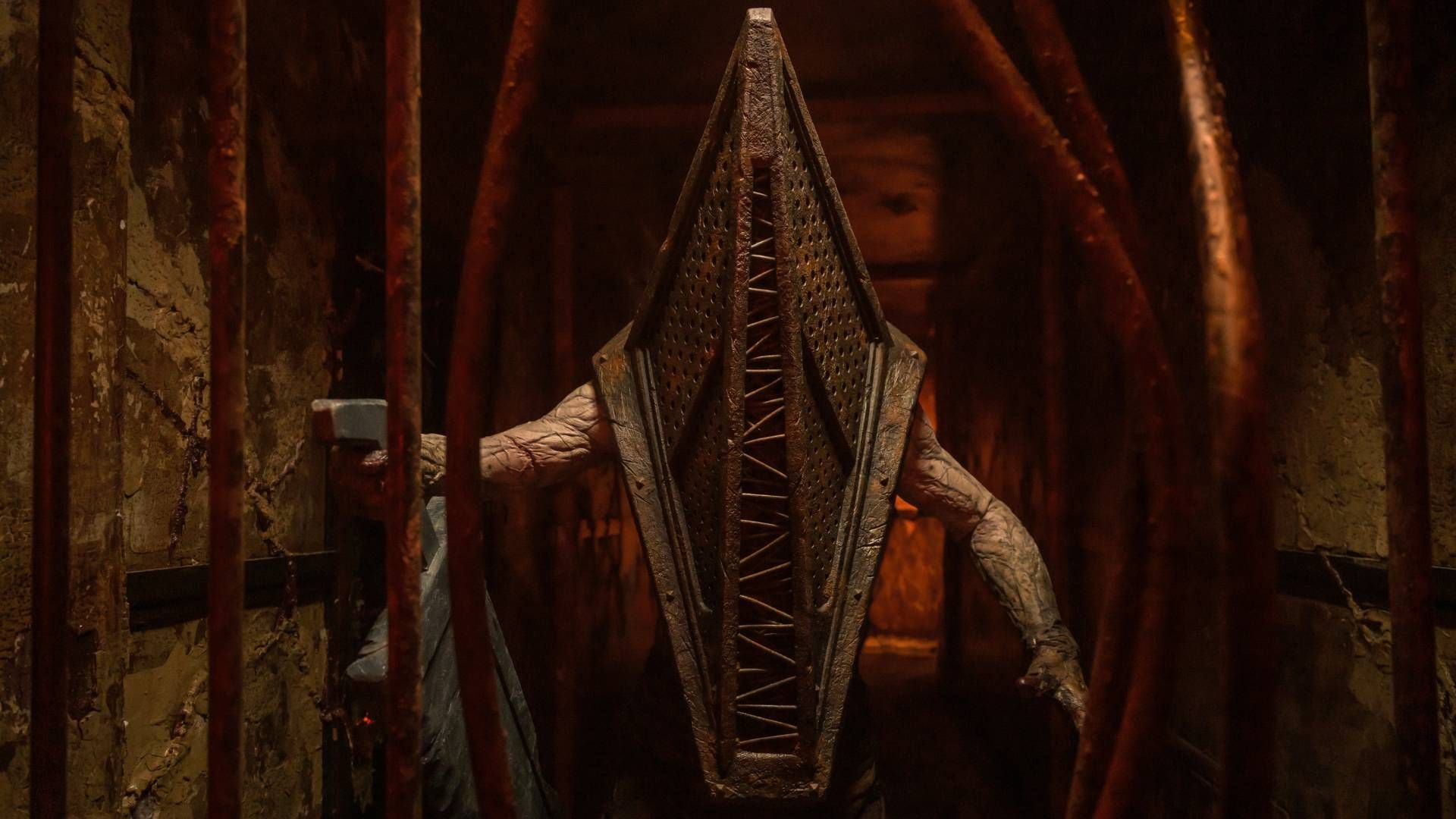
And yes, this is still Silent Hill. The creatures skulking about look wrong in the right way—off-kilter silhouettes that gesture toward human shapes before twisting into something else. Stealth and sudden violence seem to share the dance floor, suggesting you’ll toggle between slipping past threats and risking decisive bursts of aggression. But the series has always been more about interpretation than inventory. The monsters matter because of what they suggest about the person holding the flashlight. If Townfall nails that literary-through-monstrosity approach, every encounter will carry weight beyond jump scares.
Scotland is doing a lot of heavy lifting here—and that’s exciting. Horror loves specificity, and there’s rich texture in northern seaside towns: harbors where the gulls scream like broken sirens, terraces with curtains left drawn for too long, single-track roads that disappear straight into the weather. The cultural cadence of the 90s matters, too. No smartphones. No map apps. Your best tools are analog, unreliable, physical. The pocket TV becomes both a prop and a thesis: survival through interpretation. If the developers fold in local folklore—coastal superstitions, islander rituals, and the uneasy relationship with the sea—Townfall could avoid feeling like a mere “Silent Hill but over here” and instead blossom into a uniquely Scottish chapter of the series.
Tone-wise, the reveal teases melancholy more than shock. That’s encouraging. The best Silent Hill entries drip with grief and ambiguity. They linger. Townfall’s imagery—ashen skies, rain-smeared signage, cheap plastic tech that refuses to die—speaks to that slower, more contemplative flavor of fear. I’m hoping the soundtrack leans into tape hiss, seaside wind, and those dreadful high tones you only hear when fluorescent bulbs are about to give out. The series is at its best when your senses argue with each other: Is that a radio signal or a cry? Footsteps or boat ropes creaking? The presence of the TV offers a perfect pretext for audio puzzles and visual artifacts that feel baked into the world.
Of course, there are pitfalls. Set a Silent Hill game anywhere too photogenic and you risk a travelogue rather than a nightmare. Go too broad with references to the legacy titles and you end up with a museum tour of old traumas. Townfall’s task is to stay small and personal: make Simon ordinary, let the island be specific, and let the horror interrupt in ways that feel like memory glitches made flesh. If all of that coalesces, the game could deliver something we haven’t had in a while—a fog-walk that unsettles because it keeps insisting you already know why you came back.
Here’s what I’m most eager to see:
- The pocket TV as a true mechanic, not a gimmick. Let me tune, scrub, and decode under pressure. Make my successes feel earned and my mistakes costly.
- Environmental storytelling that rewards patience. Old letters, radio chatter, nautical records, weather reports—give me threads to pull that make the town feel like a real community gone sideways.
- A combat-stealth blend that feels desperate rather than dominant. Stumbles, bad footing on wet stone, the panic of reloading while a shape lurches toward you—let friction do the scaring.
- Monsters that mirror theme. If Simon’s burden is medicalized memory, or some harm done under the guise of care, then let the enemies and set-pieces echo that, not just generically disturb.
And a few careful wishes:
- Don’t over-explain. The best answers in Silent Hill arrive slantwise, nudged into your skull by implication and metaphor.
- Resist collectible clutter. The moment a nightmare becomes a scavenger hunt for trinkets, the air goes out of the room.
- Keep the 90s honest. Technology should be stubborn, interfaces obtuse, and every solution should feel like you’re coaxing a dead signal back to life.
If you’re coming to Townfall looking for a checklist of returning icons, I suspect you’ll find something stranger and more restrained. That’s a good thing. The series has always worked best when it trusts dread to do the heavy lifting and gives you just enough rope to wander into your own interpretation. A coastal Scottish setting in 1996 is a brave canvas; it invites mood over bombast, and it puts analog friction at the heart of the experience.
Silent Hill: Townfall is slated for 2026, and the early signs point to a thoughtful, slow-burn descent—one that trades malls and motels for piers and parish halls, swapping radio static for TV snow without losing the series’ spine-tingling soul. If the team sticks the landing, we’re in for a pilgrimage that feels simultaneously new and inevitable: the kind of return that only Silent Hill, wherever it manifests, can make you dread and crave at the same time.