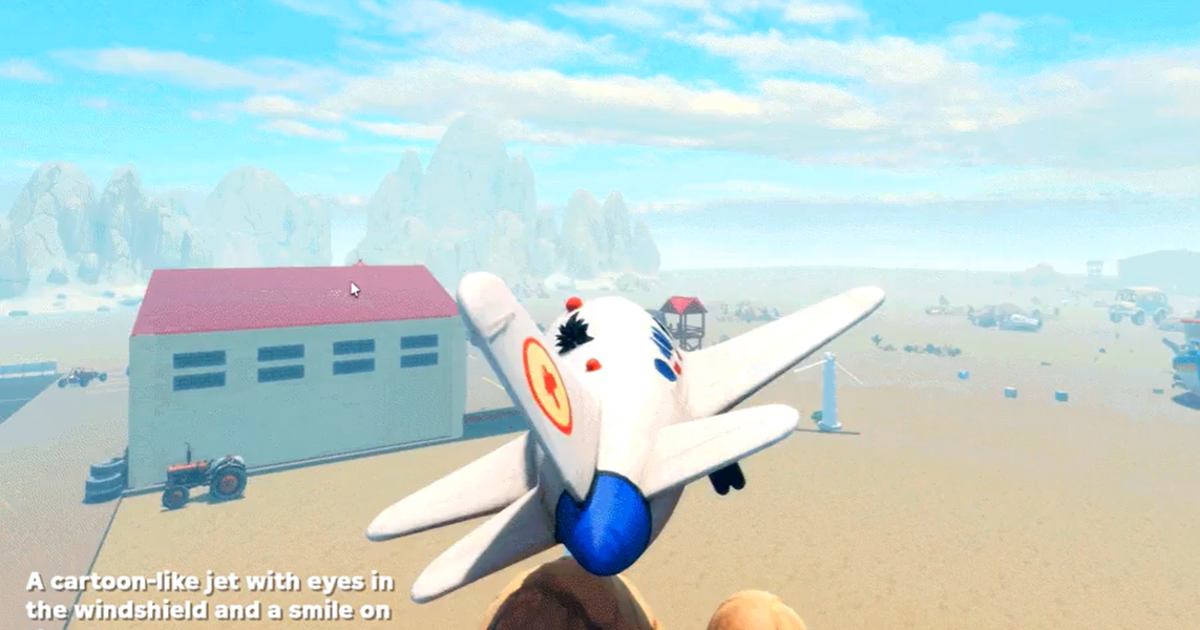
Roblox has addressed fresh scrutiny from Australian officials over child safety, reaffirming that protecting young players is an ongoing priority. The platform says it collaborates with Australian law enforcement and runs filters aimed at blocking the sharing of personal information, while continuing to expand age-based protections. Here is what sparked the latest concerns, how Roblox is responding, and what players, parents, and creators should expect next.
Australia’s conversation about kids online has accelerated, and this time it’s gaming in the spotlight. Following reports about harmful content and alleged grooming behavior on Roblox, Australia’s minister for communications and the eSafety commissioner formally asked the company to respond and outline what more it will do to protect minors. While some social apps have already seen tighter access for under-16s in Australia, the focus on Roblox highlights how game platforms are being pulled into the same safety and policy debates.
Roblox’s message back can be summed up as continuity and escalation. The company says it works closely with Australian authorities to support investigations, applies filters designed to prevent the exchange of private details, and continues to roll out guardrails that change how young users communicate and discover content. It is not a one-and-done fix but a drumbeat of incremental controls that increasingly separate how children, teens, and adults experience the platform.
To understand why this matters, it’s worth recapping the pressure points. Australian officials raised concerns tied to reports of kids encountering graphic or age-inappropriate user-generated content, along with allegations of predatory behavior within some social spaces. They also flagged the possibility of short-term regulatory steps, which could include revisiting age ratings or extending existing online safety mandates to cover more of the game ecosystem. In other words, the debate isn’t just about moderation; it’s also about whether policy should treat game platforms like social networks when it comes to youth protections.
Roblox, for its part, points to a safety roadmap that has evolved over the past year and change. Several notable changes have already landed:
- More prominent content labeling through sensitive topic tags that help set expectations before a player joins an experience.
- Stricter chat and messaging options for accounts under 13, including the removal of direct messages for the youngest users and limits on broadcast-style chat.
- A stepped-up push on age verification tied to communication features, with broader enforcement intended to separate minor-to-adult interactions and gate voice or text capabilities behind verification.
These aren’t just compliance features; they shift how the platform feels. A nine-year-old logging in today should have a materially different social layer than a verified adult. That’s the aim, at least. Effective safety, though, is never purely technical. It also relies on the messy, human side of reporting, enforcement, and community culture. Roblox says it cooperates with law enforcement and continues to refine moderation pipelines, but scrutiny from governments usually means more transparency will be expected: clearer metrics, faster response times, and visible accountability when systems fail.
For Australian players and families, the immediate question is what changes might arrive next. Depending on what the government asks for, you could see:
- Tighter age checks for chat and voice features, possibly expanding verification to more interactions.
- Revisions to how age labels or content ratings are displayed inside the app and in storefronts.
- Stricter defaults for young users, such as locked-down friend requests, more limited discoverability of social hubs, and curated content carousels.
- Additional friction for players joining experiences with user-to-user commerce, voice chat, or mature themes.
Creators should also pay attention. If the classification landscape shifts, experiences might need clearer content descriptors, and studios may have to segment their games into age-appropriate lobbies or servers. That can affect matchmaking logic, monetization funnels, and even how community events are run. More stringent safety reviews could slow down updates or require proof of moderation workflows, but they can also build trust with families and schools—an audience that often drives long-term growth on Roblox.
While policy debates unfold, there are practical steps everyone on the platform can take right now.
For parents and carers:
- Set up and lock parental controls, including account PINs, age-appropriate privacy settings, and spending limits.
- Keep private servers friends-only and review friend lists regularly.
- Turn off voice chat for younger players and restrict who can message or invite them to experiences.
- Talk openly about off-platform red flags: never sharing real names, schools, or locations, and ignoring requests to move to other apps.
For players:
- Keep DMs closed to strangers and be cautious of friend requests from users you don’t recognize.
- Use the report and block tools quickly if someone acts inappropriately or tries to pull you into off-platform chats.
- Avoid trading personal info for virtual goods, boosts, or invites; if it sounds too good to be true, it probably is.
- Stick to experiences from trusted creators and check the content tags before joining.
For creators:
- Apply accurate content tags and consider age-segmented lobbies to reduce risk.
- Use safe defaults: opt-in voice, stricter chat filters, and impactful but non-exploitable social rewards.
- Provide clear in-game reporting options and onboarding messages that remind players of safety norms.
- Audit your moderation queue: response times, escalation paths, and how you handle repeat offenders.
The bigger picture is that games are now full-fledged social spaces. Players aren’t just speedrunning obstacle courses or decorating tycoon islands—they are chatting, trading, streaming, and forming communities. That social layer is what makes platforms like Roblox vibrant, but it is also where harms can arise if protections lag behind how people actually play. Safety features that differentiate age groups, curb unwanted contact, and block personal info are the baseline. The next step is making them predictable, transparent, and easy to use without killing the spontaneity and creativity that make Roblox, well, Roblox.
There are still open questions. Will Australia push for harder identity checks for minors, or focus instead on product design and default settings? Could Roblox’s classification shift in a way that changes its store presence or parental expectations? And how will the company publish meaningful data so families can see whether reported issues are declining and how quickly moderators act? Each of these choices affects trust—and trust is currency in a platform built on user-generated content.
For now, Roblox’s stance is that safety is never finished, and the platform will keep iterating on protections while working with Australian authorities. That is the right tone, but results are what matter. If we start to see faster interventions, clearer content labels, and fewer pathways for bad actors to reach kids, the community will feel the difference. Until then, informed settings, smart defaults, and a healthy dose of player awareness remain the most reliable power-ups we have.