Poppy Playtime: Chapter 5 finally has a name and a date. Broken Things lands on PC on February 18, 2026, with console versions slated to arrive in the following months. A new cinematic tease puts Experiment 1006, The Prototype, center stage—hinting at a brutal, manipulative antagonist, fresh GrabPack tools, twisted puzzles, and a new wing of the factory crawling with hostile toys. If you’ve been waiting to see where Playtime Co.’s darkest secrets lead, the endgame is in sight.
The subtitle Broken Things says a lot without spelling anything out. Across the series, we’ve scavenged through a dead factory, stitched together the backstory piece by piece, and narrowly escaped mascots warped by grief, greed, and experimentation. “Broken” could mean fractured toys, shattered bodies, or splintered loyalties—but it also feels like a mission statement for Chapter 5’s core theme: confronting the mastermind who disassembled both people and puppets, then tried to make them “better.”
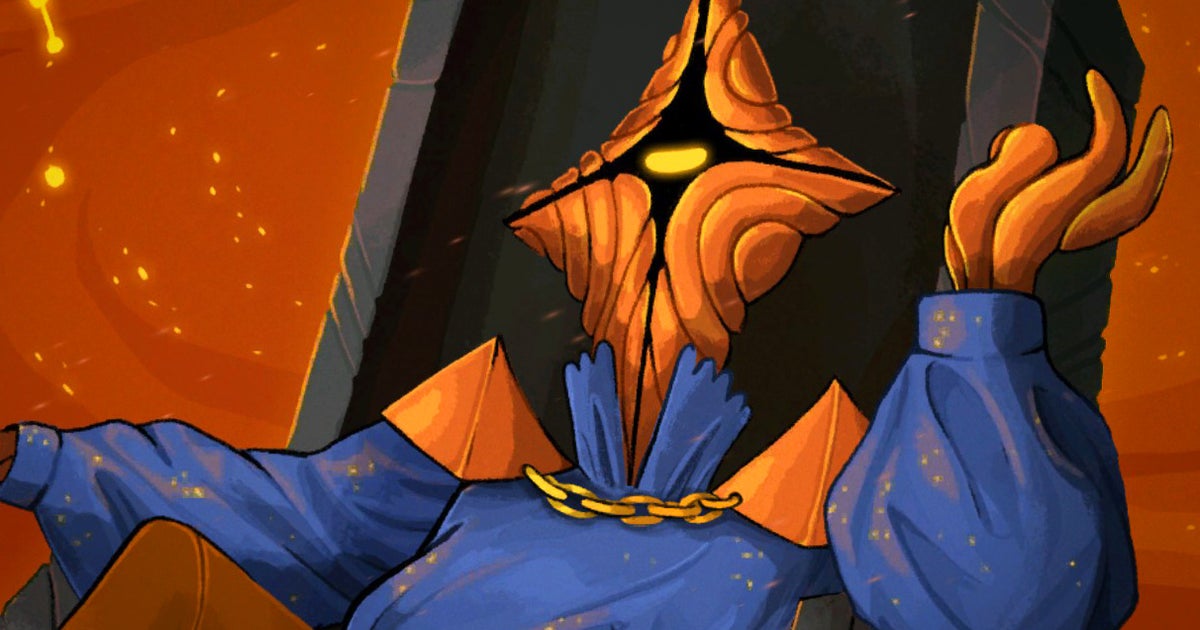
The tease puts The Prototype at the heart of it all. Experiment 1006 has always been the series’ most ominous presence—more whisper than entity, more claw than character. Here, it’s shown stalking through a lab, surveying scraps like a puppeteer contemplating strings. That imagery suggests a final chapter where 1006 isn’t just hunting you; it’s engineering the encounter on its terms. Expect moments where rooms rearrange, doors lock behind you, or the factory itself behaves like a living trap. It wouldn’t be surprising if the Prototype fights with pieces of other toys, fashioning makeshift minions or building hazards on the fly.
New tools and puzzles are basically a given at this point, and Broken Things is poised to double down on both. Each chapter has evolved the GrabPack’s role—from simple reach mechanics to electricity rerouting to traversal, stealth, and timing challenges. If the teaser’s tone is any hint, Chapter 5 will test multi-step puzzle chains in hostile spaces. Picture rewiring power across multiple floors while an automated shredder cycles behind you, or timing conveyor belts while avoiding a patrolling creation stitched from spare parts. There’s a good chance we’ll see a new GrabPack module that emphasizes assembly or disassembly—maybe a magnet, a clamp, or a cutter that interacts with locks, panels, and, yes, dangerous toys.
On the combat-adjacent side, Poppy Playtime has never been an action series, but the encounters keep pushing close to the edge of panic. Expect “environmental combat” where you win by pulling levers, dropping barriers, or causing malfunctions. A tense chase through a defunct assembly line would fit perfectly, forcing you to break your own path forward while something faster than you follows the sound of every clanking step.
Broken Things also promises fresh corners of the factory—spaces we’ve heard about but never fully explored. A lab wing focused on prototyping wouldn’t be complete without test chambers, storage vaults of rejected toys, and a showroom that was never meant for the public. Keep an eye out for rooms full of “nearly there” inventions: GrabPack prototypes with short lifespans, half-finished mascots whose behaviors are all bug and no feature, and archive terminals that finally fill the lore gaps. The best reveals in Poppy Playtime happen in the margins—in a tape you almost missed, in a scribbled note under a desk, in a piece of dialogue that reads one way until you hear a line two chapters later. Chapter 5 is likely to reward lore hounds who stop to listen before they run.
For longtime fans, the timeline is reassuring. PC gets the game first in February, and console players will follow in the months after. That lines up with how the series has rolled out before, and it usually means the studio can surprise-patch early issues and deliver a more polished console build. If you’re on controller, cross your fingers for tighter dead zones, better vibration cues in chase segments, and clean remapping options—chase sequences live or die on responsive inputs.
Speaking of polish, here’s a realistic wishlist for launch:
- More flexible checkpoints. Let near-miss moments feel thrilling, not punishing, by avoiding long backtracks after a slip.
- Clear audio mixing. The series uses directional sound brilliantly; a little more separation between music, monster cues, and puzzle states would help players parse information under stress.
- Accessibility toggles. Options like chase-assist, puzzle hints that ramp in gradually, and high-contrast outlines for interactables would bring more players into the fold.
- Optional recap. A short “Previously at Playtime Co.” reel in the menu could jog memories without forcing a replay.
Story-wise, Broken Things is the showdown chapter. We’ve met plenty of monsters, but Chapter 5 is about the monster who makes monsters. Expect morally messy revelations: who signed off on what, why certain experiments were allowed to continue, and how the Prototype stepped out of the blueprint and into the hierarchy. It wouldn’t be shocking if the game puts you in situations where “fixing” something makes it worse, or where the path forward requires you to dismantle what little innocence remains. The title suggests that not everything can be repaired—and that the Prototype’s philosophy is the ultimate expression of that cynicism.
If you’re prepping a replay, here’s a quick checklist:
- Revisit every tape and note. There are threads about failed tests, leadership shake-ups, and toy behavior quirks that are likely to pay off now.
- Practice the movement language. Success often comes from knowing how far a grab can reach, how quickly you can snap lines together, and how to chain actions while running.
- Tweak brightness and audio. These games love shadows and sudden stingers. Dialing in your setup can mean the difference between guessing and knowing.
- Refresh on character motives. Poppy, Kissy, and the rest each frame the company’s sins differently. Their perspectives might guide how the finale frames choice and consequence.
The franchise’s expansion beyond games is also worth noting. With a film project in development, Chapter 5 could set the tone for how Poppy Playtime’s world translates to other mediums. Don’t be surprised if Broken Things refines the series’ visual language—iconic spaces, memorable silhouettes, and a clearer throughline for who the real villain is and why their philosophy is so seductive and dangerous.
Above all, the Prototype needs to feel inevitable. The best finales don’t just throw a bigger monster at you; they pay off the little fears that have been following you since the first hallway. A perfect endgame encounter would force you to use every tool you’ve learned, reverse the factory’s tricks, and outthink a predator that assumes you’re just another part to be rearranged. Victory shouldn’t feel like dominance; it should feel like finally stepping out of a machine that’s been taking you apart since you pressed New Game.
February 18 can’t come soon enough. Broken Things looks like a culmination of everything Playtime Co. does best: unsettling art direction, mean-spirited puzzles, claustrophobic chases, and lore that whispers while you’re trying not to breathe too loud. If the teaser is any indication, Chapter 5 won’t just ask what got broken—it will ask whether anything that made this place possible was whole to begin with.