Phantom Blade Zero Hands-On: Soulslike Vibes, Faster Combat, Less Punishing

Phantom Blade Zero looks like it’s brushing shoulders with the Soulslike genre, but after some hands-on time, the real story is how differently it actually feels in motion. While it borrows the moody atmosphere, dangerous enemies, and imposing boss encounters that fans of dark fantasy action RPGs will instantly recognize, it swaps out the genre’s slower, harsher rhythm for something much more fluid and approachable. The result is a stylish action game that still demands focus, but doesn’t seem as interested in crushing the player’s spirit along the way.
There’s a certain kind of tension that comes with any game that even vaguely resembles a Soulslike. For a lot of players, that’s exciting. For others, it’s a warning label. Phantom Blade Zero sits in that fascinating middle ground where the first impression suggests one thing, but the actual experience starts telling a different story the moment combat begins.
At a glance, this game absolutely gives off Soulslike energy. The environments are dark and dramatic, the enemies look like they mean business, and the boss arenas feel designed to test your nerves. You move through bleak fantasy spaces, sizing up threats and waiting for the next ugly monster or oversized brute to step into your path. If you’ve spent any time around games inspired by Dark Souls, Bloodborne, or Elden Ring, the vibe is immediate and unmistakable.
But then you start fighting, and that comparison begins to loosen.
Instead of emphasizing slow, methodical duels where every button press feels like a life-or-death commitment, Phantom Blade Zero leans into speed, movement, and style. Combat is still reactive, with dodges and parries playing an important role, but it also encourages aggressive combo chains and flashy finishers that make encounters feel more expressive than punishing. It’s less about cautiously poking at an opening and more about finding a rhythm, staying mobile, and turning defense into momentum.
That difference matters a lot.
For players who admire Soulslikes from a distance but bounce off their brutality, Phantom Blade Zero could be a welcome change. It seems to understand that challenge doesn’t always have to come packaged with exhaustion. You can die, learn, adjust, and push forward without every fight turning into an endurance test. That makes the game feel inviting in a way many dark fantasy action RPGs simply do not.
And that’s not to say it’s easy. From all impressions, Phantom Blade Zero still expects the player to pay attention. Bosses hit hard, enemy patterns still matter, and careless play can absolutely get you wrecked. But the difficulty appears to come from engaging with a dynamic combat system rather than being forced into punishing repetition. There’s a huge difference between a game asking you to improve and a game making you feel unwelcome until you do.
One of the most exciting parts of this hands-on impression is how much the game’s setting seems to benefit from that more accessible combat flow. Phantom Blade Zero’s world, framed with wuxia influence and what the developers have described as a kind of kungfupunk style, sounds like a major draw in its own right. That blend of historical inspiration, mythic flair, and dark fantasy atmosphere gives the game a distinctive identity in a crowded genre space.
It also helps that the action appears to support the fantasy rather than interrupt it. In many punishing RPGs, the world can be mesmerizing, but repeatedly slamming into a difficult boss can create a wall between the player and that sense of discovery. Here, the pace seems better suited to keeping players immersed. You’re not just surviving encounters to reach the next interesting bit of lore or visual storytelling. You’re actively enjoying the path there.
That could make Phantom Blade Zero especially appealing to players who love the aesthetic and narrative ambitions of Soulslikes, but don’t necessarily want to dedicate themselves to the genre’s harsher design traditions. There’s clearly still overlap in DNA, but this feels more like an action RPG using a familiar visual language than a strict attempt to follow the same blueprint.
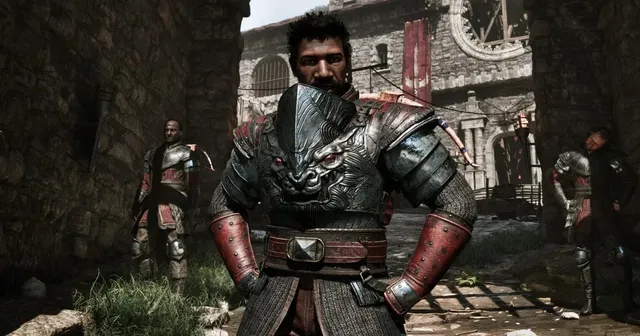
The boss design also sounds like a highlight. One standout encounter involved a hulking enemy called Coppermaul, and even from description alone, it’s the kind of grotesque, memorable character action fans tend to love. Big weapon, intimidating presence, weird silhouette, dramatic showdown, it checks all the boxes. More importantly, defeating that kind of boss seems to deliver satisfaction without pushing the player into total burnout.
That balance might end up being Phantom Blade Zero’s biggest strength.
There’s a huge audience of players who want rich worldbuilding, striking art direction, and cinematic boss fights, but don’t necessarily want every encounter to feel like a final exam. If Phantom Blade Zero can consistently deliver stylish combat, meaningful challenge, and a less punishing progression loop, it may carve out a very comfortable lane for itself.
In a market full of games trying to prove how merciless they can be, there’s something refreshing about one that appears more interested in momentum, expression, and fun. It doesn’t need to completely reject the Soulslike comparison to stand out. In fact, part of its appeal may come from how close it gets to that formula while still being willing to bend it.
Based on this early look, Phantom Blade Zero feels like it could hit a sweet spot many players have been waiting for: a dark, stylish action RPG that captures the tension and spectacle of the genre without demanding absolute suffering as the price of admission. If that promise holds up in the full release, this could end up being one of the most interesting action games on the horizon.