Nexon is turning a massive win into momentum. After Arc Raiders surged past 12.4 million copies sold since its October launch—making it the company’s most successful global release—Nexon is actively courting more partnerships with Western studios. The company’s leadership points to rising awareness in North America and Europe, a willingness to make selective, deeper bets, and a pragmatic approach to AI that aims for efficiency without sidelining human creativity. Here’s what that means for players, developers, and the future of big-budget live games.
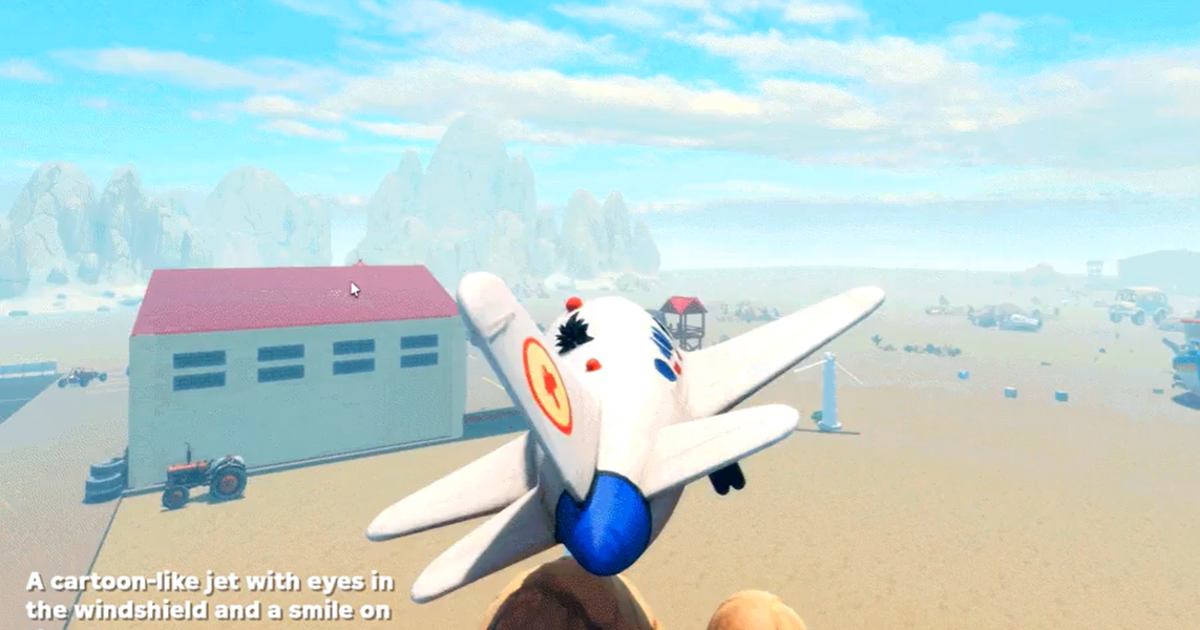
Arc Raiders changed the conversation Arc Raiders, Embark Studios’ extraction-focused shooter under Nexon’s umbrella, has transitioned from a promising concept to a full-blown commercial hit. By the company’s count, it has sold over 12.4 million copies since October, with more than 2.4 million of those arriving in the first stretch of 2026. Beyond the headline number, two signals stand out:
- It’s Nexon’s most successful global launch to date, indicating resonance well beyond its traditional strongholds.
- It’s a public proof point for Nexon’s newer publishing model with Western partners, underlining that global-first launches can deliver outsized returns.
This success is more than a milestone; it’s a template. When a publisher gets a breakout like this, it reorients strategy, budgets, and recruiting efforts around replicating the playbook.
Why Western partnerships are back in focus Nexon’s leadership is positioning the company to do more with developers in Europe and North America. There’s a surge of inbound interest following Arc Raiders’ performance, and it’s not hard to see why: Western teams building PVP-forward, systems-driven, live-ready games are increasingly the engine of global hits.
But this isn’t a volume play. Nexon is signaling a selective, long-term approach:
- Fewer simultaneous investments, deeper commitment to each.
- A focus on teams with proven craftsmanship and the ability to scale operations.
- Building pipelines and launch strategies that can sustain momentum past day one.
If you’ve been watching the industry, you know this runs counter to the scattershot “fund everything” phase we saw a few years ago. The emphasis here is on mutually beneficial relationships where publishers bring marketing, live ops, and infrastructure muscle, while studios retain creative identity.
The cost reality: commitment over dabbling One reason for the careful approach is straightforward: building in the West is expensive. Labor and development costs are materially higher than in many Asian territories, and pushing a global live game means heavy ongoing investment—anti-cheat, server stability, seasonal content, and community management across multiple regions.
Rather than spreading bets thin, Nexon is telegraphing a strategy of concentration. That’s good news for a select set of studios that want a partner willing to weather the long tail: live balancing, monetization experiments, cross-play support, and discovering what keeps retention healthy month six, not just week one.
AI as a tool, not a replacement Nexon’s leaders have also been candid about AI. The stance is pragmatic: use AI to increase development efficiency, particularly on repetitive or time-consuming tasks, without reducing the importance of human talent. Arc Raiders even incorporated AI-generated voices, which sparked community debate—yet the game’s success shows that when used thoughtfully, AI can fit into modern pipelines without overwhelming the human creative core.
Still, there’s awareness that many players are wary of AI’s growing presence. The message from Nexon is that player sentiment matters. If users don’t see value—or feel authenticity is at risk—no amount of backend efficiency will save a game. In other words, feedback loops, transparency, and human-led design remain non-negotiable.
What this means for players For players, more Western partnerships often translate into:
- Stronger regional support and better live ops alignment with Western play patterns.
- Launches that feel “global on day one,” with localized community beats and platform parity.
- Faster iteration in response to feedback, because publishers and developers are co-located or at least culturally aligned on communication cadence.
If Nexon scales this model, expect more betas, clearer roadmaps, and a steadier cadence of seasonal content. Arc Raiders’ trajectory suggests a willingness to keep investing post-launch, which is exactly what live games need to thrive.
What this means for developers For Western studios weighing their options, here are the takeaways:
- Selective is good. A partner focusing on fewer teams often means deeper resources, faster approvals, and better marketing priority.
- Be live-ops ready. The studios that fit best will have robust pipelines for content drops, telemetry-driven balancing, and live event design.
- Align on culture early. Clarify expectations around creative control, monetization philosophy, and community engagement, especially in regions with different player norms.
- AI expectations are evolving. If you’re using AI, build with transparency and be prepared to show the human craftsmanship at the heart of your work.
Industry context: lessons from past expansions We’ve seen other Asian giants ramp up Western investments only to pull back when returns didn’t meet expectations. The lesson isn’t “don’t expand”—it’s “expand with intent.” Nexon’s stated plan to commit to fewer, higher-conviction partnerships is an attempt to dodge the churn and burn that can follow scattered bets. If that discipline holds, the result could be fewer cancellations and more games getting the time they need to find product-market fit.
The Arc Raiders effect: a repeatable framework? One hit doesn’t guarantee another, but it provides a toolkit:
- Pre-launch momentum via clear genre positioning and social-ready moments.
- Cross-region operational readiness: servers, anti-cheat, and customer support on day one.
- A feedback-led post-launch road map that prioritizes retention over one-time spikes.
If Nexon can package these learnings and bring them to a new wave of Western studios, we might see a portfolio of titles that share common DNA without feeling homogenous.
What to watch next
- New partnership announcements focusing on experienced Western teams in shooter, co-op, and action-survival spaces.
- Hiring patterns in live ops, backend engineering, and community management across Western hubs.
- AI usage disclosures that prioritize clarity and player trust, especially for audio and content generation pipelines.
- Post-launch support commitments that extend beyond the typical first season.
Final thoughts Arc Raiders’ breakout performance is more than a sales stat; it’s a strategic pivot point. Nexon is leveraging the moment to deepen ties with Western developers, bet bigger on fewer teams, and evolve production with AI in a way that supports creators rather than replacing them. For players, that likely means more globally tuned live games with stronger support. For studios, it’s an opening to partner with a publisher that’s signaling patience and conviction in a market that often lacks both.
If Nexon can keep balancing efficiency with craft—and keep listening to players—it won’t just be chasing the next Arc Raiders. It’ll be building a repeatable path to global hits in an industry that desperately needs steadier wins.