MindsEye is gearing up for one of its boldest updates yet: a new story mission called Blacklist that, according to the studio’s leadership, will share evidence tied to alleged launch-period sabotage—while authorities in the UK and US look into those claims. It’s an unusual crossroad where a game update, a studio’s ongoing narrative, and a very real investigation intersect. Here’s what players can expect from Blacklist, what the studio is saying about the probe, and how this all shapes the road to MindsEye’s relaunch.
The Blacklist pitch: narrative, receipts, and a new playable lead
Blacklist is poised to be more than another mission drop. From what’s been shared publicly, the team intends to use it as a narrative vehicle to surface some of the evidence behind the alleged interference that surrounded the game’s launch. That alone makes it one of the more unconventional updates in recent memory—few studios attempt to reckon with behind-the-scenes drama from inside their own game.
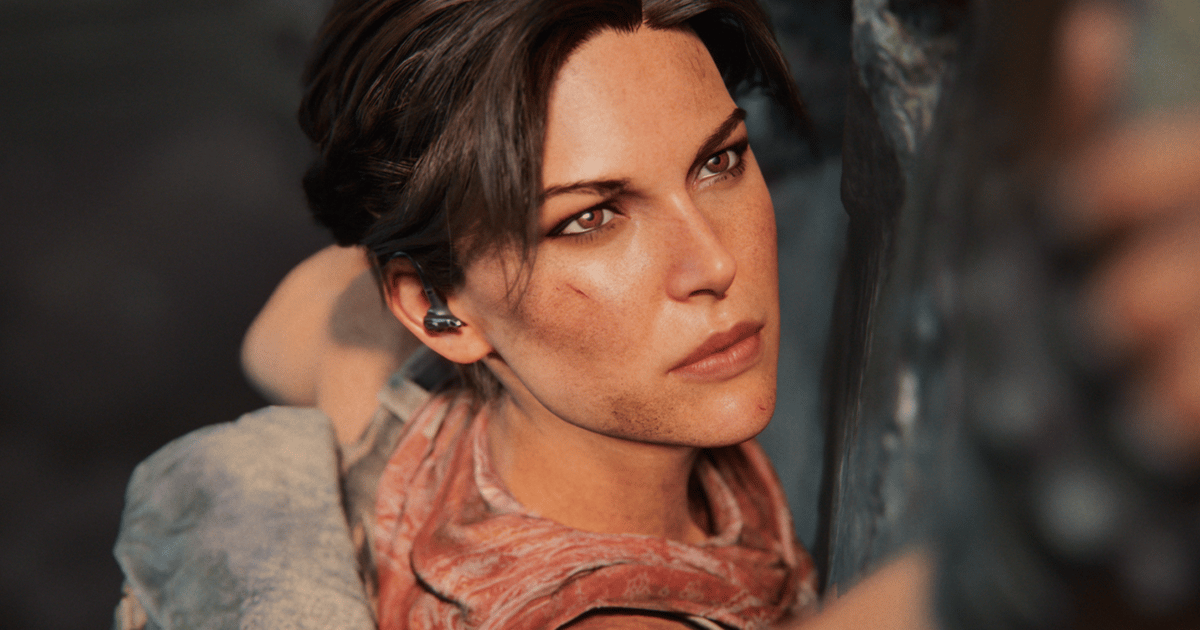
Gameplay-wise, Blacklist is framed as a spy-flavored mission and will include a playable female character. That detail isn’t just flavor: a fresh protagonist opens up new perspectives, stealth or gadget-driven mechanics, and the chance to re-tune mission pacing. If the team leans into the thriller angle, expect intel-gathering beats, social infiltration sequences, and a few mechanical twists that favor planning over brute force.
While specifics are under wraps, the studio has hinted it wants players to “piece things together,” which suggests collectible evidence, optional objectives, or environmental storytelling that rewards exploration. If MindsEye’s strengths—cinematic staging and slick traversal—are brought forward, Blacklist could feel like a stealth-forward counterpoint to the game’s flashier set pieces.
A sensitive balancing act
There’s no way around it: baking real-world allegations into a playable mission is tricky. The studio has described ongoing investigations on both sides of the Atlantic, and leadership has said relevant authorities are now handling next steps. For players, the operative detail is that the game’s presentation will likely keep things grounded in what can be responsibly shared without compromising an active probe.
That means Blacklist may focus on pattern-based storytelling—timelines, suspicious disruptions, and in-universe analogs—rather than naming and shaming. If done with restraint, it can set context and offer closure without veering into speculation. The key will be clarity: making sure players can tell what’s claimed, what’s documented, and what remains under investigation.
What this means for the community
When a studio “owns the narrative,” it can rally a community that’s been left guessing. For fans who stuck around through a bumpy launch, Blacklist doubles as a status update and a content drop—story catharsis meets gameplay refresh. For skeptics, it’s a rare chance to see a developer publicly engage with the why behind technical hiccups, server issues, or oddities from the rollout period.
Most importantly, Blacklist can reset expectations. If it lands with solid design, clean performance, and a measurable upgrade to stability, it becomes a trust marker: a sign that the team’s pipeline is steady and the worst is behind them.
Multiplayer on the horizon
Alongside Blacklist, the studio has been talking up a multiplayer-focused update. That pairing makes sense. Story content brings people back; multiplayer keeps them around. The ideal sequence is clear: win back goodwill with a strong narrative mission, then onboard players into co-op or competitive modes that showcase refined netcode and content cadence.
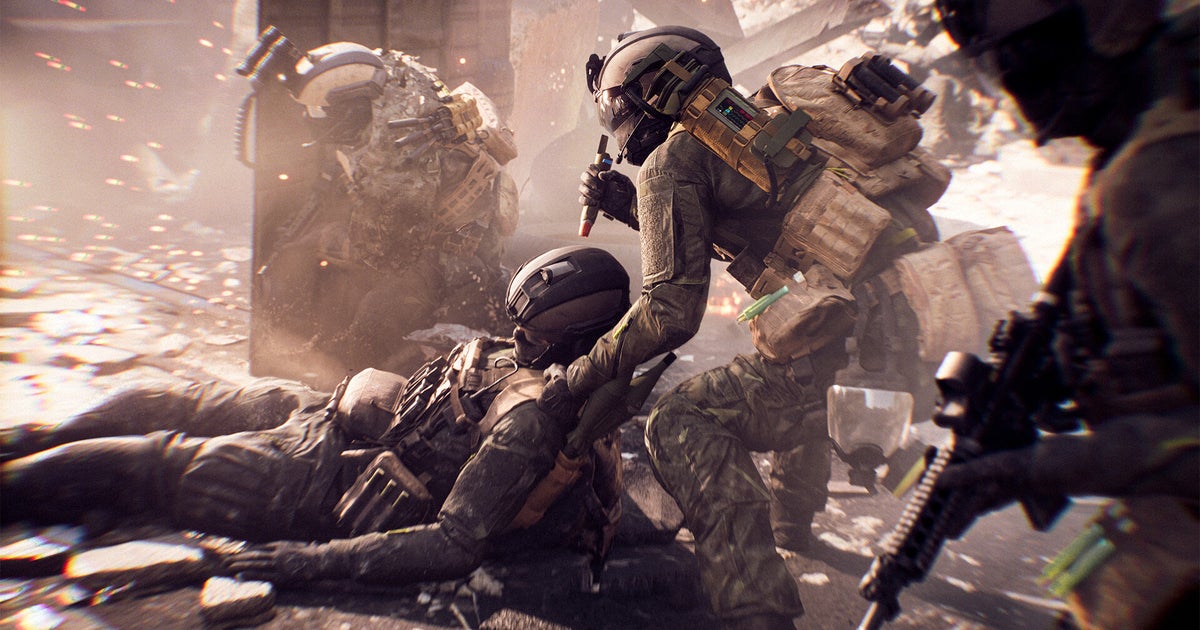
If the multiplayer update introduces fresh modes or co-op heists with layered objectives, MindsEye could lean into its strengths—tight encounters, slick gadgets, and set-piece coordination—while reinforcing the social glue the game needs long-term.
Inside the studio: cuts, comebacks, and course correction
The team behind MindsEye has been through major changes. Following earlier rounds of layoffs, the studio is reportedly contracting from a mid-sized team to a leaner core group. That hurts in the short term—fewer hands means tougher prioritization—but it can also bring sharper focus if leadership aligns around a realistic roadmap.
There’s also leadership movement: the studio’s founder has returned from a break and is said to be working closely with the team on that roadmap. For players, this matters less as a personnel headline and more as a signal of accountability. A stable vision at the top tends to translate to clearer patch notes, consistent tuning, and predictable release windows.
The canceled crossover chatter
You may have seen reports that an earlier crossover concept was shelved and that Blacklist borrows some of that mission DNA. If true, expect purposeful stealth beats, cleaner mission flow, and a premium on level readability—the sort of design that benefits infiltration fantasies. Repurposing content isn’t a downgrade if it’s recontextualized well; it can actually yield tighter encounters, because iteration time shifts from building to polishing.
What to watch for when Blacklist drops
- Mission structure: Look for layered objectives and optional intel paths that reward patient play.
- Evidence handling: Pay attention to how the mission distinguishes claims, records, and in-world simulation. Clear labeling and codex entries would go a long way.
- Performance: Stability and load times will be read as a health check of the entire relaunch effort.
- Quality-of-life: Expect UI refinements, better checkpointing, and more transparent difficulty scaling if the team is aiming for a clean slate.
For returning players
If you bounced off at launch, Blacklist is a logical reentry point. Start fresh, replay a core chapter to reacquaint yourself with movement and tools, then hit Blacklist and judge the game on present-day merits. If the mission sticks the landing—tight design, steady frames, fewer hitches—it’ll make the case that the relaunch is more than a marketing beat.
Final thoughts
Blacklist is an audacious move: a story mission that doubles as a window into a studio’s most turbulent chapter, arriving alongside a renewed push toward multiplayer. The stakes are high, but so is the potential payoff. If MindsEye can convert controversy into clarity—and pair that with tangible improvements in performance and playability—it could transform a fractured launch into the first chapter of a steadier second act.
Whether you’re a diehard who never left or a skeptic waiting for proof, keep an eye on how Blacklist frames its evidence, how it plays, and how the next update follows through. In the end, the best vindication for any game is simple: make it fun to play, and make it work, every time you boot it up.