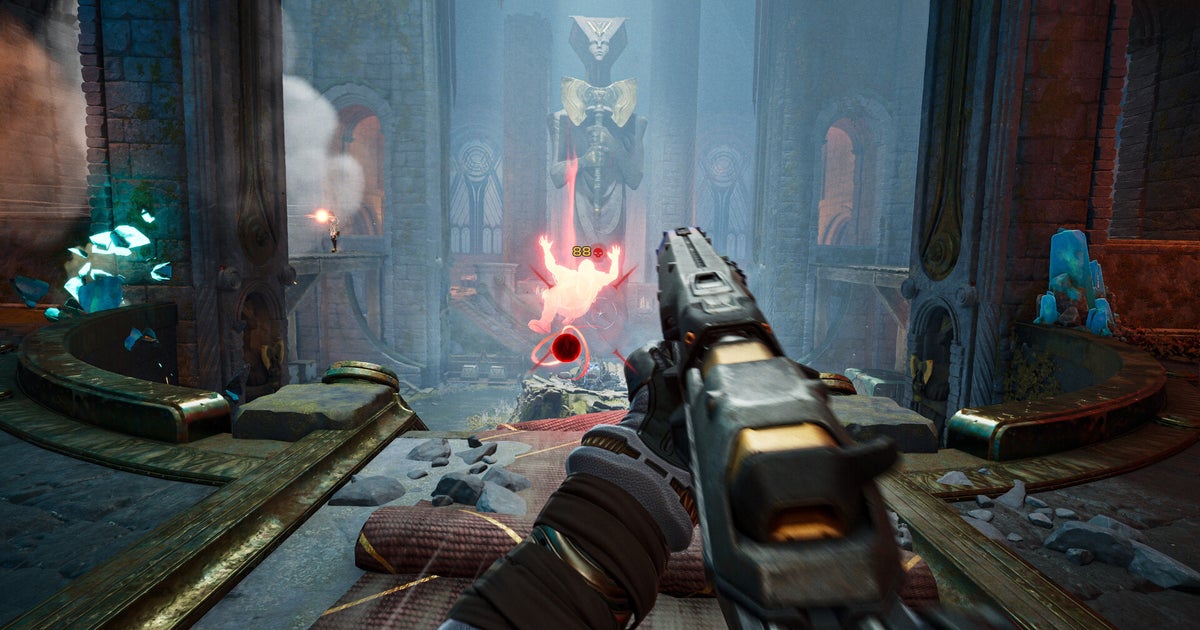
Marathon’s latest server slam shows clear progress: movement and gunplay feel tighter, extraction runs create real tension, and the world has a stronger identity than early tests suggested. But three pain points keep tripping up the fun—an overstuffed UI, overbearing bots, and a stingy ammo economy. This piece breaks down what’s working, what isn’t, and how a few targeted changes could transform a promising test into a can’t-put-down shooter.
The Good News First: It Feels Closer to the Vision
Let’s give credit where it’s due. Core handling has sharpened up. Sprinting and sliding flow better into gunfights, mantling feels more reliable, and weapon feedback is meatier. You can sense the intended loop forming: drop in, scout, skirmish, grab value, choose your exit, and gamble on pushing deeper. The risk-reward pitch is finally coming across more often than not, and that’s a huge step for any extraction shooter.
Audio queues are more readable too. Footsteps in adjoining structures, distant gunfire, and the telltale zipper of a zipline create a real sense of proximity and danger. Even when the lobby doesn’t devolve into nonstop PvP, tension hangs in the air because you can tell someone is always nearby.
Performance-wise, the build seems better optimized than earlier hands-ons. While your mileage will vary, it’s fair to say the foundation is steadier than it used to be. The frame pacing isn’t perfect and some players are calling out mouse input inconsistencies, but the floor is higher.
So why doesn’t the experience consistently pop? Three culprits keep stepping into the spotlight.
UI and Menu Overload
The UI is trying to do everything at once—present your loadout, goals, currencies, modifiers, extraction bonuses, contracts, and more—while maintaining a slick sci-fi vibe. The result can be information overload. There’s a middle ground between minimalist opacity and spreadsheet sim, and Marathon hasn’t landed there yet.
What would help:
- Clear hierarchies: Prioritize mission-critical info (current objective, squad status, extraction status, nearby threats) with bigger type and bold iconography.
- Contextual surfacing: Bury nonessential stats a click deeper. Keep the operable layer lean while maintaining depth for those who want to dig.
- Consistent terminology: Use the same names for systems and resources across tooltips, menus, and notifications to avoid cognitive friction.
- Input-first navigation: Streamline focus states for both controller and mouse. Too many horizontal carousels and nested panels slow down readiness between raids.
A cleaner UI won’t just be “nice to have.” In an extraction shooter, mental bandwidth is part of the challenge. When you’re spending it wrestling menus, you’re not spending it outplaying another squad.
PvP Density vs. Bot Pressure
Here’s the paradox: plenty of players want more PvP fireworks, yet many matches end with squads getting shredded by AI before they ever cross paths. The bots are dangerous, and that’s not inherently bad—smart PvE pressure can force squads into fights and generate emergent chaos. But the current tuning can smother the loop instead of stirring it.
Adjustments that could fix the balance:
- Spawn pacing and clustering: Fewer early bots with better pathing toward high-value zones would push teams together. Let PvP breathe in the first few minutes, then escalate PvE to funnel action.
- Role-based bot behavior: Mix patrol units, ambushers, and area denial types. The goal is to create tactical puzzles, not just bullet-sponge gauntlets.
- Audio telegraphing: Make bot aggro and reinforcement cues slightly louder and more distinct. Clear tells let teams decide whether to engage or detour.
- Dynamic scaling: If two squads collide and escalate, temporarily reduce bot spawns in that pocket to let the player-versus-player drama play out.
Keep the bots lethal, yes, but ensure they’re accelerating conflict rather than preempting it.
The Ammo and Healing Squeeze
Scarce resources are a pillar of extraction design, but right now the economy leans from tense into punitive. Running dry in the midgame is common, and when you do find ammo or meds, the prices early on can choke momentum. That scarcity slows PvP frequency because squads disengage and hide rather than take fights they can’t afford.
Potential levers to pull:
- Smarter drops: Let certain bot archetypes reliably drop low stacks of ammo or a single-use heal. Not a shower of loot—just enough to keep the chase alive.
- Incremental armory pricing: Introduce early discounts on baseline consumables, then ramp prices with progression to protect the endgame economy.
- Perk-based sustain: Tie modest ammo-on-kill or med efficiency perks to early faction rewards so new players feel empowered within a few sessions.
- Cache breadcrumbs: Spawn lightly guarded micro-caches that replenish one magazine or a small heal, signposted by subtle audio or light cues. These become hotspots that also naturally drive PvP.
With these tweaks, scarcity becomes a tension engine instead of a brake pedal.
Input and Performance Notes
On PC, some players report intermittent input latency and micro-stutter during hectic firefights. It’s the kind of thing you might not notice in a PvE game but feels glaring in PvP. Quick wins could include:
- A low-latency input toggle that trims post-processing at the cost of visual flair.
- Expanded sensitivity and acceleration curves, especially for ADS scaling.
- A “performance-first” preset that dials back CPU-straining effects and heavy shaders in one click.
Even if you personally haven’t hit these snags, tightening responsiveness pays dividends across the entire player base.
What’s Clearly Working
- Movement is snappy without feeling floaty.
- Audio does heavy lifting for information and atmosphere.
- The extraction pacing finally sparks that “one more run” compulsion.
- Gunfeel is closer to satisfying than it’s ever been in prior tests.
These are the bones you want before launch—because they’re the hardest parts to retrofit.
The Short List Before the Next Test
If I could put a sticky note on the next build, it would read:
- Simplify the UI pass, with a focus on readability and consistency.
- Reduce early bot pressure, escalate later, and tune for PvP funneling.
- Loosen the ammo and healing choke just a touch, especially for early progression.
- Ship an input-latency-oriented performance preset for PC.
Hit those, and the game’s day-to-day loop will better match the strong foundation already in place.
Tips for New Runners During the Slam
- Pick your fights. If you burn half your ammo on a bot wave, you’re signing a blank check when a squad shows up.
- Sound is your sixth teammate. Use short bursts, quick reloads, and listen for ziplines and doors.
- Rotate with intent. Move toward likely extraction routes after any big engagement; that’s where the action—and opportunity—lives.
- Carry a backup weapon that uses a different ammo type. It buys you a second wind mid-raid.
- Don’t hoard forever. A clean extraction with modest loot is better than a heroic wipe.
Final Thoughts
This server slam makes one thing crystal clear: Marathon is moving in the right direction. There’s pace, personality, and a loop that’s finally poking through the fog. Still, the UI density, oppressive bot tuning, and stingy ammo economy regularly undercut the best moments. Smooth those edges, and the game’s strengths—mobility, sound design, and extraction tension—will shine at full power.
The community has already supplied a mountain of sharp feedback. If the next iteration turns those notes into action, don’t be surprised when “it’s getting better” turns into “I can’t stop playing.”