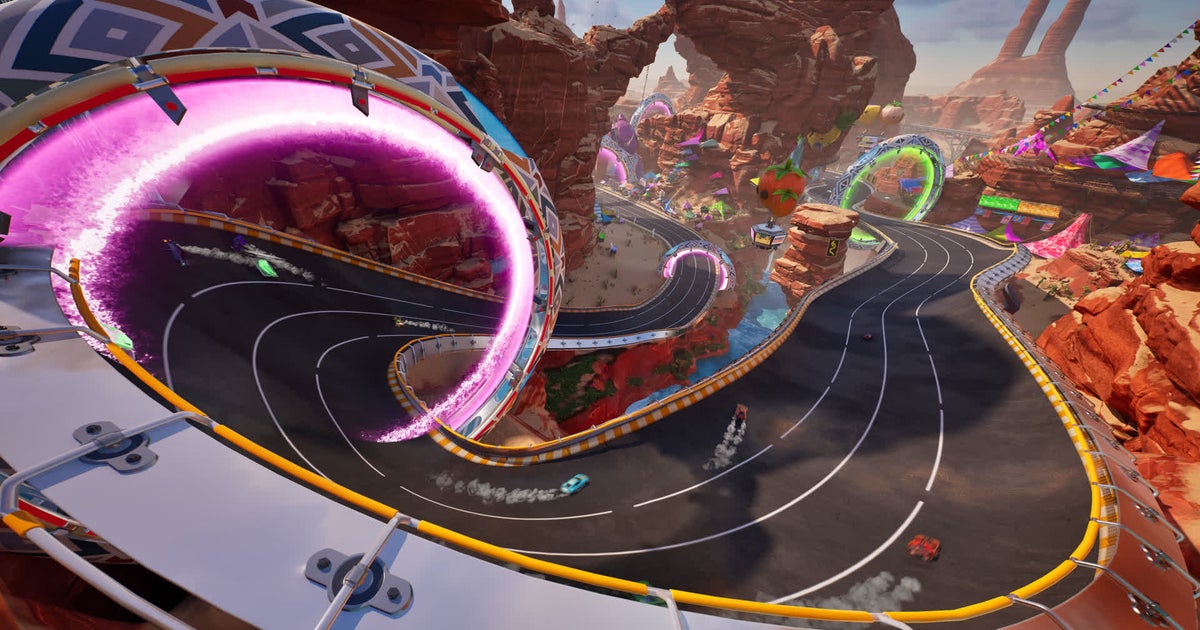
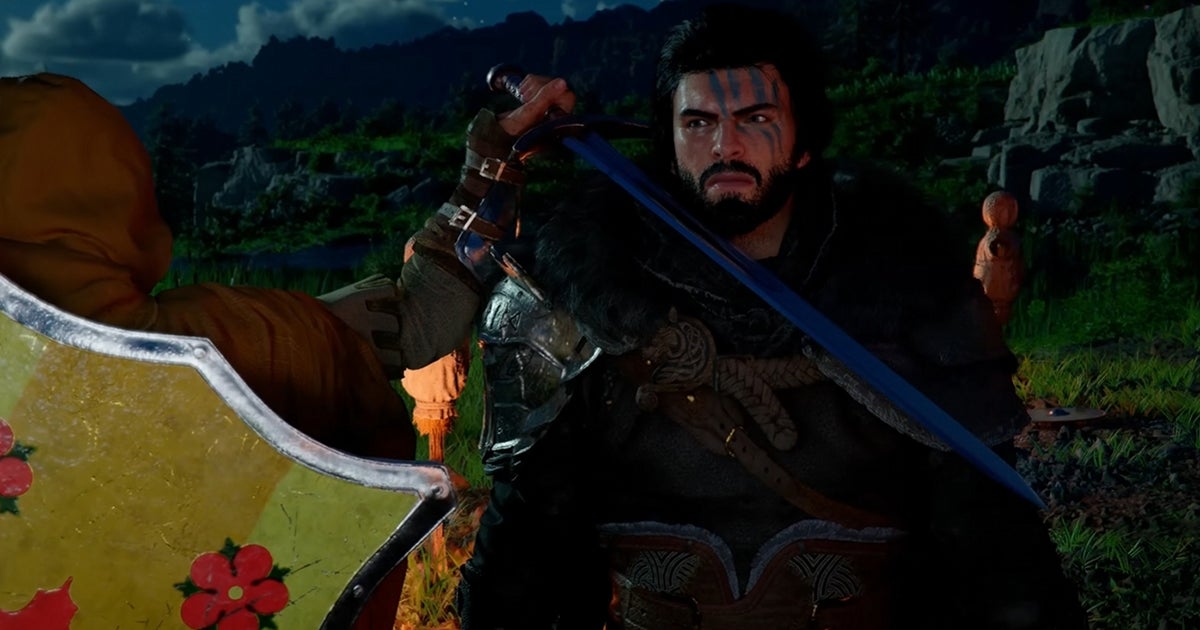
Luke Ross, known for bringing flat-screen blockbusters like Cyberpunk 2077 into virtual reality through his R.E.A.L. VR mod series, has removed access to his mods on Patreon following another DMCA notice—this time reportedly from Ghostrunner publisher 505 Games. It follows a previous dispute with CD Projekt Red over Cyberpunk 2077 fan work guidelines. With his Patreon at risk due to repeated claims, Ross has pulled posts and downloads for dozens of conversions, raising fresh questions about the uneasy relationship between modding, VR, and copyright enforcement.
If you’ve spent any time inside a PC headset over the last few years, you’ve likely benefited from Luke Ross’s work. His R.E.A.L. VR mods injected head-tracked stereoscopic 3D into high-profile games that were never designed for VR. From Elden Ring and Cyberpunk 2077 to Days Gone and others, his conversions offered a whole new way to experience modern titles. The recent wave of legal friction highlights how fragile that access can be when it depends on third-party permission.
What happened and why it matters
- A new DMCA notice, reportedly initiated by 505 Games over Ghostrunner, triggered a fresh round of takedowns.
- This follows an earlier complaint from CD Projekt Red regarding how Ross distributed his Cyberpunk 2077 VR mod relative to the studio’s fan content rules.
- With multiple strikes accumulating, Ross has removed access to all his VR mod downloads and related Patreon posts to mitigate further risk.
For supporters, that means the Patreon is effectively a tip jar for now. No active links to the mods, no historical builds, no archive of progress posts—just a “support only” stance. For the broader VR community, it’s a reminder that access to marquee VR conversions can evaporate overnight when copyright and monetization collide.
The DMCA and the gray zone of modding Modding has always walked a line between community creativity and intellectual property ownership. The DMCA framework gives rights holders a straightforward mechanism to demand the removal of content they believe infringes on their rights. For modders, especially those accepting donations or subscriptions tied to their work, the risk profile rises. It’s not just about whether a modder distributes copyrighted assets; it’s also about whether a rights holder views the project as derivative or commercially adjacent in a way that violates their policies.
Ross’s situation sits in that gray zone. He built tools and patches to enable VR rendering and head tracking within existing PC games. Players still needed to own those games. Nonetheless, when distribution happens through a paid platform like Patreon and when a rights holder’s guidelines are strict, the room for interpretation narrows.
Why this stings for VR players
- Loss of compatibility: R.E.A.L. VR mods tended to keep pace with game updates, GPU changes, and driver quirks. When they disappear, everything from new playthroughs to troubleshooting becomes harder.
- Fewer big-name VR experiences: Many gamers leaned on these conversions to enjoy lavish AAA worlds that haven’t embraced native VR.
- Uncertain preservation: Without official files and documentation, community efforts to maintain functionality become fragmented and unreliable.
There’s also the human factor. Ross previously expressed that pirates were distributing his work outside Patreon, which only deepened the tension between creators trying to sustain development and players who balk at paywalls or restricted access. Combine that with DMCA pressure, and creators face a lose-lose: open distribution invites unofficial mirrors, while controlled distribution invites legal scrutiny.
What could happen next
- Official VR remains rare: Most major studios still treat VR as a niche. Without official modes, communities depend on modders to bridge the gap.
- Rights-holder-by-rights-holder rules: Each publisher sets different policies for fan works and paid distribution. Expect more uneven outcomes where certain games are “safe” to mod while others remain off-limits.
- Community forks and alternatives: When a high-profile project vanishes, enthusiasts sometimes rally to create alternatives. But these efforts are also subject to takedowns and might lack the polish of the original.
- Platform caution: Patreons, Git repos, and mod hubs are increasingly sensitive to DMCA requests. Projects that skirt guidelines may be hosted quietly or fragmented across multiple places—less convenient and more fragile.
For creators: best practices in the current climate
- Know each publisher’s stance on fan content, commercial involvement, and mod distribution before releasing.
- Avoid bundling copyrighted assets and keep installation steps dependent on an owned game license.
- Communicate clearly with supporters about what they’re funding: ongoing research, tooling, and time—not ownership of copyrighted material.
- Plan for resilience: maintain off-platform backups, clear documentation, and contingency communication channels.
For players: how to support VR modding responsibly
- Buy the original games. The more data studios see that VR-capable players purchase and replay their titles, the better.
- Respect creators’ boundaries and timelines, especially during legal turbulence.
- Be cautious of mirrors and unauthorized builds. Beyond ethics, they’re often out of date and may introduce security risks.
- Advocate constructively. Let publishers know there’s demand for official VR support or mod-friendly policies.
What this means for the future of VR modding The loss of dependable access to R.E.A.L. VR conversions is a blow, but it’s not the end for VR modding. Technical innovation continues: injection-based stereo rendering, eye-tracked foveation, motion reprojection improvements, and modern OpenXR toolchains are all evolving. Another generation of modders is learning from these conflicts and building with policy in mind. The big question is whether publishers will adopt clearer, more mod-friendly guidelines that acknowledge how much goodwill and extra playtime modded VR brings to their games.
In the long run, a healthier ecosystem would include:
- Publisher-sanctioned modding frameworks with explicit rules for VR injection.
- Optional paid sponsorships where rights holders endorse or audit mods rather than DMCA them.
- Official VR toggles in more PC releases, even if basic, to reduce the need for deep injection.
Final thoughts Luke Ross’s takedown is a reminder that the VR mod scene, as thrilling as it is, lives at the mercy of policies and platforms. It’s also proof of demand: players clearly want to step inside the worlds they love, not just look at them on a monitor. Whether through official modes, sanctioned modding, or carefully structured community projects, there’s a path forward. But it will take candid guidelines from publishers, responsible distribution from creators, and support from players who understand the tightrope everyone is walking.