Summary: Hollywood has finally figured out a lot about adapting games, but survival-horror classics like Silent Hill and Resident Evil keep stumbling because studios translate images, not interactivity. This piece breaks down how agency, pacing, and perspective get lost on the big screen—and what filmmakers can do to capture the dread, guilt, and decision-making that define these games.
If you’ve ever trudged through a fog-choked street or crept down a hallway with only three bullets and a prayer, you know the terror in survival-horror isn’t just what you see—it’s what you do. That difference is where so many film adaptations lose the plot. They recreate the monsters, the settings, the iconic shots, but miss the engine that makes these worlds run: player agency. Games like Silent Hill and Resident Evil force you to act, to choose, to ration, to push a button you’d rather not push. Movies, meanwhile, too often put characters on rails, sanding down the uncomfortable choices into passive spectacle.
It’s not that horror can’t work in film; it obviously does. It’s that survival-horror is a very specific beast. In games, dread is participatory. You decide to open the door you shouldn’t, you decide to climb the stairwell you dread, you decide to turn your last healing item into a desperate gamble. When a film adaptation sidesteps that sense of complicity, it tends to replace it with lore dumps, callbacks, and pretty production design. You recognize the place, but you don’t feel the place.
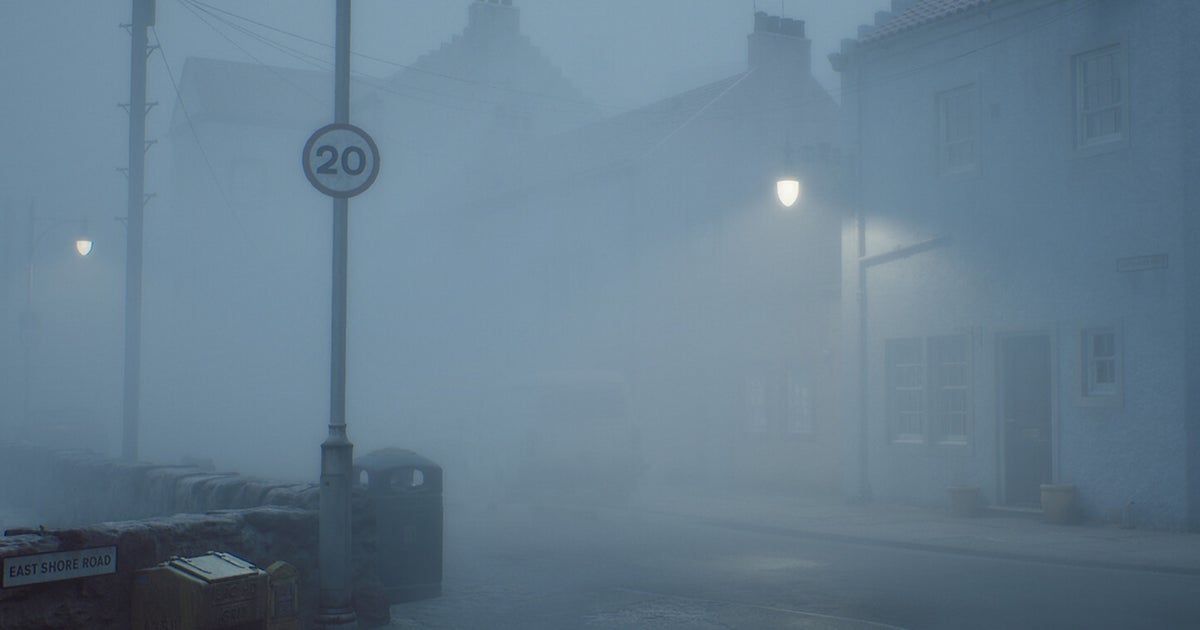
Consider Silent Hill. The best entries trap you inside a character’s head as much as inside a cursed town. Guilt, denial, and self-loathing are not just backstory—they’re the control scheme. The town’s geography, puzzles, and creatures are extensions of personal psychology. On screen, though, we frequently get a tour of greatest hits: fog, sirens, peeling walls, a hallway drenched in rust, and an imposing figure with a very large blade. It looks right but plays wrong, because the protagonist is rarely tasked with choosing the lesser of two evils. They witness horror instead of authoring it.
Resident Evil has the opposite problem: the series’ film versions often sprint toward action. The games balance scarcity, maze-like level design, and methodical puzzling with bursts of panic. In cinema, that tightrope can wobble into hyper-competence. Heroes blast their way through scenarios that, in the games, force you to plan your route, unlock shortcuts, and sweat your inventory. When characters can always kick a wall down or unload an endless magazine, the core tension—what do I do with my last green herb?—evaporates.
There’s also the issue of compression versus inflation. Silent Hill 2 packs dense emotional terrain into hours of play. Condensing that into a sub-two-hour movie often turns meaningful choices into cameos: a character appears to deliver a theme, a monster arrives to deliver a jolt, then both vanish before the moment can settle. Flip the coin, and you get the inflation problem—simpler titles stretched with busy subplots and tidy psychological explanations that over-talk what should be under your skin. Either way, the film ends up focused on “what happens” instead of “what it feels like to make it happen.”
So how do you fix it without turning a movie into a let’s play? You can’t hand the audience a controller, but you can borrow film language that simulates responsibility.
- Point-of-view as pressure: Linger with a character’s hesitations. Use blocking that makes us complicit in crossing thresholds—tight frames that force us forward, limited lines of sight that beg for a peek we’ll regret.
- Pacing as resource management: Construct scenes where time itself is a dwindling resource. Let a phone’s battery die mid-call. Make the only exit noisy, forcing a trade-off between speed and stealth.
- Sound as decision-making: Use directional audio and silence with purpose. A distant pipe clank should feel like a choice: chase the sound for a clue or stay put and risk missing it.
- Geography as psychology: Let spaces deform with emotion. A room shouldn’t just look creepy; it should echo a character’s inner conflict in layout and navigation. Doors that you “should” open, but can’t bring yourself to. Shortcuts that appear only after a moment of acceptance or confession.
- Consequences, not answers: Resist easy absolution. Survival-horror thrives on ambiguity and uncomfortable moral math. When films tidy away guilt or reduce horror to external forces alone, they break the spell.
For Silent Hill specifically, the relationships matter as much as the monsters. Each encounter should feel like a mirror, not a side quest. Conversations need to be staged like boss fights—emotionally risky, hard to win, and capable of changing the map afterward. If you’re going to bring in iconic figures, don’t just pose them; make them catalysts that force the protagonist into a choice that hurts. The “why” behind every creature and corridor should push the character toward a decision the audience will debate all the way home.
Resident Evil, meanwhile, benefits from treating layout as screenplay. Picture the police station, mansion, or city block as the true co-star. Write the script around routes, locks, and limited supplies, and you automatically create stakes. Let action scenes earn their catharsis by growing out of puzzle-solving and risk management, not just because it’s time for another explosion. When a hero pulls off a perfect headshot, it should feel like relief after ten minutes of sweaty sneaking and a desperate decision to leave the shotgun shells behind to carry a key.
A few practical rules of thumb for filmmakers adapting survival-horror:
- Treat recognition as seasoning, not the meal. A familiar corridor means nothing without a fresh dilemma at the end of it.
- Make protagonists choose early and often. Hide-and-seek, fight-or-flight, save-or-spend—bake these choices into the scene grammar.
- Visualize status effects. Exhaustion, pain, panic—use camera movement, breath, and framing to show a character “limping” through the story.
- Keep timelines and maps legible. If audiences understand where they are and what they’re risking to get where they’re going, tension skyrockets.
- Let silence be dangerous. Don’t fill every gap with score or exposition. Awkward quiet is horror’s oxygen.
The irony is that filmmakers don’t need perfect fidelity to make great adaptations. In fact, slavish recreation can be a trap. What they need is mechanical fidelity—fidelity to feel. Silent Hill’s essence isn’t a specific monster or corridor; it’s complicity in a spiral of guilt and revelation. Resident Evil’s essence isn’t any one villain; it’s the clack of a locked door, the relief of a safe room, and the panic math of, “Do I have enough to make it back?”
Get those mechanics right and you can change plots, remix characters, and even invent new scenarios. Players won’t cry foul if they recognize the heartbeat of the experience beating inside your film. They will, however, tune out when they’re handed a museum of references where the only thing at stake is whether the lighting matches a screenshot.
We’re in a better era for game adaptations overall, and the path forward for survival-horror is clear: stop translating nouns and start translating verbs. Less “Here’s Pyramid Head” and more “Here’s a choice you’ll hate.” Less “Remember this room?” and more “Do you dare cross it twice?” The most faithful adaptation isn’t the one that looks like the game. It’s the one that makes you feel responsible for surviving it.