Lego Batman: Legacy of the Dark Knight Hits Pre-Launch Snags With Denuvo, Early Xbox Access
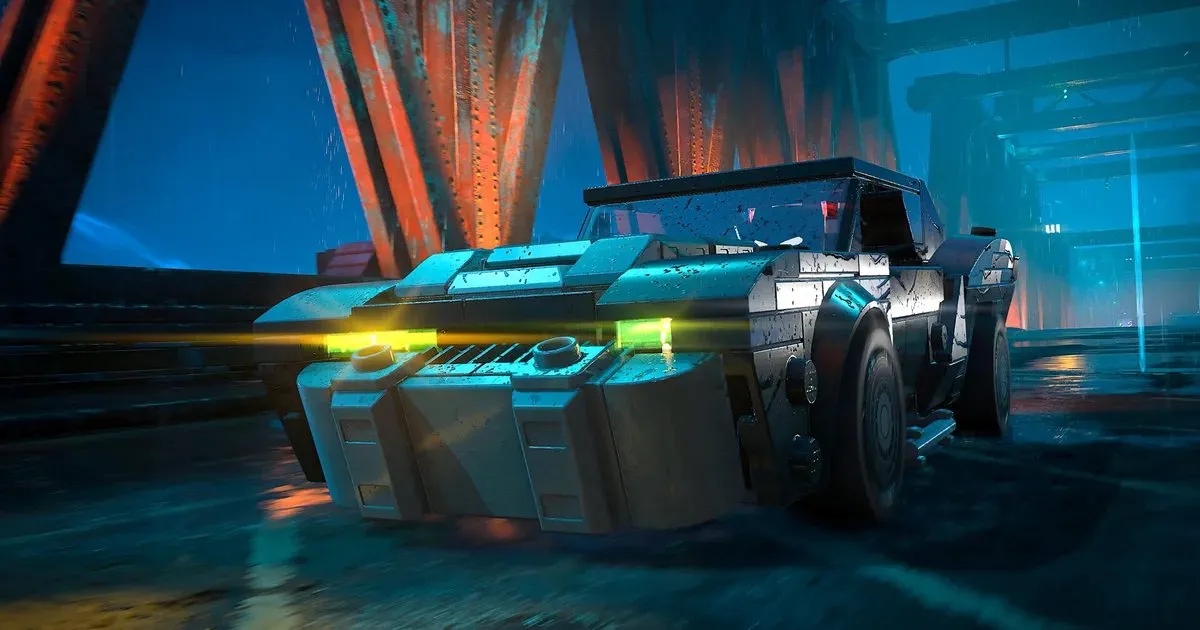
Lego Batman: Legacy of the Dark Knight is shaping up to be one of the more talked-about releases in the Lego game space, but its road to launch has already hit a few speed bumps. Between reports of early access on Xbox Series X/S through pre-order codes and the quiet addition of Denuvo DRM to the PC version, Warner Bros. Games suddenly has players discussing launch issues just as much as the game itself. Even so, excitement around TT Games’ new Gotham adventure remains high, especially for fans hoping for a lighter, brick-built take on the kind of Batman action they have been missing for years.
For a game that seemed set up for a smooth hype cycle, this is a pretty chaotic way to head toward release. The biggest surprise came from Xbox players, with reports spreading that some Walmart pre-order codes for the Xbox Series X/S version had gone live ahead of schedule. Instead of just preparing for launch day, a number of players apparently found themselves able to download and start playing the full game early.
That kind of accidental early access always creates a weird ripple effect in the community. On one hand, players lucky enough to get in early are understandably excited. It is hard not to be when you suddenly get to roam a new Lego Gotham before everyone else. On the other hand, it throws the launch conversation off balance almost instantly. Instead of talking about previews, features, and anticipation, everyone starts asking the same questions: who got in, how long did they get to play, and is it still possible?
From what has been reported, the issue did not remain open for long. An update appears to have been pushed out that removed access for many of those users. Still, some players reportedly found a workaround simply by disconnecting their consoles from the internet, letting them hold onto that accidental head start. That little detail makes the situation even stranger and gives the whole story the kind of oddly specific twist that gaming communities love to dissect.
It also seems that the early unlock was limited to the Standard edition, which only adds to the confusion. Usually, when launch timing gets messy, players expect premium editions or deluxe bundles to be involved. Seeing the Standard version tied to the mishap makes this one feel less like a planned staggered rollout gone wrong and more like a backend slip-up that no one caught in time.
Then there is the PC side of the story, which brings a completely different kind of concern. Players discovered that Denuvo DRM had been added to the Steam version of the game, and the response was about as divided as you would expect. Few things spark instant debate in PC gaming circles quite like Denuvo. For some players, it is just an anti-tamper tool and nothing more. For others, it is a giant red flag that immediately raises questions about performance, system overhead, and long-term preservation.
The controversy around Denuvo never really disappears because the conversation is rarely simple. Some games launch with it and seem perfectly fine. Others end up becoming examples that players point to whenever performance issues show up. That inconsistency is exactly why its appearance causes concern almost every time. Even if there is no guaranteed problem, the mere possibility is enough to make PC players nervous, especially in the days leading up to launch when confidence matters most.
What makes this feel more frustrating for some fans is the quiet way it appeared. Players generally do not love surprise DRM disclosures, and when that information surfaces late, it can create the sense that something important was slipped in under the radar. Whether it actually affects the experience or not, it changes the tone of the conversation around the release.
And that is a shame, because the game itself still sounds genuinely exciting. TT Games appears to be aiming for more than just another standard Lego adaptation. The pitch that has fans interested is the idea of a family-friendly Batman adventure with some of the mood, style, and character appeal that players have been craving from Gotham-based games for a long time. If it can capture even a bit of that dramatic Dark Knight energy while keeping the playful humor and co-op charm the Lego series is known for, it could land in a very sweet spot.
There is also something especially appealing about Batman in Lego form when the developers really lean into the universe. Gotham is one of those settings that thrives on contrast. It can be grim, theatrical, absurd, and heartfelt all at once. That range fits surprisingly well with Lego’s style, where slapstick comedy and sincere superhero storytelling can sit side by side without feeling out of place. Add in deep-cut references, franchise nods, and a few self-aware jokes, and you have the ingredients for a game that could feel like both a celebration and a parody in the best way.
That is why these pre-launch issues stand out so much. The audience clearly wants this game to be good. Fans are not circling because they expect disaster. They are circling because the project sounds promising, and these last-minute stumbles risk distracting from what might otherwise be a very strong release.
At this point, Warner Bros. Games and TT Games probably just need the actual launch to go smoothly. If the final Xbox rollout is clean, if the PC version performs well, and if the game delivers on its Batman-meets-Lego potential, most of this drama will likely fade fast. Players tend to forgive messy launch-week stories when the game itself is fun.
For now, though, Lego Batman: Legacy of the Dark Knight has become one of those releases where the pre-game chatter is almost as eventful as the adventure waiting inside Gotham. Between accidental Xbox access and fresh DRM worries, it has already had a more dramatic opening act than many games get after release. The good news for Batman fans is that the core excitement still seems intact. If TT Games sticks the landing, these snags may end up being remembered as a strange footnote before a very entertaining trip into the Lego shadows.