KAZ Review: Tight, Addictive 4-Button Grid Roguelike (Steam Demo)
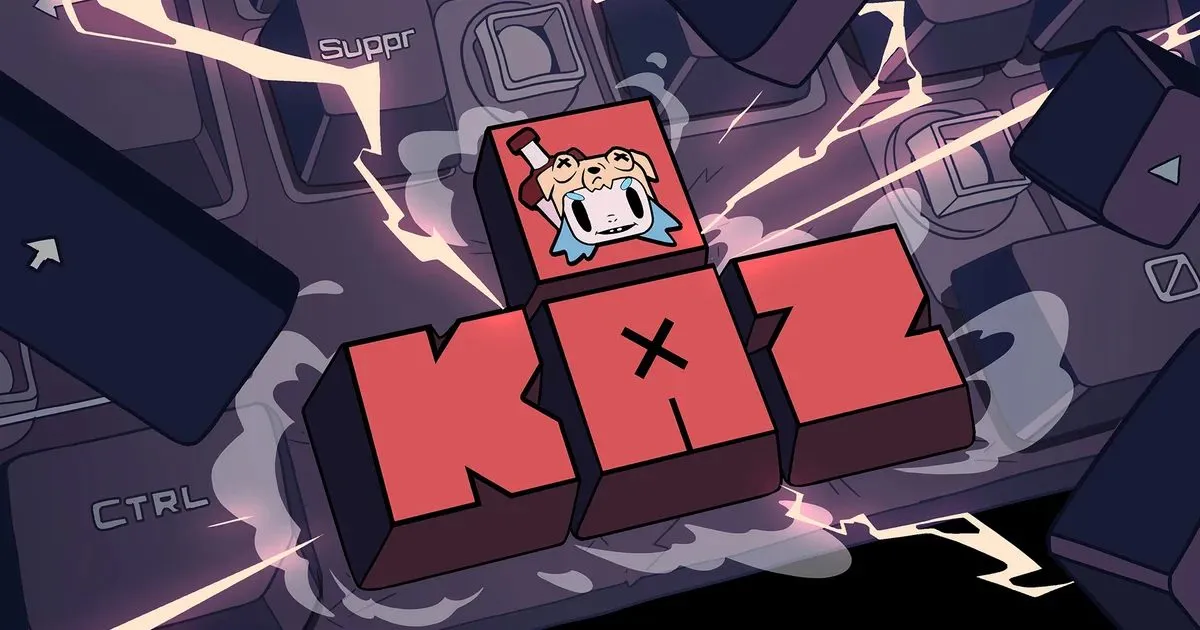
KAZ is a razor-focused, four-button, grid-based roguelike that blends arcade reflexes with smart, synergetic upgrades. The demo nails that one-more-run itch with brisk rounds, a points threshold that pushes you forward, and a toybox of abilities that can spiral into delicious chaos. If you love compact controls, tight feedback, and the thrill of squeezing every last point out of a board, this one’s dangerously moreish.
The pitch KAZ keeps things minimal in the best way. You move on a small grid using only the arrow keys or WASD, batting away enemies as they pop in to hit score targets before the round timer runs dry. Clear a round and you choose an ability, then do it again on a slightly meaner board. Fail to reach the quota and it is back to the start. The loop is quick, readable, and instantly legible: you always know what you need, and you always feel like you could have made it if you had played just a hair faster or smarter.
Why four buttons feel fantastic
- Pure input clarity: Up, down, left, right. No combos to memorize, no hotbars to juggle. Your brain is free to think about route planning, not finger twister.
- Frictionless rhythm: Each press has purpose. Snapping around the grid to snipe a target creates a satisfying click of intention-meets-outcome.
- Surprising depth: With only movement to manage, the design wrings out tension via timing, spawn patterns, and the upgrades you choose. It is simple without being simplistic.
How a run unfolds
- Early boards are tiny, just a handful of tiles, and enemies spawn like whack-a-mole targets. The objective is to nail enough before the clock hits zero.
- Hit the quota to move on, miss it and the run ends. The tempo escalates naturally: more enemies, trickier arrangements, higher targets.
- After each round, you draft an ability. Pick well and you will sculpt a build that suits your tempo and risk tolerance.
Abilities and the joy of synergy KAZ’s power-ups are where the roguelike spice kicks in. On paper, they are straightforward; in practice, they stack into wild little engines.
- Time tweaks: The most basic upgrade simply adds a few precious seconds. On tough rounds, that cushion is priceless.
- Line clears and zaps: Laser beams and lightning bolts help pick off distant targets without spending extra moves getting there, letting you maintain tempo.
- Negate: The standout trick. It flips the board’s logic by inverting empty and occupied tiles after a specific input sequence. Used at the right time, it can flood the grid with targets or clear it for safe repositioning. It is a clever power that rewards planning and pattern recognition.
- Sandevista: A cheeky nod to a famous cyber-speed fantasy, this ability lets you mash at the start of a round to instantly shred anything that appears for a brief burst. Pair it with Negate and you can prime the board, then unleash a flurry that erases half your problems and skyrockets your score.
- Star chasers: Bonuses that spawn point-giving stars, and others that auto-trigger Sandevista when grabbing one, create a delicious feedback loop. Stars fuel speed, speed fuels stars, and suddenly your score graph looks like a launch trajectory.
What is great here is how the upgrades remain readable and low-friction. You do not pause every second to parse tooltips; you feel how they work within a round or two and start cooking up little routes in your head.
Pace, pressure, and a stress-free twist The default mode is brisk and borderline sweaty, the sort of game that tempts you into quick restarts as your fingers memorize mini-routes. To balance that out, the demo also includes a stress-free option where time only advances when you move. It turns KAZ into a turn-based puzzler without changing a single control, encouraging you to experiment with ability timing and board states. If the rush is the heart, this mode is the brain, and together they sell the flexibility of the core design.
Feel, feedback, and the bite of mastery
- Crunchy cadence: Even without a huge move set, the inputs have weight. Moving with intent and landing rapid sequences feels punchy.
- Learnable patterns: Enemies telegraph enough that you can start predicting safe pivots and ideal snipe angles. Mastery is not about luck; it is about reading the dance.
- Fair failure: Missing a quota almost always feels earned. You will replay the moment in your head and think, if I had saved Negate for two beats later, if I had hugged the wall, if I had taken the time boost instead of the zap. That is great roguelike energy.
Ergonomics and flow The four-button setup invites ultra-quick inputs. That is a gift and a curse. It is easy to slip into a trance and hammer out dozens of short runs, especially once Sandevista mashing gets in your blood. Consider alternating between WASD and arrows between sessions or taking quick breaks; this is a snackable arcade gem that can become a full meal without you noticing.
Tips to get your score rolling
- Draft for time first, then power: A couple of early seconds can snowball harder than a flashy attack when quotas rise.
- Save Negate for density: Use it when you can flip a sparse board into a target-rich field, not just to panic-clear space.
- Chain Sandevista with stars: Route your first moves to a star if you have the synergy; that kickstart can tilt a whole round.
- Move with purpose: Over-travel kills runs. If you can line up two or three hits with minimal pathing, do it.
- Practice in stress-free mode: It is perfect for learning spawn rhythms and testing when to fire off big abilities.
Minor gripes
- Visual and input clarity is great, but once the action pops off, it can be easy to over-commit a sequence. A subtle buffer indicator or optional input limiter might help newcomers.
- Build variance is strong; still, a few more offbeat utility upgrades could push creative routes even further in later versions.
The verdict KAZ trims the roguelike-action formula to four buttons and a handful of tiles, then proves how far tight design can go. Every round is a micro-puzzle under pressure, every upgrade draft a nudge toward a new rhythm, and every synergy a chance to break your own ceiling. Between the kinetic default tempo and the thoughtful stress-free mode, the demo already feels like a complete snack that keeps refilling the bowl. If your happy place is that intersection of arcade speed and roguelike cleverness, KAZ is an easy recommendation and a dangerous timesink in the best possible way.