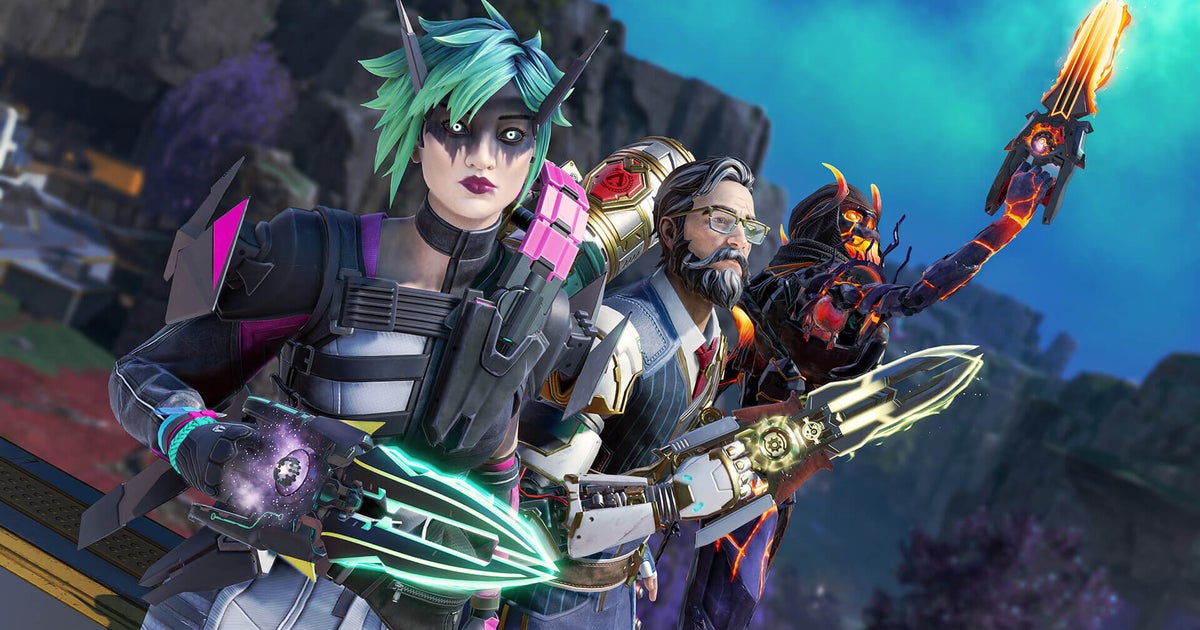
Multiple current and former Gunzilla Games staff have publicly alleged months-long salary delays, missed contractor payments, and payroll inconsistencies across regions, while others say some issues have been partially resolved. The claims touch teams in Ukraine, the UK, Germany, and North America, raising questions about how the studio behind the Web3-infused battle royale Off The Grid—and the owner of Game Informer—has been handling payroll, benefits, and final settlements. These are allegations from individuals and industry chatter; the full picture remains in flux.
What’s happening and why it matters
- The core allegation: staff and contractors say they have experienced significant delays in pay, in some cases spanning several months. Some report backpay hitting accounts sporadically; others claim they are still waiting.
- Geography matters: accounts suggest a patchwork impact across regions. Reports describe unpaid stretches among Ukrainian staff and international contractors, while UK and German employees generally continued to receive salaries but allegedly faced late payments and, at times, inconsistent benefit contributions.
- Contractors feeling the squeeze: multiple contractors say final payouts lagged, with some claiming money arrived only after formal complaints or legal pressure.
- Culture shock inside the studio: staff describe a disconnect between internal “business as usual” messaging and the lived reality of payroll delays, even turning frustration into in-jokes like custom emojis on internal channels.
- Platform friction: some public posts discussing the delays were reportedly flagged by social platforms, making it harder to track the developing situation in real time.
Again, these are claims by individuals and industry observers. The situation is evolving, and not all details can be independently verified at the time of writing.
A quick refresher on Gunzilla
- Founded in 2020, Gunzilla positioned itself as a multinational studio headquartered across Frankfurt, Kyiv, Los Angeles, and London, backed by venture funding.
- Off The Grid, a third-person battle royale with promised Web3 hooks—specifically “optional” NFT-style item trading—was announced in 2022 and entered Early Access in late 2024 after a previously planned 2023 launch window.
- In 2025, the company acquired Game Informer, rehiring the outlet’s editorial team. That move surprised many in the industry and signaled Gunzilla’s broader media ambitions.
The alleged payroll timeline, in broad strokes
- Mid-to-late 2025: Staff and contractors begin publicly noting late or missing payments. Some allege months-long gaps without salary, particularly in Ukraine and among international contractors.
- UK and Germany: While many employees in these regions continued to be paid, accounts describe periodic lateness and concerns around benefit contributions, especially pensions in the UK. Some say backpay appeared in bursts; others claim contributions stopped again after brief fixes.
- Early 2026: Reports of arrears persist for some, even as individual employees say their specific cases were resolved.
Why gamers should care
- Off The Grid’s trajectory: Payroll instability often reverberates through production schedules. For a live or evolving title like Off The Grid, that could mean inconsistent updates, slower patch cadence, or shifts in roadmap priorities. Even if core servers remain up, teams operating under financial uncertainty can struggle to execute long-term plans.
- Impact on community trust: Battle royales live and die by cadence and trust. If communication slows and update quality dips, players feel it immediately. A studio needs both runway and morale to keep a competitive live title healthy.
- Media ownership optics: With Game Informer under the same corporate umbrella, readers may reasonably wonder how financial turbulence at a parent organization could affect a news outlet’s stability. Editorial teams typically fight hard to maintain independence, but company-level turbulence can still cast a long shadow over staffing, budgets, and operations.
A note on Web3 and payroll complexity Studios experimenting with Web3 or cross-border tokenization often operate with nontraditional revenue models and investor structures. None of that inherently causes payroll issues, but it can introduce volatility. Add multi-country hiring, different benefits regimes, and reliance on third-party payroll providers, and you get a recipe where even small cash-flow or compliance missteps can ripple quickly. When pay cycles slip once, rebuilding confidence takes more than a single on-time deposit—it requires clear, consistent communication and provable remediation.
What to watch next
- Concrete remediation plans: Does leadership share a clear, dated schedule for backpay, regional benefits reconciliation, and contractor settlements? Transparency here is key.
- Stability signals for Off The Grid: Look for consistent patch notes, predictable events, and honest roadmaps. If update tempo steadies and content arrives on schedule, that’s a good sign.
- Organizational changes: Rebrands, leadership reshuffles, or legal filings can hint at broader restructuring. While not always negative, sudden changes without transparent context can spook both staff and players.
- Media arm continuity: Watch for any staffing or publication cadence changes at Game Informer. Consistency suggests insulation from studio turbulence; disruptions suggest otherwise.
- Regional parity: Do employees and contractors in different countries report similar outcomes—or does a patchwork persist? True fixes usually land across the board.
For affected workers and contractors This is not legal advice, but broadly useful steps in situations like these include:
- Document everything: contracts, invoices, pay stubs, written assurances, and timestamps. Keep off-platform backups.
- Understand local protections: labor laws vary widely. In some regions, even short delays can trigger statutory penalties or create leverage for formal grievances.
- Communicate in writing: if management promises a payment timeline, ask for it in writing and with specific dates.
- Coordinate smartly: private group chats among affected colleagues can help align information without risking platform moderation flags.
- Consider staged escalation: begin with formal internal notices, then explore labor authorities, arbitration, or legal counsel if needed.
For players and fans of Off The Grid
- Manage expectations: live service games are complex even in the best of times. If updates slow, it may reflect staffing stress rather than design ambition.
- Protect your wallet: keep receipts for purchases and consider sticking to smaller spends until the cadence normalizes. If the game stabilizes, you can always scale up support later.
- Signal positively, but push for clarity: it’s fair to ask for timelines and transparency without piling on individuals who likely lack power to fix payroll themselves.
Lessons for studios and teams
- Payroll hygiene is production hygiene: missed pay undermines velocity, focus, and retention. Teams under financial strain ship slower and riskier.
- Regional uniformity matters: if some countries are reliably paid and others aren’t, resentment and attrition compound. A single global standard with contingencies for local compliance is essential.
- Own the narrative early: if turbulence hits, clear comms, realistic dates, and demonstrable follow-through beat silence every time.
The bottom line Allegations of prolonged payroll issues at Gunzilla have sparked serious concern among staff, contractors, and the broader gaming community. The stakes are high: a still-growing Web3-leaning battle royale needs steady hands, stable teams, and player trust to thrive. If the studio can make affected workers whole, restore predictable cycles, and communicate openly, this chapter can become a solvable operational crisis rather than a defining moment. Until then, caution and clarity should guide how employees, contractors, and players engage with the brand—and how they interpret every patch note, roadmap update, and company announcement that follows.