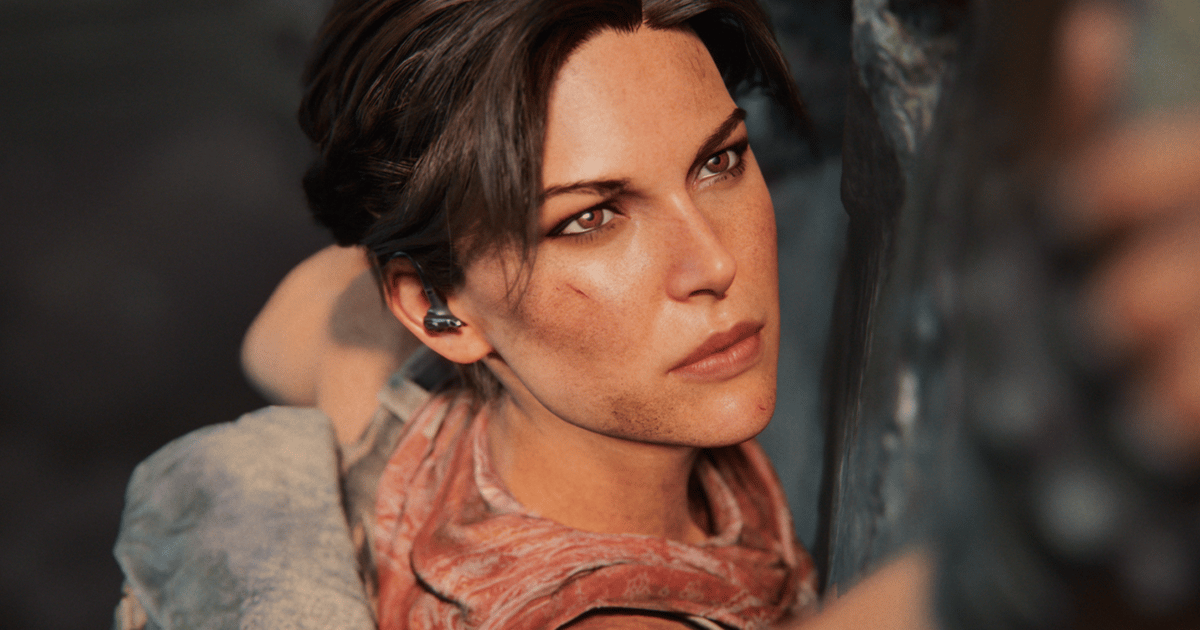
Aspyr’s latest free update for Tomb Raider 1-3 Remastered landed with a new Challenge Mode and unlockable outfits, but the cosmetics drew quick fire from fans who said they looked AI-generated. Aspyr has publicly denied using AI and says the outfits were made by its in-house artists, with a priority patch now in the works to fix texture issues and resolve post-update bugs. The community is split, skepticism remains loud, and even former Saber Interactive developers have clarified they weren’t involved in the new content. Here’s the full picture, what to expect next, and practical advice for players in the meantime.
What set this off
- The update added a Challenge Mode and a set of outfits you can unlock by clearing specific objectives.
- Some of the cosmetics showed visual oddities: clipping accessories, skewed sunglasses, and details that looked painted on or misaligned.
- That rough first impression sparked a wave of posts claiming the designs were AI-assisted, a hot-button topic for players who value clear artistic authorship in remasters of beloved classics.
What Aspyr says
- The studio addressed the chatter directly and said the outfits were made by its art team, not generated by AI.
- Aspyr says a patch is top priority to:
- Improve textures and polish the new outfit assets.
- Address technical problems that appeared for some players after the update, including missing save files and audio glitches.
Why the AI debate caught fire
- AI skepticism isn’t new. Players have become adept at spotting telltale signs like warped accessories, inconsistent materials, or “sticker-like” textures.
- When those artifacts show up, even if the cause is rushed implementation or mismatched UVs, the community often suspects generative tools first.
- In a remaster where nostalgia and fidelity matter, cosmetics that feel off-model stand out even more.
Saber’s role, or lack thereof
- Former members of the Saber Interactive team, who worked on earlier stages of the remaster effort, clarified they had no involvement with this specific Challenge Mode update or its outfits.
- That clarification doesn’t settle the AI question by itself, but it does help players understand who to hold accountable for fixes: Aspyr.
The real issues underneath the outrage
- Cosmetic fidelity: Small errors balloon when fans freeze-frame and share close-ups. Accessories clipping through hair or bodies, reflective surfaces that don’t match lighting, and flat decals are all things that pull you out of the fantasy.
- Technical regressions: Reports of lost saves and odd music behavior sour goodwill fast. Even if those bugs only affect a slice of the player base, they become the headline.
- Communication gaps: When controversy flares, timelines and transparency matter. Without concrete milestones, “we’re working on it” can sound like a stall, stoking further doubt.
What Aspyr can do to restore confidence
- Publish specific patch notes: Detail which outfits and which issues are being addressed, from texture seams to accessory alignment and material work.
- Share before-and-afters: Side-by-side images or short clips can turn a vague promise into evidence of progress.
- Credit the artists: Acknowledging the individual contributors (with their permission) can help counter the idea that no real people were behind the work.
- Set expectations: If some fixes need longer (like rebuilding meshes) while others are quick (like tweaking texture maps), say so.
What players can do right now
- Back up your saves: Until the patch arrives, make manual backups if your platform allows it, especially before tackling the new challenges.
- Report with detail: If you hit bugs, include platform, level, outfit, and steps to reproduce. The more specific the report, the faster a fix can be verified.
- Keep context in mind: Visual quirks can come from hurried pipelines, engine limitations, or integration hiccups. AI isn’t the only explanation, even if it’s often the loudest theory.
- Pace your expectations: Hotfixes may land quickly for critical issues, while broader polish passes on outfits might arrive in waves.
The bigger conversation: AI, art, and trust
- Player trust hinges on clarity. Studios that get ahead of the narrative—explaining pipelines, tools, and review steps—build resilience against rumor cycles.
- Conversely, if communication is thin, the community fills in the blanks, usually with the most cynical reading possible.
- Regardless of whether AI is involved, remasters inherit high bars: they’re judged not only against modern standards but also against rose-tinted memory.
What success looks like from here
- Stabilize saves and audio: Nothing heals a controversy faster than protecting player progress and restoring core functionality.
- Polish passes on cosmetics: Tighten UVs, correct clipping, improve material response to lighting, and ensure accessories sit naturally with animations.
- Rebuild any outlier assets: If an outfit needs more than a touch-up, say so and take the time to get it right.
- Close the loop with the community: Return with clear patch notes and a “what we learned” postmortem. It’s not just about fixes—it’s about showing a process players can trust.
Our take
- The Challenge Mode itself seems like a solid addition, and optional outfits should be a win. But when presentation slips, cosmetics can overshadow everything else because they’re the most visible part of the update.
- Aspyr’s denial of AI use is clear. The studio’s credibility now rests on two things: shipping the patch quickly and showing tangible improvements. Bring the receipts and most players will move on.
- For fans, the best outcome is straightforward: stable saves, clean audio, and outfits that look and feel like they belong in Lara’s world.
What to watch next
- Patch timing: Does Aspyr deliver a hotfix for saves/audio quickly, followed by a larger cosmetic pass?
- Notes depth: Do the patch notes call out specific outfits and issues?
- Community temperature: If the fixes are noticeable, sentiment should swing back toward the Challenge Mode itself and away from production drama.
Bottom line Aspyr’s on the hook to prove its pipeline with action, not just statements. If the studio locks down the technical regressions and gives the outfits the polish pass they need, this flare-up can become a footnote rather than a defining chapter for Tomb Raider 1-3 Remastered. Until then, back up your saves, keep feedback focused, and wait for patch notes that show the work.